
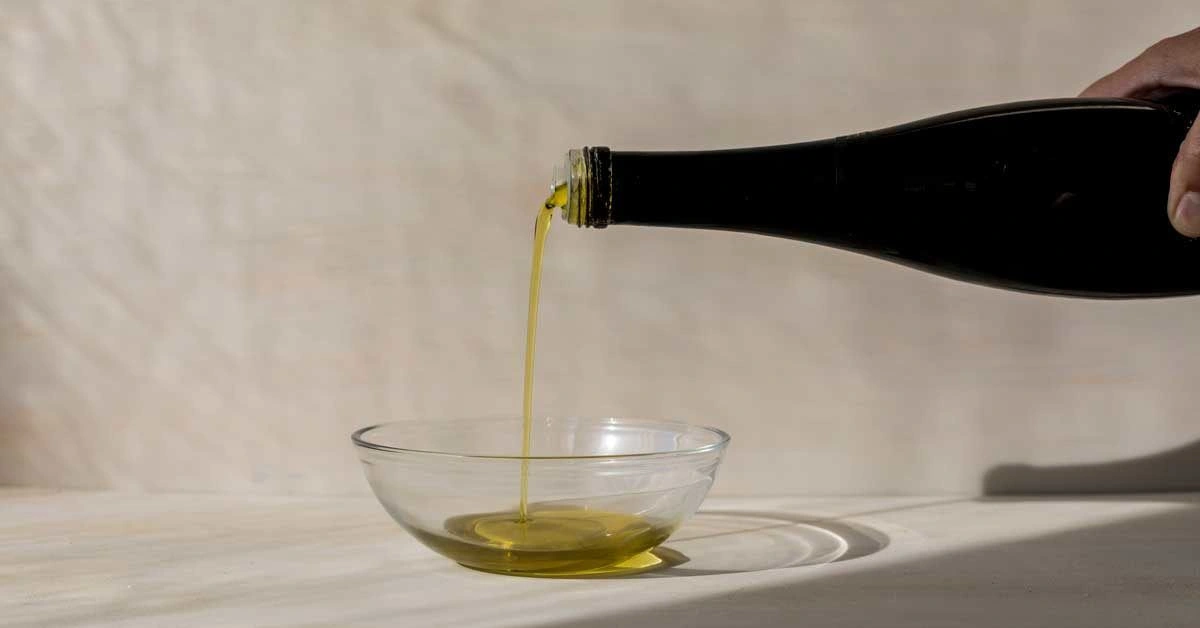
Some people claim that sipping olive oil can help purge toxins from the body, calm digestive issues, and aid weight loss. Still, further investigation is required to confirm these assertions.
Olive oil is well known for its favorable effects on health. It contains anti-inflammatory and antioxidant compounds and may help protect against certain chronic conditions.
Although it’s frequently used for cooking and as a dip, some individuals think that consuming it by the spoonful lets them obtain its full advantages.
Continue reading to learn more about whether drinking olive oil has any real health benefits.

Why do people sometimes drink olive oil?
Some individuals drink olive oil for detoxification, to soothe their stomach, and for other perceived health perks, believing it offers greater benefits than using it in food preparation or on salads.
While research indicates many health advantages from eating olive oil, there’s no solid evidence that drinking it is superior to consuming it in other forms. More studies are necessary to find out if drinking olive oil confers unique benefits.
Read on for a closer look at the potential health effects of consuming olive oil.
What possible benefits come from drinking olive oil?
Research suggests that drinking olive oil could provide multiple health advantages.
May help you meet recommended healthy-fat targets
Most people consume enough total fat, but many don’t get adequate amounts of polyunsaturated (PUFA) and monounsaturated fats (MUFA), which are present in certain oils, nuts, seeds, and other plant foods.
Dietary guidance suggests deriving no more than 30% of daily calories from fat, with under 10% from saturated fat. In the 2020–2025 Dietary Guidelines, the World Health Organization recommends that people aged 2 and older replace saturated and trans fats with MUFAs and PUFAs.
Olive oil is among the richest plant-based sources of MUFAs, and using it can help you reach recommended intakes of this beneficial fat. MUFAs are linked to heart health and may lower the risk of cardiovascular disease. Although MUFAs exist in some animal products, research suggests the greatest benefits come from plant-derived sources.
If your diet is low in these fats, taking a couple of tablespoons of olive oil each day might help you meet recommended levels.
May ease constipation
Drinking olive oil might help with constipation, a condition affecting about 25% of adults over 60.
A 4-week study from 2014 reported that giving roughly 1 teaspoon (4 ml) of olive oil daily to 50 constipated hemodialysis patients significantly softened stool. The study found olive oil to be as effective as mineral oil — a commonly used stool softener — in relieving constipation.
More research is needed to clarify how drinking olive oil might alleviate constipation.
May support heart health
Olive oil has long been considered a heart-healthy fat. One component thought to contribute is oleic acid, a monounsaturated fat abundant in olive oil. When used instead of other fats, oleic acid may lower the risk of heart disease.
The Food and Drug Administration (FDA) notes that replacing fats high in saturated fat with about 1.5 tablespoons (22 ml) of oils rich in oleic acid daily may cut heart disease risk. To get this advantage, avoid increasing your total daily calories when adding oleic acid to your diet.
A 2019 trial of 7,447 people at high risk for cardiovascular disease but without existing disease compared a Mediterranean diet with at least four tablespoons (60 ml) of olive oil per day, a Mediterranean diet with nuts, and a low-fat diet over 5 years. Researchers observed a lower hazard ratio — a relative risk measure — for cardiac events in the olive oil group than in the other groups.
Other studies have reported that higher olive oil consumption is associated with a decreased risk of heart disease.
Although there’s considerable research linking olive oil and cardiovascular health, more study is required to determine if drinking olive oil specifically improves heart outcomes.
Additional possible effects
Beyond the benefits above, drinking olive oil might have the following impacts:
- Assist blood sugar control: A 2023 study found that olive oil, especially extra virgin, can help glycemic control in people with type 2 diabetes.
- Support bone health: A study of 523 women observed that consuming over 18 grams (20 ml) of olive oil daily was linked to significantly greater bone density than consuming less than that amount.
- Reduce inflammation: Olive oil contains compounds with anti-inflammatory activity, such as oleocanthal.
Also, consider using cold pressed olive oil as part of dietary approaches to maximize some of these potential advantages.
Limitations
Although drinking olive oil may offer several possible benefits, there are drawbacks to keep in mind.
Calorie-dense and may contribute to weight gain
Olive oil is calorie-dense, providing 119 calories per tablespoon (13.5 g). While the link between calorie intake and weight gain is complex and influenced by many factors, consuming more calories than you expend generally leads to weight gain.
Research indicates that higher MUFA intake can also increase body weight, so olive oil might contribute to weight gain if used in excess. For this reason, monitor your calorie intake regardless of the calorie source.
Other points to consider
Keep these factors in mind when thinking about drinking olive oil:
- Offers more advantages when eaten with food: For instance, consuming olive oil with tomato products substantially boosts absorption of antioxidant compounds in tomatoes.
- Can replace nutrient-dense foods: Although olive oil is a wholesome fat source, it’s not as nutrient-rich as whole foods. Drinking too much can crowd out healthier options like vegetables, lean proteins, and other whole-food fats.
- Possible allergen: While uncommon, olive pollen can be a potential allergen, and olive oil may cause contact dermatitis in susceptible people.
- Many claimed benefits lack strong evidence: Numerous touted advantages of drinking olive oil are not well supported by research and often come from sellers of olive oil or personal testimonies.
Should you drink olive oil?
Olive oil can be a beneficial part of a healthy eating pattern and offers many positive effects. However, it’s uncertain whether drinking large quantities provides extra benefits beyond those associated with normal dietary use.
While many studies highlight the health benefits of diets rich in olive oil, evidence specifically supporting the practice of drinking it is limited. Additionally, excessive drinking of olive oil may displace other nutritious foods and could cause you to exceed recommended daily fat or calorie limits.
Takeaway
Olive oil is high in monounsaturated fats and has several health-promoting properties. When used moderately, it can be a healthy element of a balanced diet.
Regular intake of olive oil can help you meet recommended healthy-fat targets and may support overall health in various ways.
Nevertheless, more research is needed to determine whether drinking olive oil provides advantages beyond incorporating it as part of a nutritious diet.























Leave a Reply
You must be logged in to post a comment.