
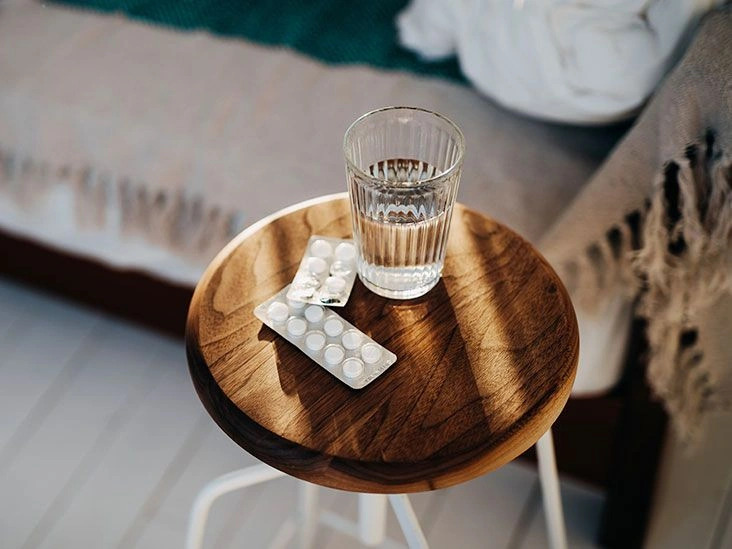
Experts do not classify sleep as an addiction. Still, sleeping excessively can signal an underlying health issue.
When mornings feel impossible and you’re battling to stay awake through the day without constant naps, you might ask: Is sleep addiction real?
Here’s what to know about excessive sleepiness, whether sleep addiction can exist, and what to do if you think you’re oversleeping.
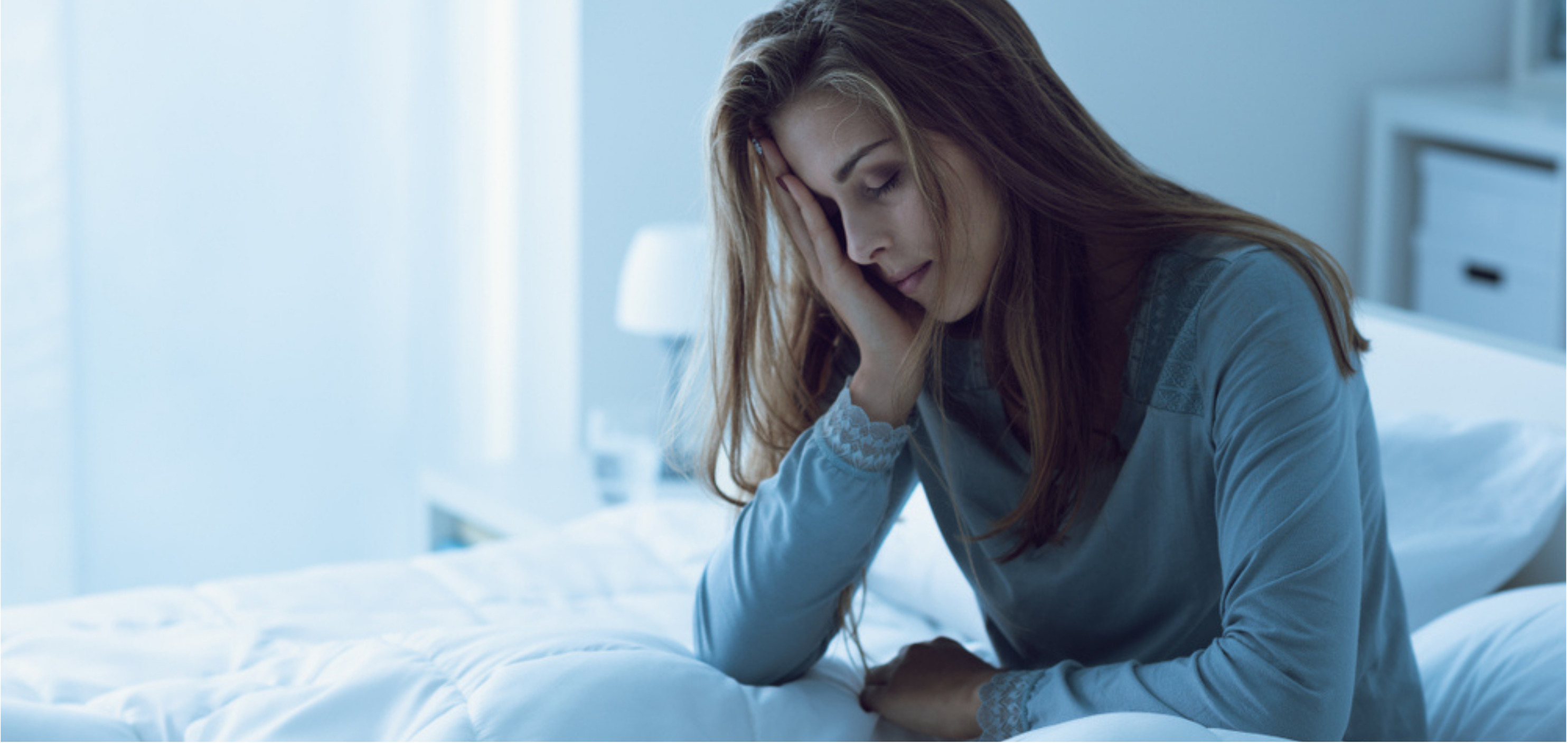
Is sleep addiction a genuine diagnosis?
As the United Kingdom’s National Health Service (NHS) explains, “addiction is most commonly associated with gambling, drugs, alcohol and smoking, but it’s possible to be addicted to just about anything.”
Addiction is a brain disorder that involves compulsively craving a substance or behavior that may lead to the harmful pursuit of a “reward” or payoff.
Could this definition be applied to sleep?
Gregory Potter, a UK expert in nutrition, sleep, circadian rhythms, and metabolism, thinks probably not.
“Sleep addiction is not a medically recognized diagnosis,” he said.
The American Society of Addiction Medicine notes that addiction involves compulsive use of substances or behaviors that continue despite harmful outcomes.
Sleep is a biological need and isn’t intrinsically damaging.
“For sleep to fit that definition, it would need to produce harmful repercussions, which is extremely uncommon,” Potter added. “An exception might be someone performing dangerous actions while sleepwalking.”
Mariana Bodiu, a psychotherapist at the London practice SimplyWell, concurs.
“Like breathing, sleep is essential for survival,” she said. “Could someone be addicted to breathing? It’s nearly impossible — and the same applies to sleeping.”
In short, being addicted to sleep is unlikely.
Could it be another disorder?
Currently, no scholarly article endorses sleep as an addiction, Bodiu points out. However, she notes that oversleeping can stem from other medical conditions.
Potter agrees. “Hypersomnias are established sleep disorders characterized by prolonged sleep, excessive daytime sleepiness, or both,” he explained.
Conditions that may cause pronounced daytime drowsiness include:
- narcolepsy
- Kleine-Levin syndrome
- idiopathic hypersomnia
- sleep apnea
- dysania, or difficulty rising from bed
It’s easy to mistake one of these disorders for a so-called sleep addiction.
The word “clinomania” has also circulated online. Like dysania, it describes a strong urge to stay in bed, but it is not an officially recognized diagnosis.
How to recognize a sleep disorder
Although sleep addiction isn’t medically recognized, there are warning signs that might point to a sleep disorder such as hypersomnia.
Common indicators of hypersomnia include:
- persistent tiredness
- trouble waking after long sleep
- irritability
- frequent need for naps
- memory problems
- brain fog
“While hypersomnia isn’t an addiction, those diagnosed with it can experience a wide array of side effects,” Bodiu said.
These can include:
- low energy
- fatigue
- headaches
- migraines
- reduced appetite
- restlessness
- hallucinations
- suicidal thoughts
- memory impairment
Help is available
If you or someone you know is in crisis and thinking about suicide or self-harm, please get support:
- Call or text the 988 Suicide and Crisis Lifeline at 988 or chat at 988lifeline.org. Trained counselors are available 24/7 for free and confidential help.
- Text HOME to the Crisis Text Line at 741741 to reach a volunteer crisis counselor for free, confidential support 24/7.
- Outside the United States? Locate a helpline in your country with Befrienders Worldwide.
- If safe to do so, call 911 or your local emergency services.
If you’re reaching out for someone else, stay with them until help arrives. If it’s safe, remove weapons or harmful substances.
If you’re not in the same location, remain on the phone with them until assistance comes.
Hypersomnia can sometimes be linked with conditions like:
- diabetes
- obesity
- clinical depression
Excessive tiredness can also arise from poor sleep habits, an irregular sleep routine, or daytime behaviors that disrupt rest.
Bodiu observes that if your body craves sleep, it’s likely you genuinely need it.
“Your body requests the amount of sleep it requires, naturally waking you when it’s rested,” she said. “Hormones that govern sleep tell your body when to repair and recharge, effectively nudging you toward sleep.”
If you still feel the urge to nap after a full night’s rest, Bodiu suggests that poor sleep quality may be the issue.
Sleep and mental health
Another explanation for feeling “addicted” to sleep could be a mental health disorder.
“People with certain psychiatric conditions spend a lot of time in bed,” Potter said. “This is common in some types of depression. Some psychiatric illnesses are also associated with hypersomnia.”
Research indicates that a psychological reliance on sleep can signal depression. For example, a 2018 study found a strong link between major depressive disorder and hypersomnia.
A 2024 study also reports that people with depression may sleep about 2 hours more or 2 hours less than their usual amount.
Bodiu explains that increased sleep can sometimes reflect a wish to escape life’s difficulties.
“People seeking to escape reality may be deeply unhappy with their waking life and want to shut out negativity in a coma-like way,” she said.
Sleep addiction versus sleeping pill dependence
Although most specialists agree sleep addiction isn’t a formal diagnosis, it’s possible to become dependent on sleeping medications — and that dependence can produce symptoms akin to hypersomnia.
“Sleeping medications can be effective for short-term insomnia,” Bodiu said. “Used appropriately under medical supervision, they’re unlikely to cause major harm.”
You might not notice drug dependence until you develop tolerance to the dose or suffer withdrawal when stopping.
Signs of dependence on sleeping pills may include:
- memory issues
- daytime sleepiness and fatigue
- poor concentration
- coordination difficulties
- sleep disturbances like sleepwalking
“Addiction often develops gradually, so sleeping pills should usually be limited to short-term use,” Bodiu advised.
Depending on the medicine and duration of use, tapering off under medical supervision may be safer than quitting abruptly.
In all cases, consult a healthcare professional for guidance.
Sleep medications that can lead to dependence
Worried your sleep medication might be habit-forming? Common sleep aids that can cause dependence over time include:
- diphenhydramine (Benadryl)
- quetiapine (Seroquel)
- trazodone
- zolpidem (Ambien or Edluar)
- zaleplon (Sonata)
- eszopiclone (Lunesta)
If you’re concerned about a medication, speak with your doctor to learn more.
Nonaddictive sleep aids to consider
If you prefer sleep aids that are less likely to cause dependence, several natural alternatives may help:
- melatonin
- lavender supplements, teas, or essential oil in a diffuser
- chamomile
- valerian
- passionflower
- lemon balm
That said, clinicians are increasingly wary of melatonin supplements due to inconsistent labeling and prolonged use.
Behavioral changes can also improve sleep, such as avoiding screens and caffeine before bedtime and getting ample daylight during the day.
When to seek help and contact a doctor
If persistent sleepiness is affecting your life, see a doctor.
Because sleep addiction isn’t a diagnosable condition, your tiredness might stem from hypersomnia, a mental health issue, or another medical problem.
The Centers for Disease Control and Prevention (CDC) suggests these resources for people working to regulate their sleep:
Bottom line
Although sleep addiction is not an established medical diagnosis, there are many reasons someone might be oversleeping.
Hypersomnia is a medical disorder that causes extreme tiredness, and certain mental health conditions can also increase sleepiness.
If you take prescription sleep medications and find yourself wanting to sleep during the day, you may have developed a dependence on those drugs.
In any case, consult your physician to get help and identify the right solution.


















Leave a Reply
You must be logged in to post a comment.