

Introduction
Vyvanse is a prescribed medication used to manage attention deficit hyperactivity disorder (ADHD) and binge-eating disorder. Its active component is lisdexamfetamine. Vyvanse belongs to the amphetamine class and acts as a central nervous system stimulant.
Some people taking Vyvanse report feeling tired, irritable, or experiencing other symptoms several hours after a dose. This phenomenon is often referred to as a Vyvanse crash or Vyvanse comedown. Read on to understand why a Vyvanse crash may occur and what steps can help reduce its likelihood.
Vyvanse crash
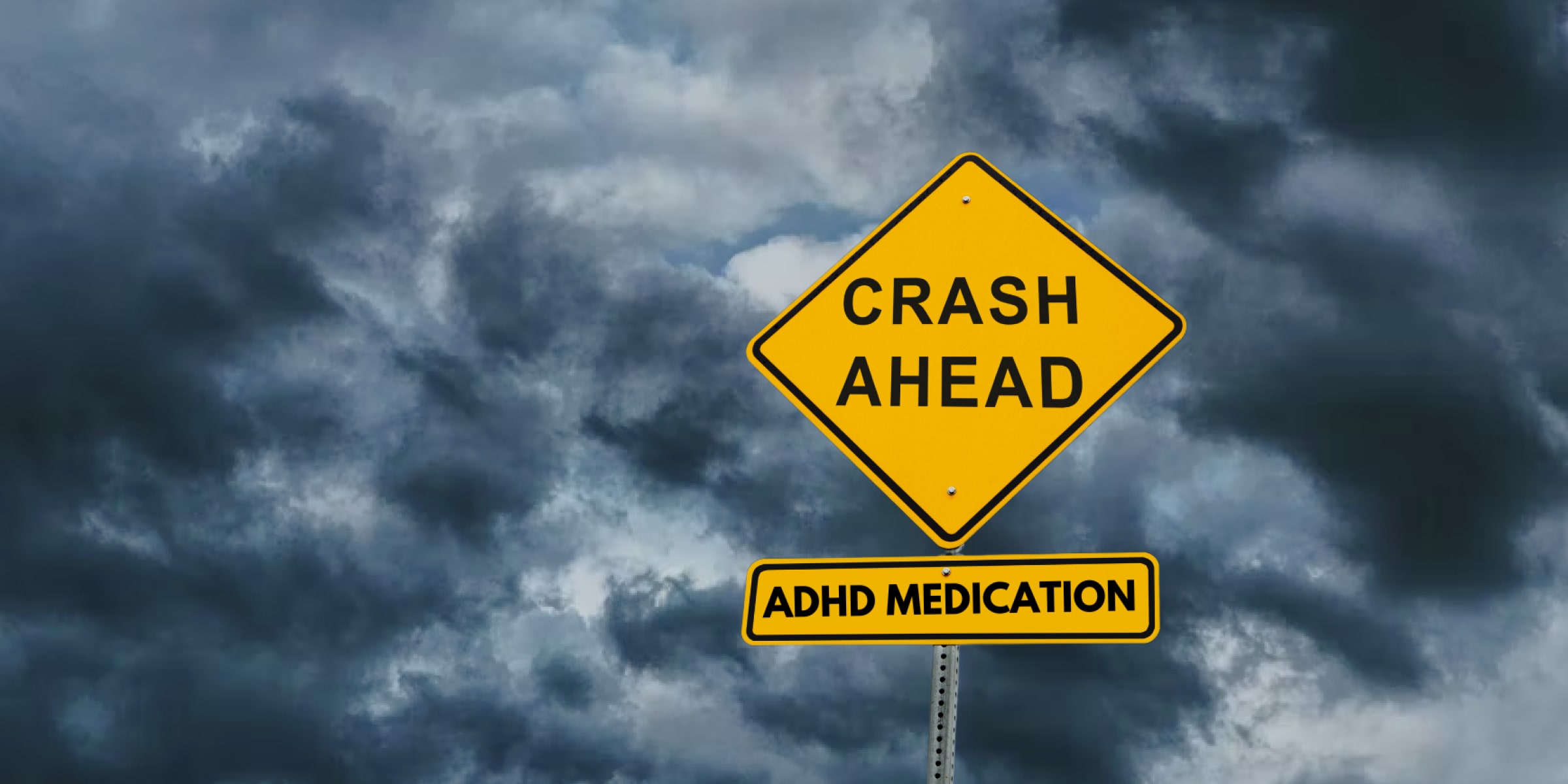
When you begin Vyvanse, your clinician will usually start with the lowest effective dose. This approach minimizes side effects while your body adapts to the medication and helps your provider find the smallest dose that works for you. As the day goes on and the medication’s effect fades, you might go through a “crash.” For many individuals, this happens in the afternoon. A crash can also happen if you miss a dose.
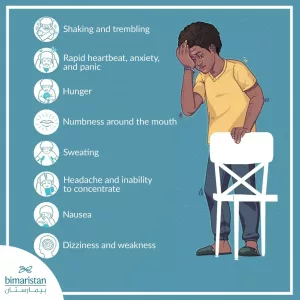
Signs of this crash can include increased irritability, anxiety, or fatigue. Frequently, people with ADHD notice a recurrence of their baseline symptoms because there isn’t enough medication in their system to control them.
What you can do
If you’re dealing with a Vyvanse crash, consider the following recommendations:
Take the medication exactly as prescribed. Taking more than prescribed or using the drug in an unintended way (for example, crushing and injecting it) greatly raises the risk of a more intense crash.
Take Vyvanse at the same time each morning. Consistent timing helps maintain steadier drug levels in your body, which can reduce the chance of a crash.
Inform your doctor if crashes are frequent. If you commonly experience an afternoon crash, let your clinician know. They may adjust your dose or treatment plan to better control your symptoms.
Vyvanse dependence and withdrawal
Vyvanse carries a potential for dependence. It is a federally controlled substance, so your doctor will monitor its use closely. Controlled substances can be habit-forming and are at risk for misuse.
Amphetamines like Vyvanse can produce feelings of euphoria or intense well-being when taken in large amounts. They can also increase focus and alertness. Some people misuse these medications to chase those effects. However, overuse or misuse can result in dependence and withdrawal symptoms.
Dependence
Using amphetamines at high doses for prolonged periods—weeks or months—can produce physical and psychological dependence. Physical dependence means you need the drug to feel normal, and stopping it triggers withdrawal. Psychological dependence involves a strong craving and loss of control over seeking and using the drug.
Both dependence types are hazardous. They can lead to confusion, mood instability, increased anxiety, and in severe cases paranoia and hallucinations. Dependence also raises the risk of overdose, brain injury, and death.
Withdrawal
If you discontinue Vyvanse, you may experience physical withdrawal symptoms. Even if you take Vyvanse exactly as directed, abruptly stopping it can still cause withdrawal. Possible withdrawal symptoms include:
- shakiness
- sweating
- difficulty sleeping
- irritability
- anxiety
- depression
If you plan to stop Vyvanse, discuss it with your doctor. They may advise tapering the dose gradually to lessen or avoid withdrawal effects. Keep in mind that withdrawal is generally temporary. Symptoms usually resolve after a few days, though they can persist for several weeks in individuals who have used Vyvanse long-term.

Other side effects and risks of Vyvanse
As with all medications, Vyvanse can produce side effects and has additional risks to consider.
Common side effects of Vyvanse include:
- reduced appetite
- dry mouth
- feeling irritable or anxious
- dizziness
- nausea or vomiting
- abdominal pain
- diarrhea or constipation
- sleep disturbances
- circulatory issues in fingers and toes
More serious adverse effects may include:
- hallucinations, such as seeing or hearing things that aren’t present
- delusions, or fixed false beliefs
- paranoia, or intense suspiciousness
- elevated blood pressure and heart rate
- heart attack, stroke, and sudden death (risk is greater if you have preexisting heart disease)
Drug interactions
Vyvanse can interact with other medications. For example, it should not be used with monoamine oxidase inhibitors (MAOIs) or within 14 days of taking an MAOI. Also avoid combining Vyvanse with other stimulant medications, such as Adderall, unless your doctor specifically advises it. For guidance about mixing Vyvanse with other substances, including vyvanse alcohol, discuss this with your provider.
Pregnancy and breastfeeding risks
Like other amphetamines, using Vyvanse during pregnancy may be linked to problems such as premature delivery or low birth weight. Tell your clinician if you are pregnant before starting Vyvanse.
Do not breastfeed while taking Vyvanse. The drug can affect your infant, potentially increasing heart rate and blood pressure.
Conditions of concern
Vyvanse may cause new or worsening symptoms in people with bipolar disorder, thought disorders, or psychosis. These effects can include delusions, hallucinations, and manic episodes. Before beginning Vyvanse, inform your doctor if you have:
- a psychiatric disorder or thought disturbances
- a history of suicide attempts
- a family history of suicide
Slowed growth risk
Vyvanse can slow growth in children. If a child is prescribed this medication, the doctor will monitor their growth and development closely.
Overdose risk
An overdose of Vyvanse may be life-threatening. If multiple capsules have been taken, either accidentally or intentionally, seek emergency medical help immediately. Overdose signs can include:
- panic, confusion, or hallucinations
- very high or very low blood pressure
- irregular heart rhythm
- abdominal cramps
- nausea, vomiting, or diarrhea
- seizures or coma
Talk with your doctor
Vyvanse needs careful use to reduce the chance of problems like a Vyvanse crash. If you have questions about crashes or any other risks of Vyvanse, speak with your doctor. Questions you might ask include:
- What additional steps can I take to prevent a Vyvanse crash?
- Are there alternative medications that don’t cause an afternoon crash?
- Should I be particularly worried about any of the other risks associated with Vyvanse?
Q&A: How Vyvanse works
Q:
How does Vyvanse work?
A:
Vyvanse acts by gradually raising levels of dopamine and norepinephrine in the brain. Norepinephrine boosts attention and alertness, while dopamine enhances pleasure and supports focus. Increasing these neurotransmitters can improve attention span, concentration, and impulse control, which is why Vyvanse helps ease ADHD symptoms. Its exact mechanism for treating binge-eating disorder is not completely understood.

















Leave a Reply
You must be logged in to post a comment.