

If you’re trying to figure out which clinician to visit for lower back pain, you’re in good company. It can be confusing to know where to turn. Providers who may help include orthopedists, chiropractors, and physical therapists, among others.
A variety of physicians and allied health professionals can manage lower back pain. You might want to see a doctor if your pain becomes severe or continues beyond 12 weeks.
When choosing which clinician or specialist to consult for lower back pain, several considerations may guide your decision. This article outlines who could be a suitable option for you.

Primary care doctor
Your primary care physician is often the best initial contact, if you have one. They typically already know your medical background fairly well, particularly if you see them yearly.
That context helps them narrow down potential causes of your back pain. Expect your primary care doctor to conduct a physical exam and ask about when the pain began, how long it has lasted, and how severe it is.
They may suggest a treatment plan immediately, order diagnostic testing, or refer you to one of the specialists discussed below.
Chiropractor
Visiting a chiropractor is another common route for lower back pain. Chiropractors are not medical doctors, but they undergo training and must be licensed to practice.
Chiropractors use manual manipulation of joints to relieve pain. Their primary focus is the spine, including the back and neck, though they may address other body regions as well.
A 2018 clinical trial showed that combining primary medical care with chiropractic treatment improved lower back pain more than medical care alone.

Orthopedist
An orthopedist is a physician with specialized expertise in the musculoskeletal system. This covers bones, muscles, and connective tissues such as tendons and ligaments.
An orthopedic specialist will begin with a physical assessment to identify the source of your lower back pain. They frequently order X-rays to assess bone integrity and spinal alignment and may request an MRI to view the spinal cord, nerves, and spinal joints.
Orthopedists often recommend conservative measures like physical therapy and support devices such as braces. In more serious situations, you may see an orthopedic surgeon to determine whether surgery is warranted.
Physical therapist
Physical therapists focus on movement and treating movement disorders. Many (though not all) hold a doctor of physical therapy (DPT) degree. Still, a physical therapist is not a medical doctor.
Physical therapists design treatment programs with targeted exercises and stretches to perform at home or under supervision in a clinic. These routines can increase range of motion, strengthen specific muscles, and retrain movement patterns. That may improve posture and correct gait imbalances.

Pain management specialist
Depending on your lower back pain’s details, your primary care physician might refer you to a pain management specialist. These doctors have training in diagnosing and treating chronic pain, such as back pain lasting 3 months or more.
Examples of pain specialists include neurologists (who treat nerve-related pain) and anesthesiologists (who use medications and procedures to reduce pain).
Rheumatologist
A rheumatologist treats musculoskeletal and autoimmune conditions. Examples of disorders a rheumatologist may manage include:
- rheumatoid arthritis
- osteoarthritis
- osteoporosis
- fibromyalgia
Each of these can cause lower back pain. A rheumatologist may prescribe medications that reduce immune-driven inflammation in the spine.
Massage therapist
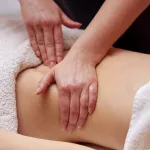
A massage therapist might operate independently or within a practice alongside related professionals such as chiropractors and physical therapists. They are not medical doctors, but most states require licensure.
Massage can be used alone or combined with other treatments to relax tight muscles and enhance circulation. Still, if your lower back pain is persistent, you should seek evaluation from a medical doctor.
Acupuncturist
Like massage therapists, acupuncturists may run solo practices or share space with other clinicians. They are not medical doctors, though licensing and often board certification are required in many states.
Acupuncture for lower back pain is generally regarded as safe and has been linked to beneficial outcomes. It’s considered a conservative approach that may help reduce nerve sensitivity associated with pain.
Takeaway
Often, lower back pain resolves on its own within days to weeks. Gentle stretching, using ice or heat packs, and taking nonsteroidal anti-inflammatory medications are common ways to manage mild back pain at home.
There are many home strategies for back pain, but if your symptoms persist or become unbearable, consult a healthcare professional for proper diagnosis and treatment.




















Leave a Reply
You must be logged in to post a comment.