
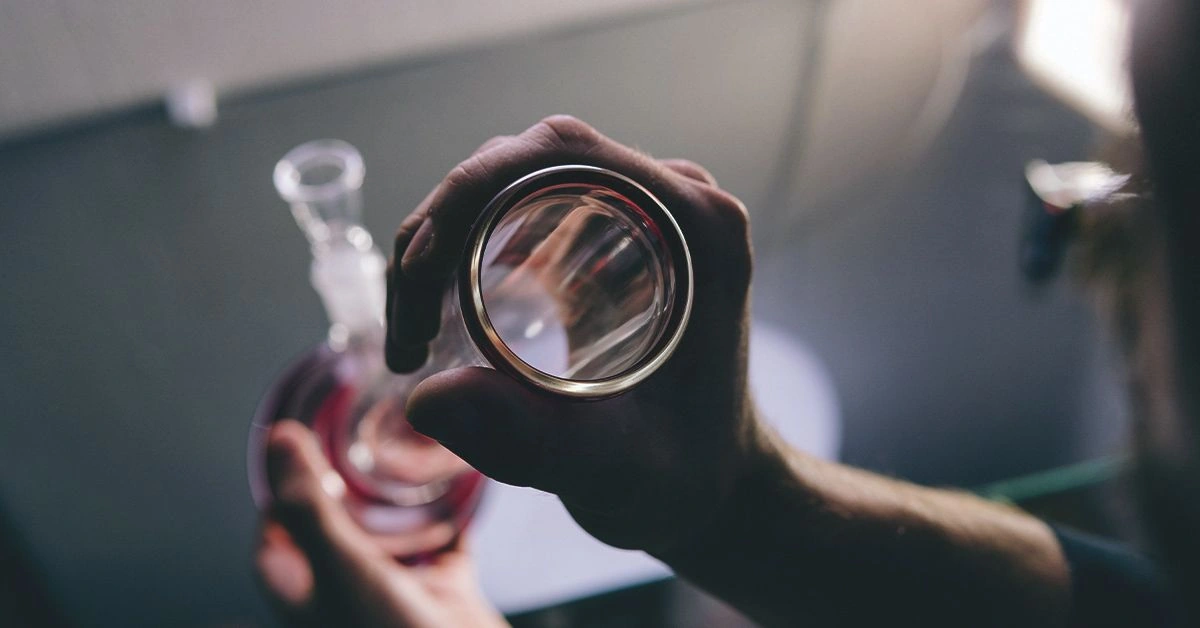
Bongs, often called bubblers, bingers, or billys in slang, are water pipes designed for smoking cannabis.
They’ve been used for centuries. The term bong likely derives from the Thai word “baung,” which refers to a bamboo tube once used for smoking marijuana.
Modern bongs look far more intricate than a plain bamboo cylinder, yet they operate on the same fundamental principle.
Keep reading to find out how bongs function and why, despite common belief, they don’t actually offer significant lung-protective benefits compared with other smoking techniques.

How do they work?
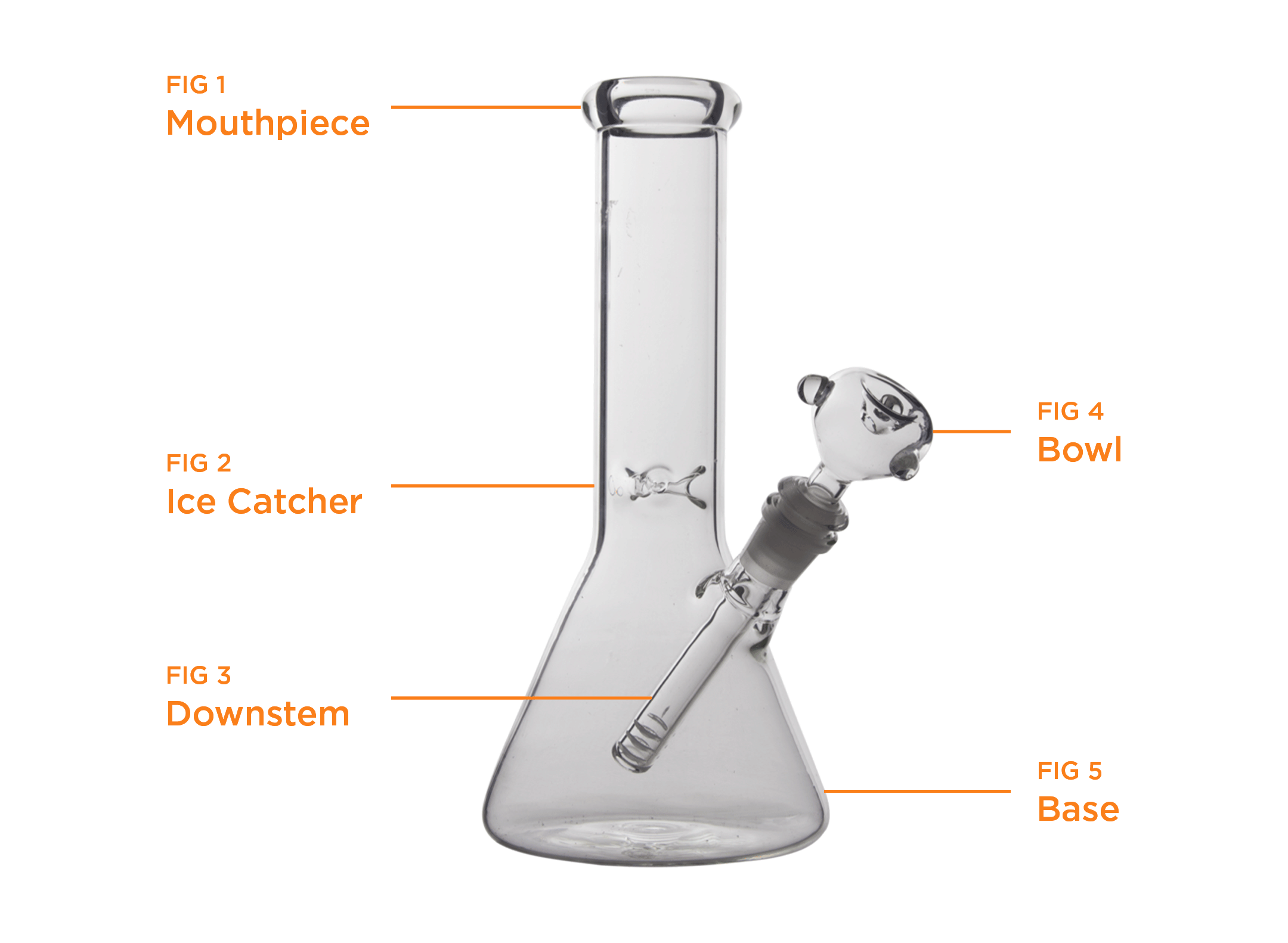
Bongs exist in numerous forms and sizes. Some are minimalist with just a bowl and a main chamber; others are vibrant, mouth-blown artistic pieces.
Ultimately, their purpose is the same: to cool and partially filter the smoke produced by burning cannabis.
Typically, a bong has a small bowl that holds dried marijuana. When you ignite the weed it combusts. As you inhale, the water at the base of the bong bubbles (or percolates, for the technically inclined). The smoke travels up through the water and then the chamber before reaching your mouth and lungs.
Are they really better for your lungs?
If you want a gentler hit, a bong will generally deliver that compared with smoking cannabis rolled in paper.
As you’d expect, the water removes some of the dry heat you’d experience with a joint. The resulting smoke is often described as cooler, creamier, and smoother rather than harsh.
That sensation can be misleading, though.
While the smoother smoke might feel easier on your lungs, you’re still inhaling combustion products. And that smoke still fills your lungs (we’ll skip the lecture on why that’s bad for your health).
Yes, a portion of harmful constituents may be reduced by the water. But it’s not a large enough reduction to make a meaningful health difference.
In short, claims that bongs are a “safer” method of smoking are largely unsupported by solid science.
Research into bong safety has not been a priority, though that could change as cannabis becomes legal in more regions.
So, you’re saying they’re harmful?
Unfortunately, yes.
According to the Centers for Disease Control and Prevention and other health bodies, smoke is detrimental to lung health regardless of the substance because combustion releases carcinogens.
Smoking marijuana, whether from a joint or a bong, can damage lung tissue and lead to scarring and injury to small blood vessels.
The habit of inhaling deeply and holding your breath when smoking cannabis often exposes you to more tar per breath. Additionally, bongs essentially let you draw more smoke into your lungs while making that smoke feel more comfortable to inhale. All of these factors make it easy to overdo it when using a bong.
Another concern is plastic bongs. Plastics containing chemicals such as BPA and phthalates have been associated with negative health outcomes, including cancer.
Beyond health concerns, depending on your local laws, possessing a bong with cannabis residue or even with marijuana in it can create legal problems.
Studies also indicate that people who smoke only marijuana have more medical visits for respiratory issues than nonsmokers, regardless of how they inhale.
Are they really filthier than a toilet seat?
There’s an oft-repeated claim online that bongs harbor more germs than toilet seats. We couldn’t locate a reliable study backing that exact comparison (likely because it doesn’t exist), but the idea does make a relevant point.
There have been case reports of individuals contracting pulmonary tuberculosis after sharing a bong. Even without sharing, using a bong can expose you to lung problems, including potentially deadly infections.
For instance, a 2017 case report describes a man who developed necrotizing pneumonia linked to bong use. This severe illness leads to permanent death of lung tissue.
Physicians concluded he inhaled contaminated aerosolized water from a so-called “filtered” glass bong. Cultures and swabs from both the bong and the patient confirmed the bacteria originated from the device.
The bottom line
A bong can cool and partially filter smoke to provide a smoother hit that feels less harsh than a rolled joint, but it doesn’t shield you from the harms of smoking.
If you’ve been a frequent bong user, you might consider retiring it and using it as a vase for flowers or a shelf ornament.
If you plan to use cannabis for recreational or medical reasons, health professionals advise exploring other delivery methods.
Alternatives, depending on your needs, include CBD sprays, capsules, oils, or edibles such as gummies.




















Leave a Reply
You must be logged in to post a comment.