
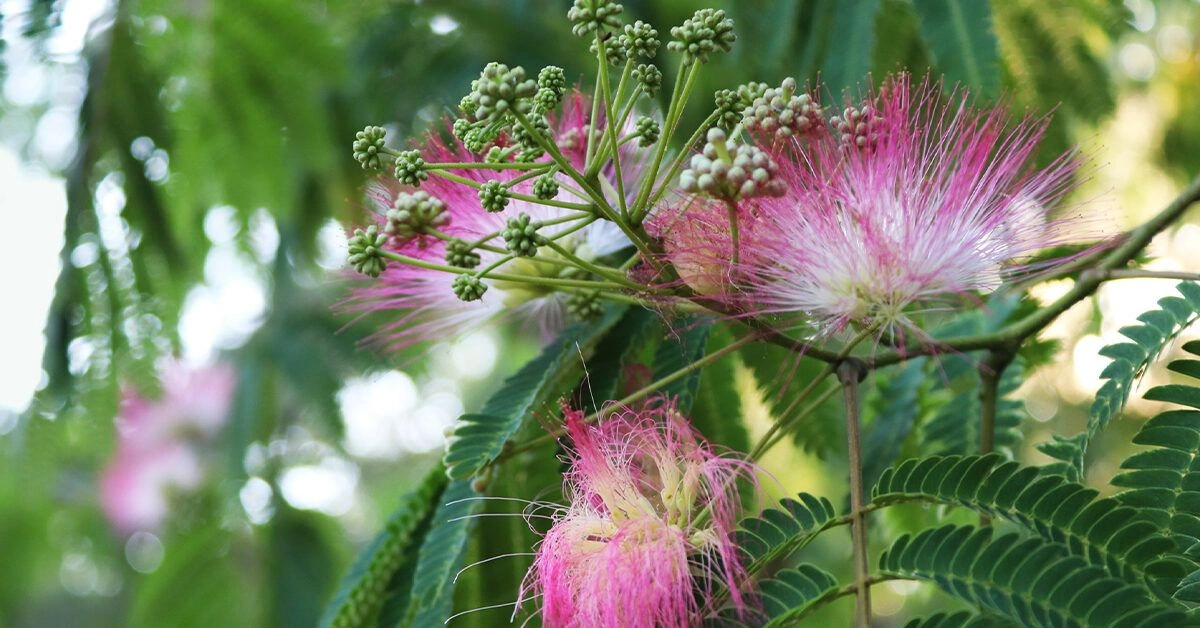
Tepezcohuite (Mimosa tenuiflora) is a long-lived tree with deep roots in traditional healing practices. It’s also referred to as tepescohuite, jurema preta, mimosa hostilis, mimosa tenuiflora, calumbi, and binho de jurema.

This species mainly grows throughout Central and South America, with Brazil and Mexico being the primary cultivators.
People traditionally use its bark and feathery leaves for a variety of medicinal purposes. Topical applications are most common, especially for signs of skin aging, wounds, ulcers, and burns (1, 2).
It’s also notable for its role in psychoactive ceremonial practices. When combined with monoamine oxidase inhibitors, preparations from the plant are sometimes used in ritual contexts to induce brief hallucinatory experiences (1, 2).
Despite traditional acclaim, tepezcohuite is not widely incorporated into mainstream skincare outside its native regions, which may make you question whether to try it.
This article summarizes what is currently known about tepezcohuite, including potential advantages, common uses, and possible risks.
Health claims
Although scientific research on tepezcohuite is limited, numerous proposed health benefits exist, mainly related to skin repair and aging.
Wound healing
Tepezcohuite’s most recognized claim is its alleged capacity to heal wounds and skin damage.
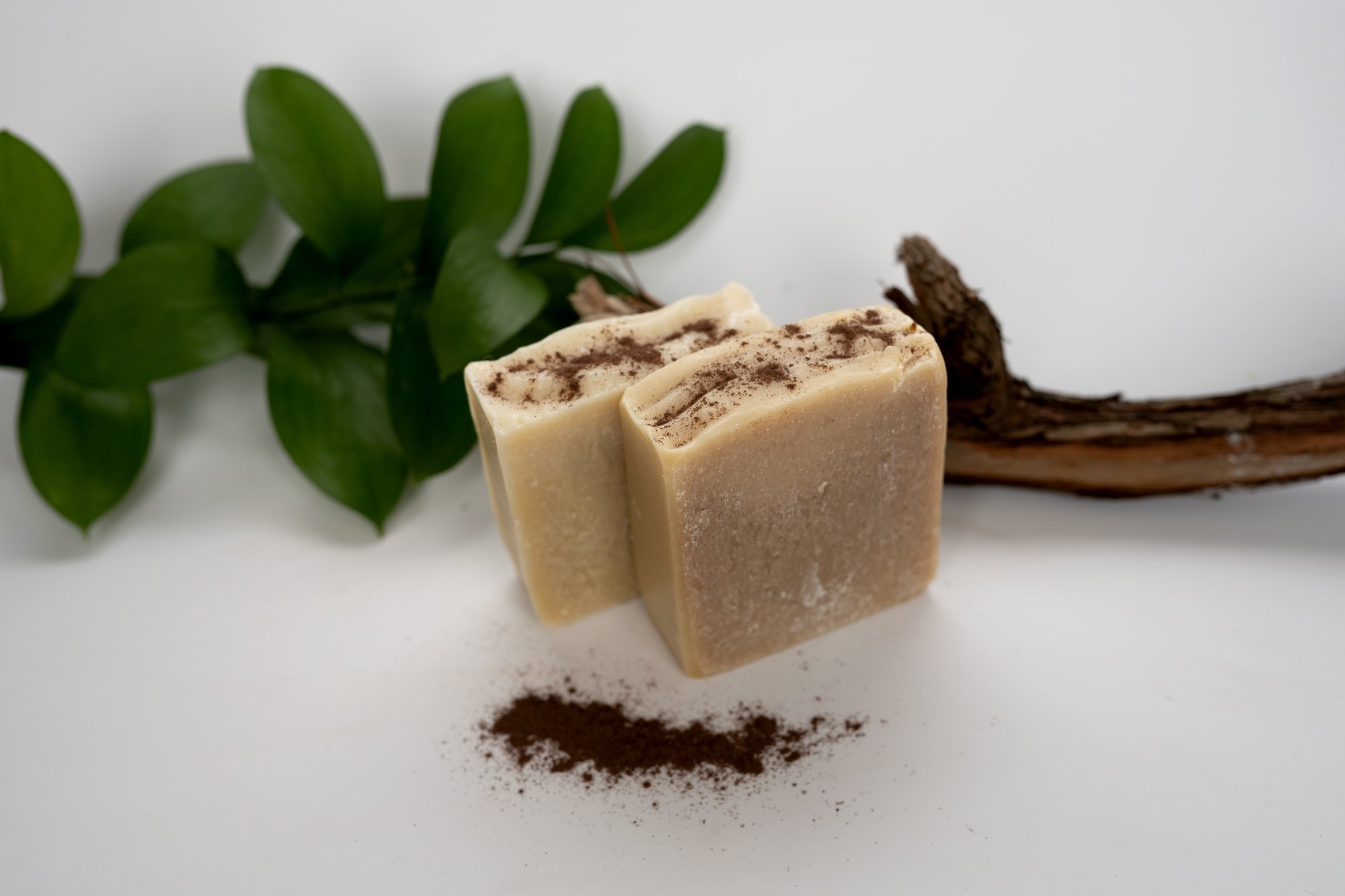
Notably, following the 1984 Mexico City gas explosion, the Red Cross reportedly used tepezcohuite bark powder to treat over 5,000 burn victims because of its purported regenerative and antiseptic qualities (2, 3).
Subsequent research has explored its wound-healing effects. The plant contains constituents such as tannins and saponins that may encourage skin renewal through antioxidant and antimicrobial activity (4, 5, 6, 7).
In one 2007 trial involving patients with leg ulcers, subjects treated with a 5% tepezcohuite extract experienced a 92% reduction in ulcer area after 8 weeks, while the control group showed no change (3).
Conversely, a small 2012 study reported no significant difference in leg ulcer size after 8 weeks of tepezcohuite extract compared with control (8).
These reparative effects are attributed to phenolic compounds with antioxidant and potential anticancer activities, though much of the evidence so far comes from laboratory and in vitro investigations (9).
Outside these limited trials, human data are sparse. Anecdotal and traditional uses are noteworthy but do not replace the need for more rigorous research.
Skin conditions
Claims that tepezcohuite treats a broad range of dermatologic problems—such as signs of aging, acne, or psoriasis—are not supported by clinical trials.
Because tepezcohuite contains antioxidants, lipids, and tannins that may encourage skin repair and regeneration, it’s plausible it could benefit other skin complaints, but this remains theoretical (1, 5).
It has become trendy in some circles as an anti-aging remedy, with certain public figures praising its skin-rejuvenating effects.
As more beauty brands start adding tepezcohuite to formulations, interest in clinical investigation may grow. For now, evidence is insufficient to endorse it as an effective treatment for various skin disorders.
Other uses
In folk medicine, tepezcohuite has been used for issues like coughs, bronchitis, vaginal infections, stomach ulcers, and pain management.
Some early animal research hints at analgesic effects, but these findings are preliminary and not well-established (1, 10).
No well-designed human trials currently demonstrate that topical or oral tepezcohuite reliably treats these ailments. Additional study is required.
Summary: Limited human research and anecdotal experience indicate tepezcohuite may aid wound healing. However, evidence supporting other dermatologic or systemic uses is scarce.
Side effects
Reported adverse effects from tepezcohuite are few, particularly with topical application.
Topical use can sometimes cause burning, tingling, or localized skin irritation (8).
Animal studies suggest that ingesting tepezcohuite seeds or fresh leaves may lead to fetal malformations or embryonic loss, so pregnant individuals should avoid internal use (11, 12).
Safety and effectiveness for people taking medications, those with medical conditions, pregnant or breastfeeding individuals have not been established. If any of these apply to you, avoid using tepezcohuite.
Summary: Generally tolerated when applied to the skin, tepezcohuite contains psychoactive components if ingested. People with health issues, those on medications, or who are pregnant or nursing should not use it.
Uses
Traditionally, dried tepezcohuite powder has been used as a topical wash to handle different skin problems. Today, it’s more frequently incorporated into creams and lotions.

Growing curiosity around tepezcohuite has prompted some skincare brands to include it as an ingredient touted to address aging signs.
The bark and roots are also prepared as a psychoactive brew consumed in ritual contexts such as the Jurema ceremonies in Brazil (1, 13).
Summary: Tepezcohuite is commonly made into a dried powder or formulated in creams for topical skin use. It has also been used to prepare a psychoactive drink in traditional ceremonies.
The bottom line
Tepezcohuite is a perennial tree native to Central and South America, historically used both as a psychoactive ceremonial preparation and in folk medicine.
Advocates highlight benefits like reduced signs of skin aging, wound repair, and pain relief, but scientific backing is limited. Available trials indicate it may help heal leg ulcers in some cases, yet more robust research is necessary.
Topical application appears relatively safe, but oral consumption is not recommended due to unclear safety data.
If you’re considering trying tepezcohuite, stick to topical products and consult a healthcare provider first to ensure it’s appropriate for you. For related treatments and pricing info, you may also be interested in tepezza and details about tepezza cost.























Leave a Reply
You must be logged in to post a comment.