

For people thinking about adopting a low-oxalate eating plan, the idea of oxalate dumping can sound worrisome.
Reportedly marked by symptoms such as tiredness, lightheadedness, pain, and irritability, oxalate dumping is said to happen when you cut oxalate intake too rapidly.
The good news is there are several approaches that may help prevent oxalate dumping and naturally lower your body’s oxalate excretion.
This piece reviews what may trigger oxalate dumping, the symptoms people report, and practical steps to avoid it.
What triggers oxalate dumping?
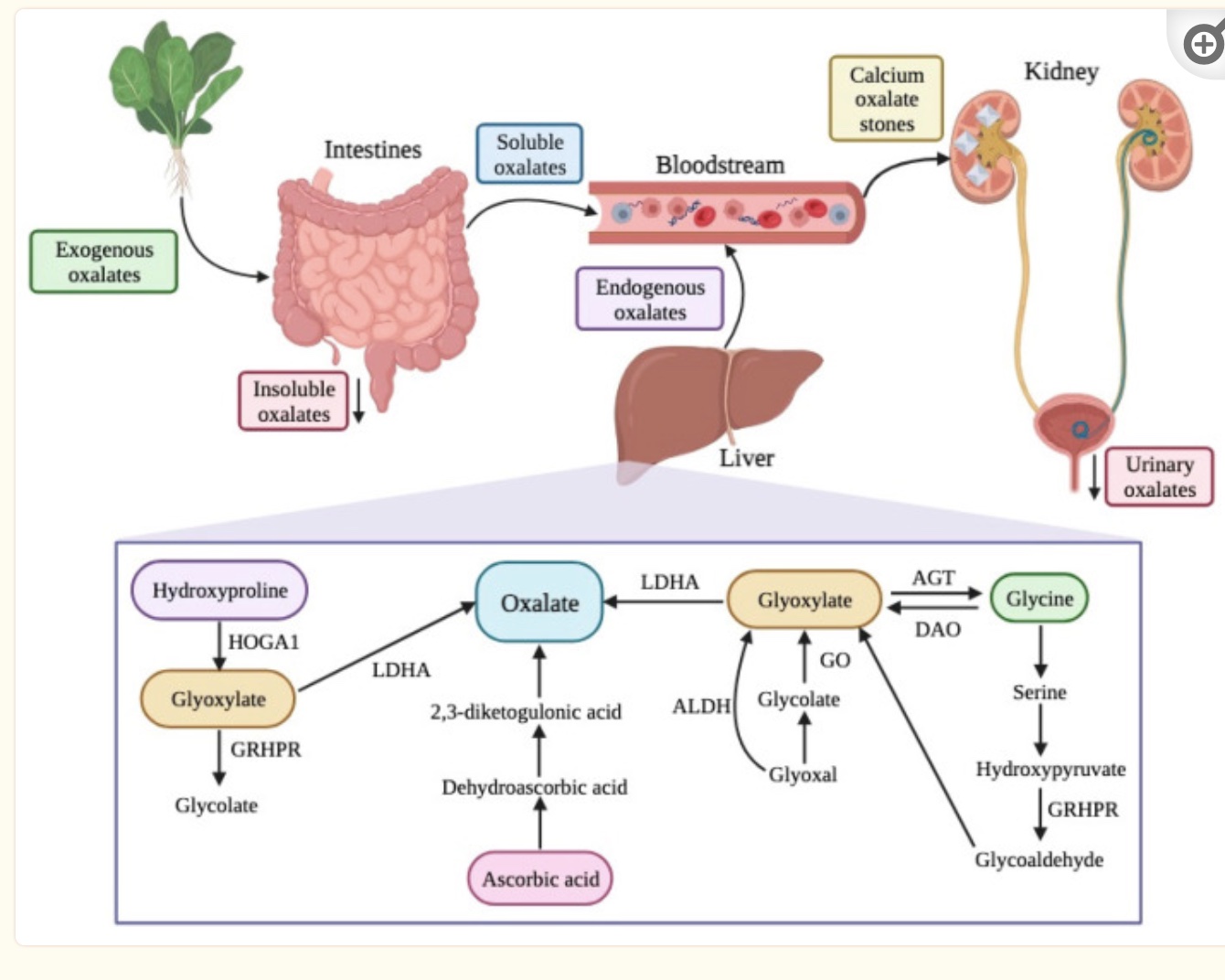
Oxalates, also called oxalic acid, are compounds present in foods like leafy greens, legumes, nuts, and seeds.
In the gut, oxalates bind to calcium and are eliminated from the body via urine (1).
Eating large amounts of oxalate-containing foods may promote kidney stone formation, particularly when urine output is low (1).
Some research also links high urinary oxalate levels with greater inflammation and oxidative stress (2, 3).
This topic often comes up with juicing or cleanse regimens, which can create unusually large daily oxalate loads by using spinach, beetroot, plums, rhubarb, and other high-oxalate produce.
Consequently, some practitioners suggest cutting back on oxalate-rich foods if you have an inflammatory disorder potentially aggravated by oxalates, such as rheumatoid arthritis, lupus, or intestinal barrier dysfunction.
Yet abruptly lowering oxalate intake is thought by some to lead to oxalate dumping — a rapid release of stored oxalates from the body that may produce a variety of unpleasant symptoms.
It’s important to note that oxalate dumping is primarily supported by anecdotal reports, and scientific evidence confirming its existence is lacking.
Summary: Oxalate dumping is a purported phenomenon believed to occur when oxalate consumption is reduced too abruptly, prompting a swift elimination of oxalate reserves.
Symptoms
Oxalate dumping is reported to cause numerous adverse effects, from skin eruptions to lightheadedness and overwhelming tiredness.
Commonly reported signs of oxalate dumping include:
- painful bowel movements
- grainy or sandy stools
- skin rashes or hives
- mood swings
- fatigue
- dizziness
- burning or painful urination
- poor concentration
- muscle cramps
These symptoms are usually temporary, lasting a few days to a few weeks while the body clears excess oxalate stores.
Bear in mind that most descriptions of these symptoms come from anecdotal sources rather than controlled studies.
Summary: Oxalate dumping is said to cause several unpleasant symptoms, such as painful bowel movements and urination, skin rashes, mood disturbances, and fatigue.
Potential long-term consequences
Hyperoxaluria refers to elevated urinary excretion of oxalates (4).
This condition can be genetic, affecting oxalate metabolism, but it may also stem from high dietary oxalate intake (4).
Left unmanaged, hyperoxaluria can raise the risk of kidney stones and contribute to kidney disease over time (4).
By contrast, oxalate dumping is thought to be a short-lived process, resolving within days to weeks as stored oxalates are expelled.
Unlike chronic hyperoxaluria, oxalate dumping is generally believed to resolve on its own.
Because there’s little research on the long-term impact of oxalate dumping, enduring health consequences seem unlikely, although more investigation would be helpful.
Summary: While persistently high oxalate excretion can harm health over time, oxalate dumping is believed to be temporary and unlikely to cause lasting damage.
Ways to prevent oxalate dumping
Rather than eliminating oxalates abruptly, it’s wise to taper your intake gradually to help avoid oxalate dumping symptoms.
A practical approach is to reduce oxalate consumption by roughly 5–10% each week.
If symptoms appear, some people recommend returning to your prior oxalate level briefly, then decreasing intake more slowly.
Recent studies, however, suggest that strictly following a low-oxalate diet may not always be required.
Boosting calcium intake has been shown to lower oxalate absorption and could help prevent kidney stones and other oxalate-related issues (5, 6).
One review recommends aiming for about 1,000–1,200 mg of calcium daily from foods such as milk, cheese, yogurt, and some greens (7).
Also, avoid taking vitamin C supplements unless directed by a healthcare professional, since vitamin C can be metabolized into oxalate (8).
Given that many oxalate-containing foods are nutritious and supply vital nutrients, these tactics may be preferable to removing them entirely.
Summary: To lower the chance of oxalate dumping, cut back on oxalate-rich foods gradually. Evidence also indicates increasing dietary calcium and avoiding vitamin C supplements may help.
The takeaway
Oxalate dumping is reported to occur when oxalate-rich foods are eliminated too quickly, producing symptoms like cramps, dizziness, pain, and fatigue.
Although evidence for oxalate dumping is limited, long-term excessive oxalate excretion can be harmful and increase the likelihood of kidney stones and kidney disease.
For those pursuing a low-oxalate regimen, a gradual reduction in oxalate intake is typically recommended to minimize dumping symptoms.
That said, newer research suggests that increasing calcium consumption may be an effective alternative to completely cutting oxalates from your diet.























Leave a Reply
You must be logged in to post a comment.