
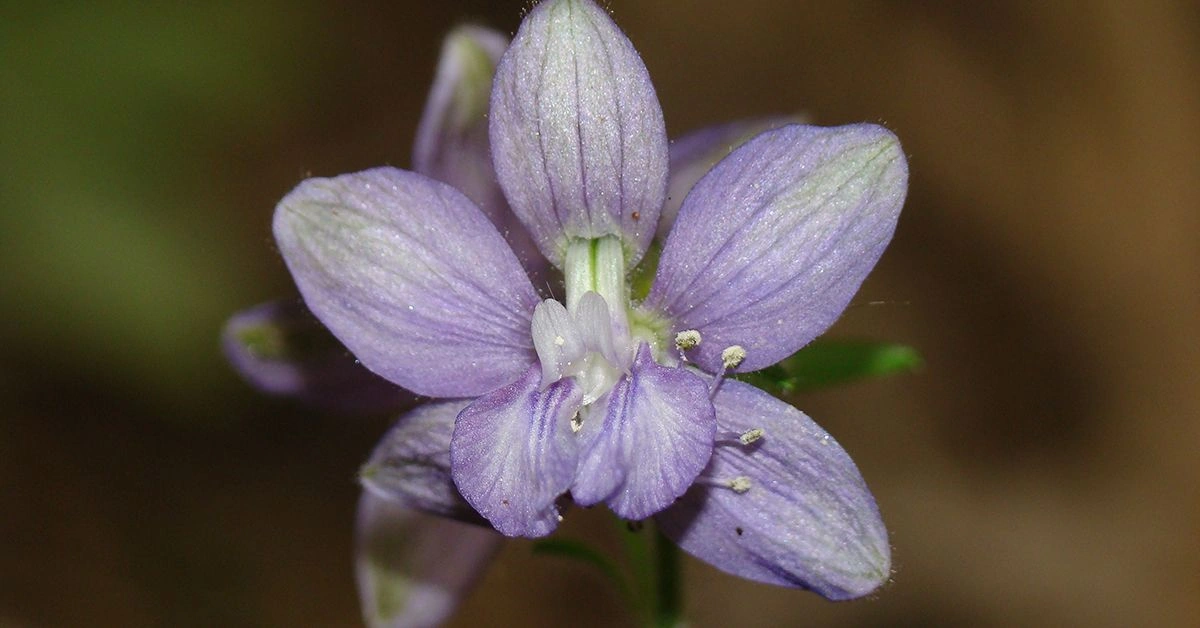
This homeopathic preparation is derived from a poisonous plant. Although it’s been promoted for treating cuts, surgical incisions, mood disturbances, and urinary tract infections, there’s very limited human research demonstrating meaningful health benefits.
Staphysagria is a homeopathic product produced from the stavesacre plant.
It’s applied for a variety of issues but is most commonly suggested to ease pain, support healing of cuts and surgical wounds, and potentially aid with depression or urinary tract infections (UTIs).
However, contemporary clinical evidence supporting staphysagria’s effectiveness is scarce. The source plant is also toxic, and the Food and Drug Administration (FDA) warns about the use of such remedies. Moreover, although some homeopathic treatments are used outside conventional medicine, there’s little proof they perform better than placebos.
This article summarizes staphysagria, outlining its hypothesized benefits, drawbacks, and the evidence for its use.
What is staphysagria?
Staphysagria is most often promoted as a homeopathic option for surgical wounds and lacerations. It’s also used for anxiety, dental issues, and genitourinary complaints that affect urinary and reproductive organs.
The remedy is prepared from minute quantities of the Staphisagria macrosperma plant, commonly called stavesacre, previously classified as Delphinium staphisagria.
Every part of S. macrosperma is highly poisonous and should not be eaten.
Manufacturers state that the homeopathic product is extremely diluted, so when correctly made and used as directed it presents minimal risk.
The central idea of homeopathy is similarity — if large doses of the toxic S. macrosperma produce certain symptoms, then very small doses should help treat those same symptoms.
Some homeopathic practitioners hold that the more a remedy is diluted and shaken, the more potent it becomes for addressing the intended conditions.
Frequently, homeopathic remedies are so highly diluted that, at the molecular level, they are indistinguishable from the solvent used, typically water or alcohol.
It’s important to understand that homeopathy is contentious, and evidence that homeopathic preparations work beyond placebo is minimal.
Potential benefits
There is little robust evidence to back any of the claimed benefits of staphysagria.
Nevertheless, historically and in some animal and in vitro studies from the 20th century, staphysagria appeared to have possible applications:

- Cuts and surgical wounds: Because of suggested anti-inflammatory and analgesic properties, staphysagria is often recommended for lacerations and postoperative wounds. Yet, scientific proof supporting this is lacking.
- Immune system: Some older work reported that a protein extract from staphysagria might support immune function, but that study had limitations and was not corroborated by further research.
- Depression: In a 2020 animal study, researchers observed that staphysagria could alleviate depressive-like behavior in rodents comparably to the antidepressant escitalopram, but this effect has not been demonstrated in people. A 2021 case report suggested potential benefit for treatment-resistant depression, but its findings have not been verified in larger clinical trials.
- UTIs: Staphysagria has been used by some to address urinary tract infections, but modern evidence does not support this. A small 1974 study indicated staphysagria might reduce bladder inflammation after intercourse, while a small 2018 in vitro study found it did not prevent the growth or spread of UTI-causing bacteria.
- Hair loss: A 2016 laboratory study reported that staphysagria seeds may stimulate hair growth in vitro, but no additional studies have confirmed that effect.
Always discuss any alternative treatments with your healthcare provider before using them to manage medical concerns.
Downsides
The staphysagria plant itself is poisonous, and supportive evidence for therapeutic use is lacking. Producers and advocates maintain that properly prepared, heavily diluted remedies should be essentially harmless.
Another major drawback is the scant scientific backing for staphysagria’s marketed uses, including the common claim that it promotes healing of surgical wounds or cuts.
Forms and dosage
Homeopathic products, staphysagria included, are typically sold as small pellets designed to dissolve under the tongue.
Common potencies include 6C and 30C, which contain negligible — if any — quantities of the original staphysagria substance.
The “C” denotes centesimal dilution (a 1:100 dilution), and the number indicates how many times that dilution step is repeated. For example:
- A 1C dilution (rare) is 1 part active ingredient diluted into 100 parts water or alcohol.
- A 2C dilution is 1 part of the 1C solution diluted into 100 parts solvent, repeated twice.
- A 1M dilution corresponds to 1,000C.
The takeaway
Staphysagria is a homeopathic preparation derived from the toxic S. macrosperma plant.
Although there’s little human evidence to substantiate the rationale for this remedy, it has historically been used for wounds, cuts, and sometimes for UTIs.
No products labeled as homeopathic are FDA-approved, which means items marketed as such, including staphysagria, may not adhere to modern standards for safety, efficacy, and quality.



















Leave a Reply
You must be logged in to post a comment.