Is Coconut Kefir the New Superfood?

Background on kefir
Kefir, a fermented drink steeped in history, has been written about for centuries. Marco Polo mentioned kefir in his travel journals, and traditional kefir grains are often said to have been bestowed as a gift by the Prophet Mohammed.
One of the more colorful stories involves Irina Sakharova, the Russian beauty allegedly tasked with enticing the kefir secret from a Caucasus prince.
Today, kefir is enjoyed globally as a refreshing, health-promoting beverage. A newer variation, coconut kefir, is promoted as amplifying the benefits of classic kefir by merging probiotic advantages with the nourishing properties and pleasant taste of coconut water.
What is traditional kefir?

Historically, kefir is produced by fermenting cow, goat, or sheep milk with kefir grains. Despite their name, kefir grains are not true cereal grains but a composite of:
- lactic acid bacteria (found in plants, animals, and soil)
- yeasts
- proteins
- lipids (fats)
- sugars
These components create a gelatinous matrix. They are living cultures, akin to a sourdough starter, that induce fermentation when mixed with milk or coconut water—much like yogurt, sour cream, or buttermilk do.
What is coconut water?

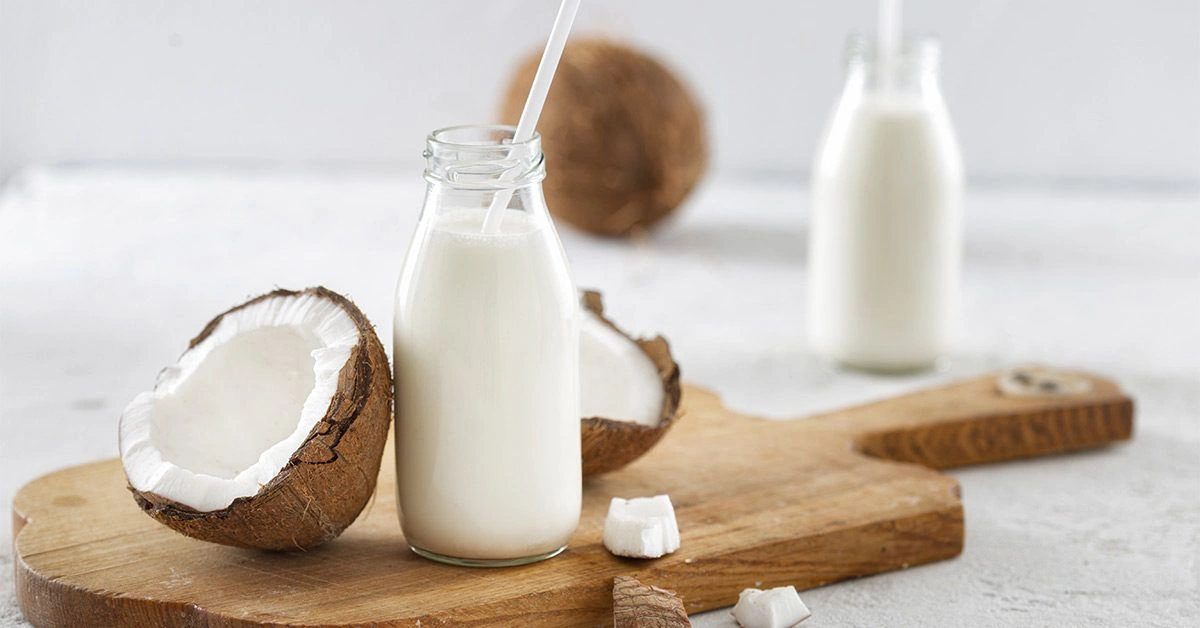
Coconut water is the clear or slightly cloudy liquid found inside a green coconut. It differs from coconut milk, which is produced by pressing grated coconut flesh from a mature brown coconut.
Coconut water provides potassium, carbohydrates, some protein, minerals, and vitamins. It’s low in fat and contains no cholesterol.
It also supplies electrolytes—minerals essential for cellular function. Replenishing electrolytes is critical after losses due to sweating, vomiting, or diarrhea.
In exceptional circumstances, pure coconut water has even been used as an intravenous fluid to hydrate seriously ill patients in remote settings with limited medical supplies.
Benefits of coconut kefir

Coconut kefir is made by fermenting coconut water with kefir grains. Like dairy-based kefir, it nourishes beneficial gut bacteria. These friendly microbes combat harmful bacteria, support digestion, and bolster immune defenses.
All the nutrients found in coconut water remain in coconut kefir. A potential downside: coconut kefir tends to be higher in sodium than some other kefir varieties, and a large portion of its calories can come from sugars. Nonetheless, coconut water kefir offers noteworthy nutritional and health perks.
Rich in potassium
Coconut water kefir supplies potassium in amounts comparable to a banana. Potassium can help protect bone mineral density and lower the risk of osteoporosis.
A study suggests that higher dietary potassium is linked to a reduced stroke risk and lower all-cause mortality in older women. Another study indicates potassium may defend men against stroke.
Probiotic properties
Probiotics are living bacteria or yeast that inhabit your gut. Their presence can deter harmful microbes from colonizing the intestines. Probiotics assist digestion and help sustain a healthy intestinal pH.
An article in Nutrition in Clinical Practice notes evidence that probiotics may help prevent or treat various conditions, including:
- diarrhea
- urinary tract infections
- respiratory infections
- bacterial vaginal infections
- certain aspects of inflammatory bowel disease
Generally well tolerated
Because it contains no dairy, coconut water kefir is a suitable option for people who are lactose intolerant. It’s also naturally gluten-free, making it appropriate for individuals with celiac disease or gluten sensitivity.
How to make your own
Coconut kefir is a flavorful and wholesome beverage. It’s available in many stores, particularly those that focus on natural foods, but you can also prepare it at home.
The process is simple: mix a portion of kefir grains with the water from four green coconuts. Let the blend rest for roughly 24 hours until the liquid becomes slightly more opaque and shows bubbles on the surface.
Whether store-bought or homemade, coconut kefir is worth considering for its potential health advantages.
Frequently Asked Questions
Coconut kefir is a fermented beverage made by culturing coconut water with kefir grains, yielding a probiotic-rich, slightly tangy drink that’s dairy-free.
Yes. Fermentation with kefir grains introduces beneficial bacteria and yeasts that can support gut health and help maintain a balanced intestinal microbiome.
Yes. Because it’s made from coconut water, coconut kefir retains significant potassium levels similar to those found in bananas, supporting electrolyte balance.
Yes. Coconut kefir contains no dairy, making it suitable for those who are lactose intolerant or who avoid animal milk products.
Mix kefir grains with the water from green coconuts (roughly four coconuts per batch) and let it ferment about 24 hours until slightly opaque and bubbly, then strain and refrigerate.
Read Next

Dieta cetogénica: Una guía detallada para principiantes sobre la dieta cetogénica

Olives 101: Nutrition Facts and Health Benefits

8 Surprising Health Benefits of Cloves

Silver Cuisine Meal Delivery for Older Adults: A Complete Review
9 Powerful Health Benefits of Cumin
6 Nutritious Benefits of Eating Cantaloupe
Related Posts
The 10 Best Low Carb and Keto-Friendly Protein Powders
Sep 30, 2026 • 7 min read
Raisins vs. Sultanas vs. Currants: What’s the Difference?
Aug 18, 2026 • 7 min read
Spinach 101: Nutrition Facts and Health Benefits
Aug 25, 2026 • 18 min read
What Is Free-Range Chicken?
Sep 3, 2026 • 15 min read
What Is Tamarind? A Tropical Fruit with Health Benefits
Sep 3, 2026 • 22 min read