How to Reduce the Appearance of 'Man Boobs' with Exercise and Diet

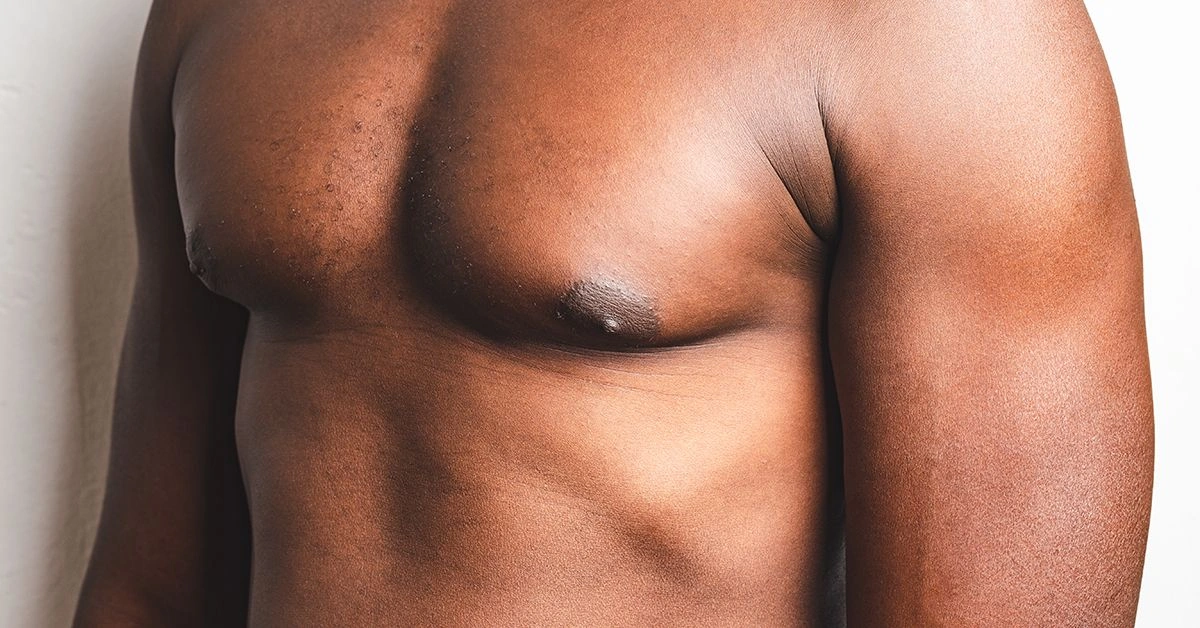
Cisgender men and people assigned male at birth (AMAB) can develop enlarged breast tissue for several reasons. Targeted workouts combined with dietary adjustments can help reduce excess fatty tissue.
Enlarged male breasts are commonly called gynecomastia. Gynecomastia arises from hormonal shifts during puberty, aging, or other medical issues. Certain medications can also contribute to the condition.
Finding and addressing the root cause is the initial step in reducing hormone-driven enlargement. Once you’ve established a treatment plan with a qualified healthcare provider, you can pursue a more focused strategy.
When breast enlargement is not due to an illness or medicines, it’s referred to as pseudogynecomastia. Pseudogynecomastia — enlargement driven by fat — can often be improved through exercise and dietary changes.
Chest-focused exercises
If your goal is weight loss, consistent aerobic activity can be beneficial. Although you cannot force fat loss from only one area, you can strengthen the muscles beneath the fat to improve appearance.
Push-ups provide a solid chest routine you can do at home, or you can use machines and free weights at a gym for more variety.
Before trying unfamiliar equipment, ask gym personnel to demonstrate proper use. Correct technique is crucial — it makes movements more effective and reduces injury risk.
Try these three chest-centered exercises at the gym:
Barbell bench press

Place the barbell on the rack and position yourself to grip the bar with a medium-width hold.
- Lift the bar and hold it straight over your chest.
- Inhale as you lower the bar down to mid-chest.
- Exhale as you press the bar back to the start.
Lower the bar in about twice the time it takes to press it up. After finishing your set, safely return the bar to the rack.
Cable chest fly

Adjust the sliding pins to select the weight you’ll use before standing at the cable station.
- Stand between the cables with the handles set at or slightly above shoulder height.
- Grip a handle in each hand and step forward with one foot. Your arms should be extended out to the sides.
- Slightly bend the elbows and use your pectoral muscles to bring the handles together in front of you.
- Hold briefly, then slowly return to the starting position.
Keep a slight bend in the elbows and maintain an arched back to emphasize the chest rather than the shoulders.
Bent-forward cable crossovers

Choose equal weights on both sides of the cable apparatus before beginning.
- Stand between the cables and grasp the handles with palms facing down.
- Hinge at the hips so your torso is angled forward (keep a flat back) so the cables align with your chest.
- Exhale as you press your arms down and inward, crossing them toward each other.
- Inhale as you slowly return to the start.
Diet strategies to support healthy weight reduction
Before altering your diet, consider keeping a food log to understand your current eating patterns.
Use that information to reduce or eliminate calorie-dense, nutrient-poor items such as sugary drinks, candy, and other sweets.
Favoring whole, plant-forward foods when possible is a useful guideline. It can help to focus on additions to your meals rather than strict prohibitions.
Fruits and vegetables tend to be lower in calories and richer in nutrients, allowing you to consume larger portions without overshooting your calorie goals.
The following snacks, for instance, contain under 110 calories each:
- medium apple
- medium banana
- cup of steamed green beans
- cup of blueberries
- cup of grapes
- cup of carrots, broccoli, or bell peppers with two tablespoons of hummus
You may be tempted by supplements that claim rapid weight loss, but many of these products lack FDA testing and may be unsafe or ineffective.
Check with a doctor or other healthcare professional before introducing supplements into your routine.
Final thoughts
Prioritize full-body resistance training with an emphasis on chest movements to build muscle and enhance definition. Because spot reduction isn’t possible, combine this with regular cardio to support total body fat loss.
Complement exercise with a balanced diet featuring lean proteins, healthy fats, and fiber-rich carbohydrates to fuel activity and aid recovery.
Consistent attention to exercise and nutrition can help lower surplus fat while increasing muscle tone in the chest and upper body.
Frequently Asked Questions
Enlarged male breasts can result from hormonal shifts (gynecomastia), certain medications, aging, or excess fat accumulation (pseudogynecomastia). A healthcare provider can help identify the underlying cause.
Exercise, especially chest-focused resistance training combined with overall cardio, can improve muscle tone and reduce body fat, but spot reduction isn’t possible. Pairing exercise with diet changes yields better results.
Compound and chest-focused moves like barbell bench presses, cable chest flys, bent-over cable crossovers, and push-ups help build the pectoral muscles and improve chest appearance when combined with overall fat loss.
Reduce calorie-dense, nutrient-poor foods and favor whole, plant-forward options. Track intake, prioritize lean protein, healthy fats, fiber-rich carbs, and choose lower-calorie snacks like fruit and vegetables.
Consult a healthcare provider if breast enlargement is sudden, painful, accompanied by other symptoms, or if medications or hormonal issues might be involved. A clinician can evaluate causes and treatment options.
Read Next


Related Posts
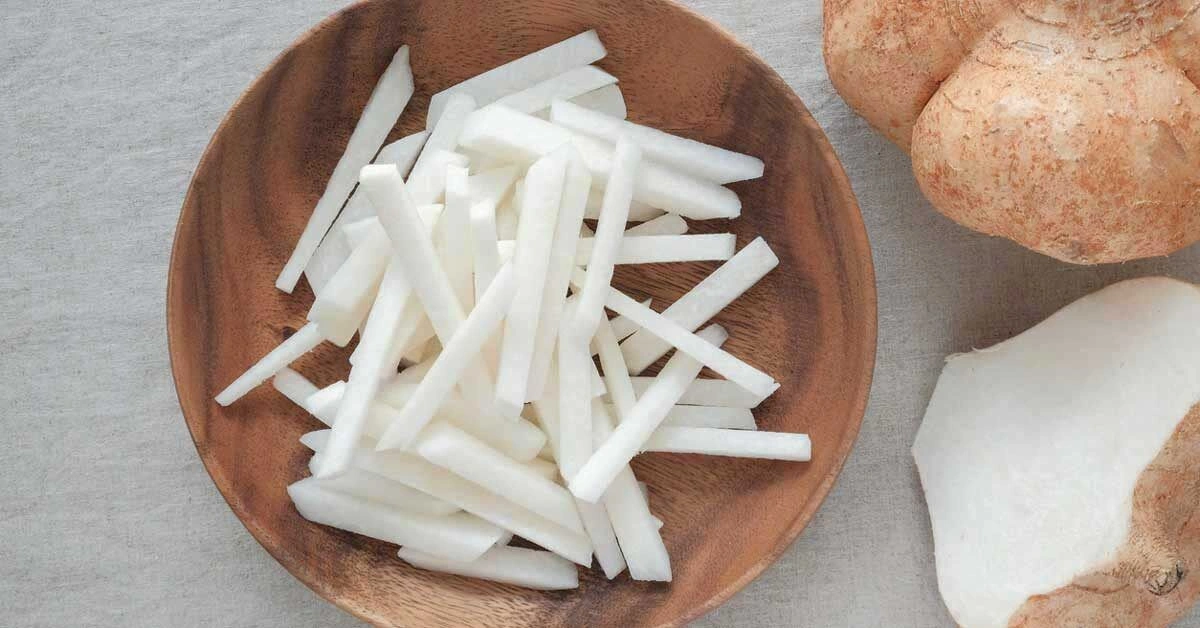
8 Health and Nutrition Benefits of Jicama
Aug 10, 2026 • 11 min read
Does Medicare Cover Echocardiograms (ECG)?
Sep 11, 2026 • 18 min read
What’s the Best Antiseptic for Open Wounds? Iodine, Peroxides, and More
Aug 15, 2026 • 3 min read
Low Sodium Frozen Meals: The Best Brands and 21 Dietitian-Approved Options
Sep 15, 2026 • 34 min read
Side Effects of Trulicity: What You Need to Know
Aug 16, 2026 • 22 min read