Carob Powder: 9 Nutrition Facts and Health Benefits

Introduction
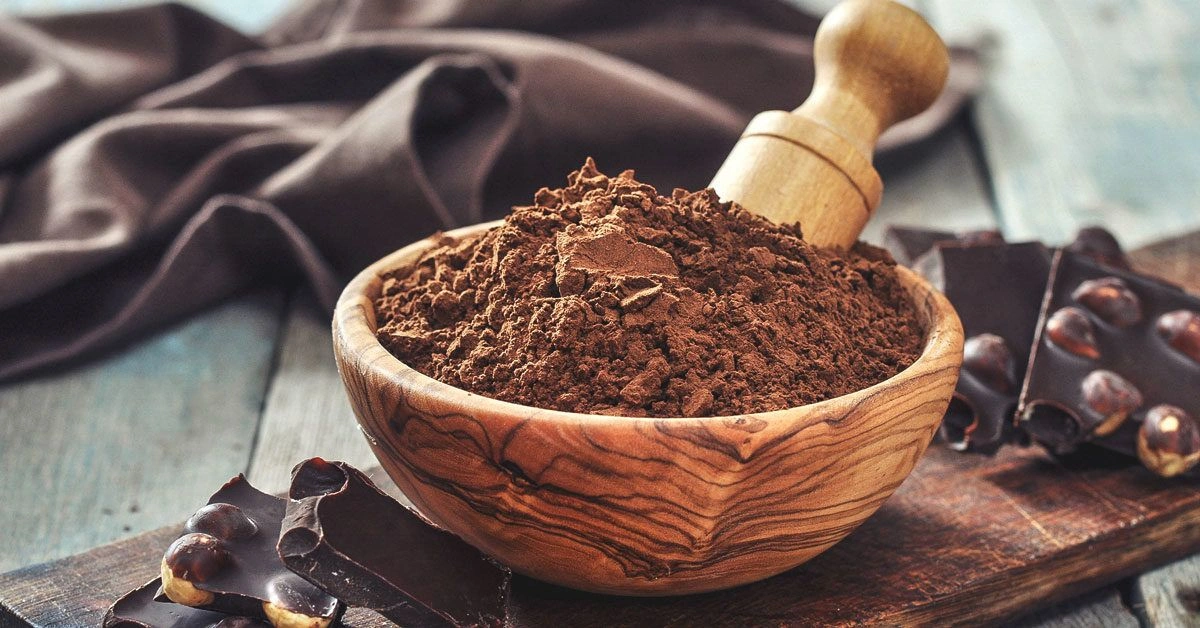
Carob powder, sometimes referred to as carob flour, serves as an alternative to cocoa powder.
It’s produced from dried, roasted pods of the carob tree and resembles cocoa powder in appearance. Often used as a natural sweetener in baking, carob powder has a sweet profile and a distinctive flavor.
Continue reading to discover the nutritional profile and potential health advantages of carob powder.

Nutrition Facts
Carob Powder, 2 tablespoons
| Amount | |
| Sugar | 6 g |
| Sodium | 0 g |
| Calcium | 42 mg |
| Fiber | 5 g |
| Iron | 0.35 g |
| Magnesium | 6 mg |
| Potassium | 99 mg |
| Riboflavin | 0.055 mg |
| Niacin | 0.228 mg |
1. Naturally low-fat
Carob powder is almost entirely fat-free. If you’re following a low-fat regimen, carob powder can be a suitable choice. Bear in mind, however, that it contains more sugar and carbohydrates compared with cocoa powder.
Two tablespoons of carob powder supply 6 grams of sugar, roughly 1.5 teaspoons. Since many baking recipes call for up to 1 cup of carob powder, the sugar content can escalate quickly. Still, replacing chocolate chips with carob can reduce fat and calorie intake.
One cup of carob powder contains 51 grams of sugar and under 1 gram of fat. By contrast, one cup of semisweet chocolate chips contains 92 grams of sugar and 50 grams of fat.
| 1 cup of carob powder | 1 cup of chocolate chips | |
| Sugar | 51 g | 92 g |
| Fat | <1 g | 50 g |
2. Low in sodium
The Mayo Clinic states the typical American consumes about 3,400 mg of sodium each day, which exceeds the recommended limit of 2,300 mg. The American Heart Association suggests an even lower target of 1,500 mg daily.
Excess sodium intake can raise the likelihood of:
- high blood pressure
- heart attack
- stroke
- osteoporosis
- kidney issues
Carob powder contains zero sodium, making it an excellent pick for those on a low-sodium eating plan.
3. Contains calcium, but no oxalates
Calcium is an essential mineral necessary for bone strength and supports heart, nerve, and muscle function. Two tablespoons of carob powder provide 42 mg of calcium, which is about 4 percent of the RDA.
Cocoa contains oxalates, substances that can hinder calcium absorption and may raise the risk of kidney stones when consumed in large amounts. Carob powder is free of oxalates.
4. High in fiber
Two tablespoons of carob powder deliver nearly 5 grams of fiber, more than 20 percent of the RDA. Dietary fiber helps:
- keep you feeling full longer, which can aid in eating less
- prevent constipation
- support regular bowel movements
- stabilize blood sugar
- lower cholesterol
A 2010 study discovered that antioxidant polyphenols in carob’s insoluble fiber reduced total and LDL (bad) cholesterol in individuals with elevated cholesterol.
In 2 tablespoons of carob powder, you’ll also find:
| Iron | 0.35 mg |
| Magnesium | 6 mg |
| Potassium | 99 mg |
| Riboflavin | 0.055 mg |
| Niacin | 0.228 mg |
5. Gluten-free
Gluten is a protein present in wheat, barley, rye, and triticale. For certain people, gluten provokes an immune response that damages the small intestine — a condition known as celiac disease. If you have celiac disease or non-celiac gluten sensitivity, you must avoid gluten-containing foods. Carob powder is naturally gluten-free.
6. Helps relieve diarrhea
Because it contains tannins, carob powder has been used traditionally to treat diarrhea. Tannins are plant polyphenols. Research indicates that giving tannin-rich carob powder along with an oral rehydration solution is a safe and effective approach to treat acute diarrhea in infants aged 3 to 21 months.
7. Caffeine-free
Caffeine can boost alertness, but excess intake may lead to unwanted effects such as:
- insomnia
- rapid heartbeat
- anxiety
- irritability
- stomach upset
- muscle tremors
Carob powder contains no caffeine, which is beneficial for those sensitive to caffeine who want a chocolate-like substitute.
8. Good source of antioxidants
A 2003 study reported that carob fiber is rich in polyphenol antioxidants, identifying 24 polyphenolic compounds in carob fiber, mainly gallic acid and various flavonoids. Both gallic acid and flavonoids have been associated with reduced oxidative stress.
Gallic acid has been shown to neutralize free radicals and exhibit activity against cancer cells. Flavonoids have demonstrated anti-inflammatory, anticancer, antidiabetic, and neuroprotective effects.
9. Free of tyramine
Tyramine is a breakdown product of the amino acid tyrosine. The National Headache Foundation notes that tyramine-containing foods can trigger migraine attacks in susceptible individuals. Chocolate contains tyramine and may provoke migraines, whereas carob does not contain tyramine and is generally safe for people who experience migraines.
Ways to use carob
Here are practical ideas to incorporate carob powder into your meals:
- blend carob powder into smoothies
- sprinkle carob powder over yogurt or ice cream
- add carob powder to bread dough or pancake batter
- prepare a hot carob beverage in place of hot chocolate
- make silky carob pudding
- swap candy bars for carob bars made from carob powder and almond milk
- bake carob brownies
The bottom line
Carob powder is a nutritious alternative to cocoa powder, though minimally processed cocoa also offers some health perks. Because carob is naturally sweet, you often don’t need to add extra sugar when using it in recipes. Generally regarded as safe, carob is fine for most people, but pregnant women should avoid consuming it in very large amounts.
Concerned about pets raiding your sweet stash? Here’s a reassuring note: carob powder is pet-safe. It lacks the high levels of theobromine found in chocolate, which can be toxic to dogs and cats. Many dog treats use carob instead of chocolate, so you don’t need to panic if a pet samples some.
Recommended sodium intakeThe American Heart Association recommends 1,500 mg of sodium daily
Frequently Asked Questions
Carob powder is a ground product made from dried, roasted pods of the carob tree. It’s used as a naturally sweet, caffeine-free alternative to cocoa powder in baking and beverages.
Carob powder is lower in fat and caffeine-free, contains more natural sugar and higher fiber, and provides calcium without oxalates; cocoa has more fat and caffeine but also its own beneficial compounds.
Yes. Pure carob powder is naturally gluten-free, making it suitable for individuals with celiac disease or non-celiac gluten sensitivity, provided cross-contamination is avoided.
Carob powder is high in insoluble fiber and contains tannins; it has been used to help relieve diarrhea and to support regular bowel movements, though clinical use should follow medical guidance.
Yes. Unlike chocolate, carob lacks theobromine and is considered safe for dogs and cats, which is why many pet treats use carob instead of chocolate.

Related Posts

2025 Noom Diet Review: Follow Our Reviewer’s 12-Month Weight Loss Journey
Sep 17, 2026 • 11 min read
The 12 Best Casein Protein Powders
Oct 3, 2026 • 25 min read
Reviews of the Top Diabetes Cookbooks
Sep 26, 2026 • 34 min read
How Many Carbs Are in Various Types of Sausage?
Aug 5, 2026 • 14 min read
8 Health and Nutrition Benefits of Jicama
Aug 10, 2026 • 18 min read