Shea Butter for Your Face: Benefits and Uses

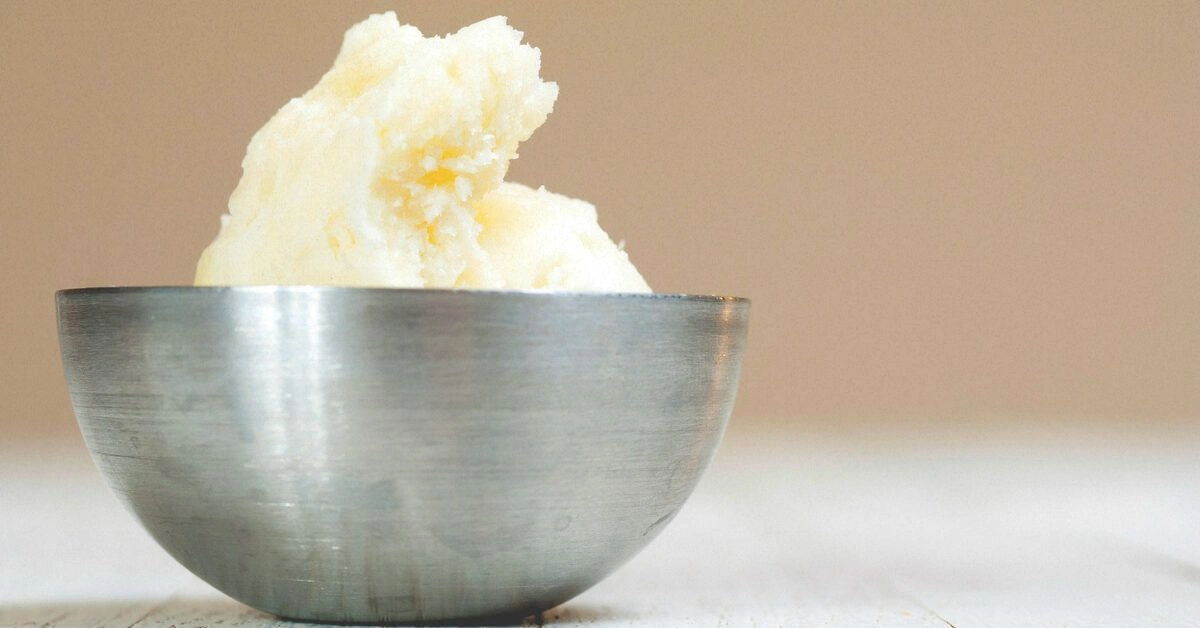
You can apply shea butter to your face in the morning or at night. As a well-established moisturizer, your skin may look smoother after using it. However, you could also notice breakouts after application.

Shea butter is a fat extracted from the nuts of the shea tree. It’s typically off-white or ivory in color and has a creamy texture that spreads easily across the skin. The majority of shea butter is sourced from shea trees in West Africa.
Its high levels of fatty acids and vitamins make shea butter a valuable cosmetic component for softening skin. It also possesses anti-inflammatory and reparative qualities. Applying shea butter to your body, particularly your face, can help condition, tone, and calm your skin.
Benefits of shea butter for your face
Anti-inflammatory and healing effects
Shea butter has demonstrated significant anti-inflammatory effects. Redness and swelling on your face may be reduced by using products containing shea butter.
Emollient action
The rich nut oils in shea butter can penetrate your skin, forming a smooth, soft layer that helps lock in moisture. This hydrating effect can persist for several hours.
Anti-aging potential
Shea butter has also been associated with anti-aging benefits. If these reports are accurate, the precise mechanism isn’t fully clarified and might involve stimulating collagen production or slowing the breakdown of existing collagen.
How to use shea butter on your face
The simplest way to use shea butter on your face is to buy a cream that contains shea butter from a health food shop, pharmacy, or online store.
You can apply shea butter directly to your face before bedtime. Incorporating a shea butter–based cream into your morning routine may require adjustment. The oils and fatty acids in shea butter can make it harder to apply makeup over it.
You can also prepare a facial mask using shea butter combined with a few other ingredients. Begin by cleansing your face with a cream cleanser or warm water.
To make your own mask, combine:
- 1 tbsp of raw honey
- 3 to 4 drops of grapeseed oil
- 1 tbsp of pure shea butter
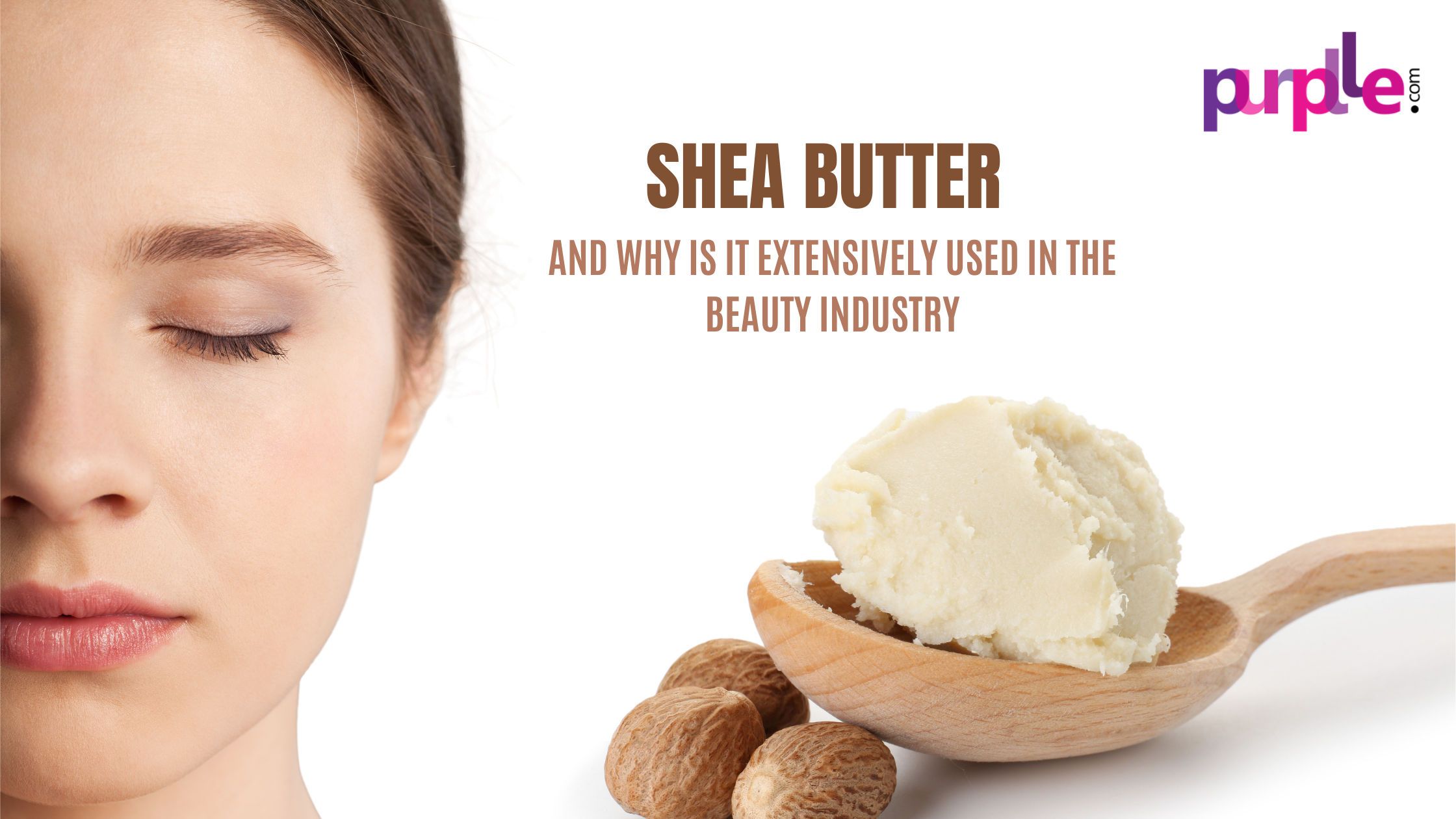
Mix thoroughly and spread evenly over your face. Leave the mask on for 10 to 12 minutes, then gently rinse your face with warm water and a soft washcloth for optimal results.
Be cautious with these facial masks as they may encourage acne if you are prone to breakouts.
Side effects and risks
Shea butter is a very low-risk topical ingredient. Allergic reactions to shea butter are uncommon.
Even individuals with tree nut allergies—the group that includes shea nuts—have a low probability of reacting to shea butter on their face. Researchers think this is because shea nuts contain minimal amounts of the tree-nut proteins that typically trigger allergies.
That said, there are some risks. Given shea butter’s consistency, it is likely to be comedogenic.
Some online sources state that shea butter is non-comedogenic or has a “low comedogenic rating.” It’s unclear what this assertion is based on, as supporting studies are lacking.
The American Academy of Dermatology acknowledges that shea butter can block pores and cause acne. This is particularly relevant if your skin is acne-prone.
Takeaway
Shea butter is an effective moisturizer for the skin. Many skincare products at different price points list shea butter as a primary ingredient.
Shea butter’s soothing and anti-aging characteristics may help skin appear smoother and reduce signs of aging.
However, applying pure shea butter to your face can cause breakouts. Even products with a smaller proportion of shea butter may trigger acne in some people.
Frequently Asked Questions
Shea butter is generally safe and well-tolerated; it soothes and hydrates skin. However, it can clog pores in acne-prone individuals, so patch testing is recommended.
Use shea butter once daily—typically at night—or as needed for dry areas. If it causes breakouts, reduce frequency or stop use.
Yes. Shea butter has anti-inflammatory properties that may reduce redness and calm irritated skin for many users.
Shea butter contains fatty acids and vitamins that can improve skin softness and may aid in maintaining skin elasticity, potentially helping with minor signs of aging.
Mix 1 tbsp pure shea butter with 1 tbsp raw honey and 3–4 drops grapeseed oil, apply for 10–12 minutes, then rinse. Stop use if you notice breakouts.



Related Posts

The Ultimate Skin Care Routine for Combination Skin
Sep 20, 2026 • 4 min read
Can You Use Face Mapping to Improve Your Skin’s Health?
Sep 20, 2026 • 27 min read
What’s the Difference Between THC Lotion and CBD Lotion?
Aug 13, 2026 • 28 min read
Are There Benefits to Using Almond Oil on Your Face?
Jul 30, 2026 • 16 min read
Thinking About a Septum Piercing? Here’s What to Expect
Aug 19, 2026 • 16 min read