Essential Oils for Sunburn

Can you use essential oils for a sunburn?
Spending time outdoors without adequate sun protection can result in a sunburn. Sunburns vary in intensity, though even mild cases can be quite uncomfortable.
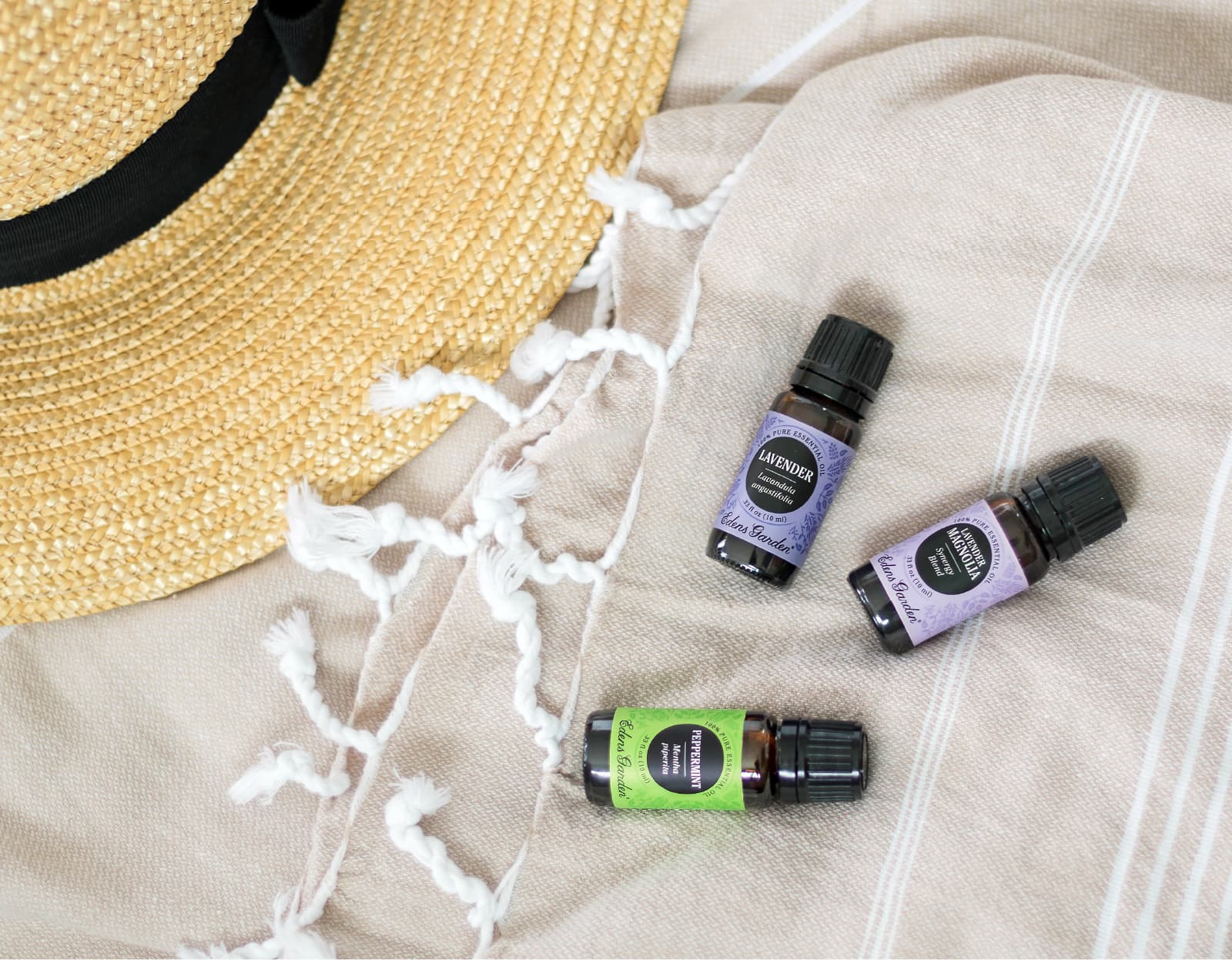
Essential oils have been promoted for various wellness advantages — including soothing and pain-relieving effects. Because of these claims, you might consider trying essential oils to ease a sunburn. It’s important to recognize, however, that solid scientific evidence proving they cure sunburns is limited, and additional research is needed.
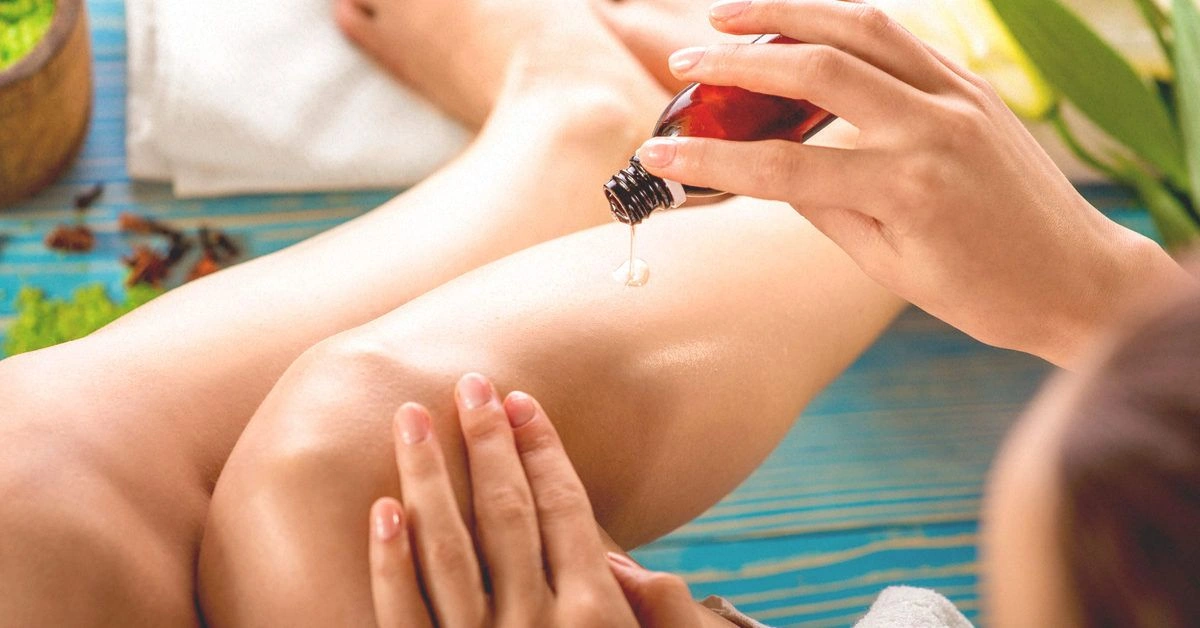
When working with essential oils, correct use is crucial. Never ingest essential oils. They are highly concentrated, so always dilute them before applying. You can thin them with:
- Water. Useful for dispersing oils into the air when using a diffuser.
- Carrier oils. These dilute oils for topical use and can be added to bath water. Unscented carrier oils that work well include avocado, almond, rosehip, and jojoba. Confirm an oil is safe for skin application before using it.
Roman chamomile
Roman chamomile essential oil can help ease sunburn discomfort. This is one of the two commonly used chamomile types, noted for its soothing properties. It’s often incorporated into aromatherapy blends, skincare items, and cosmetics. Try adding several drops to a cold bath to calm your sunburn or diffuse it to help relax your mind.
You can buy chamomile-containing lotions or the pure essential oil from stores and online.
Menthol
Menthol essential oil is known for its cooling sensation and might reduce pain and heat from a mild sunburn for a short time. Be sure to mix a small amount with a carrier oil or choose an OTC product that contains menthol. Stop use if you experience any irritation after applying the diluted oil.
Green tea
Green tea essential oil is rich in antioxidants and offers multiple benefits. It helps protect skin from ultraviolet (UV) damage and supports the skin’s recovery after sunburn. Applying a product with green tea oil aims to replenish antioxidants in your skin. These can penetrate deeper layers and may be helpful after sun exposure even without a clear sunburn.
Many over-the-counter products include green tea to address sun exposure and sunburn.
Lavender
Lavender essential oil offers several wellness effects. It’s recognized for lowering anxiety and providing pain relief. Mix it with a carrier oil and apply the blend to your skin to see if it eases your sunburn. Additionally, brief inhalation or diffusing lavender can help you relax while coping with sunburn discomfort.

Marigold
Marigold essential oil may benefit inflamed skin. The flower is valued for its antioxidant effects. A 2012 study also indicated it can shield skin from UV exposure.
Search for marigold oil in creams and lotions sold over the counter to help protect and soothe skin after sun exposure.
Tea tree oil
Tea tree oil is frequently used for various skin concerns. It’s known for its antibacterial and antifungal properties . Consult your healthcare provider about using tea tree oil if an infection develops following a severe sunburn.
Tea tree oil appears in some sunburn remedies and should only be used topically. Never ingest tea tree oil.
Risks and potential complications for using essential oils
Essential oils should be used with care. Keep in mind:
- Essential oils are potent, concentrated extracts of plants and must be diluted prior to use.
- There is limited scientific backing for using essential oils to treat health problems, and no standardized application guidelines exist. Their use is considered complementary and should be approached cautiously.
- The Food and Drug Administration (FDA) does not oversee the manufacture and marketing of essential oils, so quality is not guaranteed.
- Allergic or irritant reactions can occur. Stop use immediately if you notice irritation and contact your doctor. Always perform a patch test on a small skin area before applying to a sunburn.
- Essential oils may be unsafe for infants, children, and pregnant or breastfeeding individuals.
- Certain essential oils, especially those derived from citrus, can increase skin sensitivity to UV light.
Do not postpone medical care for moderate or severe sunburns. Seek medical attention for symptoms such as:
- extensive blistering
- a sunburn that fails to improve after several days
- a high fever
- severe headache
- persistent pain, chills, or weakness
If the sunburn worsens, contact your healthcare provider as it could be infected.
Takeaway and outlook
For a mild sunburn, you may look for ways to calm and comfort your skin. Using the essential oils mentioned above or products containing them can offer relief, but they should be used cautiously. These oils are available in over-the-counter items or can be applied after proper dilution of the pure oils.
Talk with your doctor about safe usage of these oils for treating sunburn. If the burn is severe, seek a medical evaluation rather than attempting home treatment.
Frequently Asked Questions
No. Essential oils are highly concentrated and should never be applied undiluted. Always mix them with a suitable carrier oil or use products formulated for topical use, and perform a patch test first.
Common options include lavender, Roman chamomile, green tea, marigold, menthol-containing oils, and tea tree oil. They may help soothe discomfort, reduce inflammation, or support skin recovery when used properly.
Yes. Risks include skin irritation, allergic reactions, increased photosensitivity (especially with citrus oils), and potential harm to infants, children, or pregnant individuals. Stop use if irritation occurs and consult a doctor for severe burns.
Dilute essential oils with a carrier oil such as jojoba, almond, avocado, or rosehip. Use a low concentration for damaged skin—often 0.5–1% (a few drops per ounce of carrier)—and always patch-test before wider use.
Seek medical attention for moderate to severe sunburns, extensive blistering, signs of infection, high fever, severe pain, or symptoms that do not improve after several days. Do not delay professional care.
Read Next

Green Tea for Hair: A Complete Guide

Thinking About a Septum Piercing? Here’s What to Expect
Proper Dosage for Botox Treatment on the Forehead, Eyes, and Glabella
Are There Benefits to Using Almond Oil on Your Face?

Is Microblading Your Eyebrows Painful?
The 8 Best Eco-friendly Razors for a More Sustainable Shave
Related Posts

The Ultimate Skin Care Routine for Combination Skin
Sep 20, 2026 • 27 min read
Can You Use Face Mapping to Improve Your Skin’s Health?
Sep 20, 2026 • 27 min read
Does Flaxseed Really Work for Beautiful Hair?
Aug 4, 2026 • 25 min read
About Prickly Pear Seed Oil
Aug 17, 2026 • 20 min read
Everything You Need to Know About Glycerin Soap
Aug 3, 2026 • 20 min read