10 Delicious Herbs and Spices with Science-Backed Health Benefits

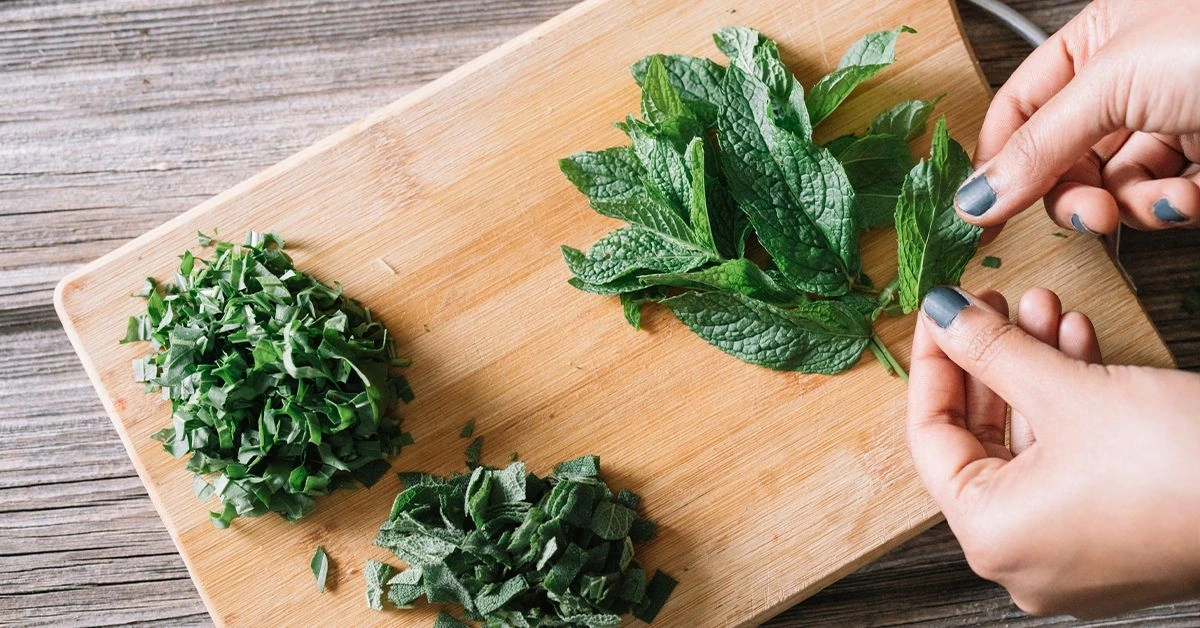
Herbs and spices have been prized for ages for both their culinary appeal and therapeutic qualities. Contemporary studies have uncovered evidence supporting a wide range of health advantages.
This piece summarizes 10 flavorful herbs and spices from across the globe and outlines how they might support your wellbeing. Each claimed benefit is supported by scientific research.
1. Cinnamon
Cinnamon is a widely used spice in many dishes and baked treats. It is abundant in antioxidants and other beneficial constituents. The molecule cinnamaldehyde accounts for much of cinnamon’s medicinal actions.
Research indicates that cinnamon may help shield against cardiovascular disease and lessen inflammation. Its strong antioxidant activity combats inflammation and has been shown to reduce cholesterol and triglyceride levels in the bloodstream.
A 2020 trial reported that cinnamon can markedly raise antioxidant concentrations in blood while lowering inflammatory markers like C-reactive protein.
An earlier 2015 investigation validated cinnamon’s potent anti-inflammatory effects and suggested it could be useful for treating age-related inflammatory disorders.
Cinnamon is also widely recognized for its blood-sugar-lowering actions.
It can reduce blood glucose through mechanisms such as slowing carbohydrate breakdown in the gut and enhancing insulin sensitivity . Trials have additionally shown that cinnamon can decrease fasting blood glucose in individuals with type 2 diabetes.
The advised intake is 1 to 6 grams, roughly 0.5 to 2 teaspoons of cinnamon per day .
Read more about the numerous health advantages of cinnamon.
Bottom line
Evidence suggests cinnamon may aid blood sugar control, guard against heart disease, and reduce inflammation.
2. Sage
Sage derives its name from the Latin Salvere, meaning “to save.”
It enjoyed a reputation for healing in the Middle Ages and was even employed as a preventive measure against the plague.
Early research suggests sage may be able to enhance cognitive performance and memory , both in healthy individuals and in people with Alzheimer’s disease. Nonetheless, additional studies are necessary.
Alzheimer’s is linked to a reduction in acetylcholine, a key brain neurotransmitter. Sage inhibits acetylcholine breakdown . Researchers emphasize that further investigation is warranted.
Bottom line
There is encouraging evidence that sage extracts can boost cognition and memory function, particularly in those with Alzheimer’s disease.
3. Peppermint
Peppermint has a long-standing role in traditional medicine and aromatherapy. Like many herbs, its essential oil contains the active compounds responsible for its effects.
A 2024 study reported that peppermint oil can aid pain control in irritable bowel syndrome (IBS). A 2022 trial also found peppermint oil outperformed placebo for IBS treatment, although researchers called for further research.
It likely works by relaxing smooth muscle in the colon, easing pain associated with bowel movements. It also helps to reduce abdominal bloating , a common digestive complaint.
Some studies indicate peppermint aromatherapy can help counteract nausea.
Bottom line
Peppermint essential oil may ease pain for people with IBS and can have strong anti-nausea effects when inhaled.
Discuss use of this oil with your physician if you’re considering it as part of IBS management.
4. Turmeric and Curcumin
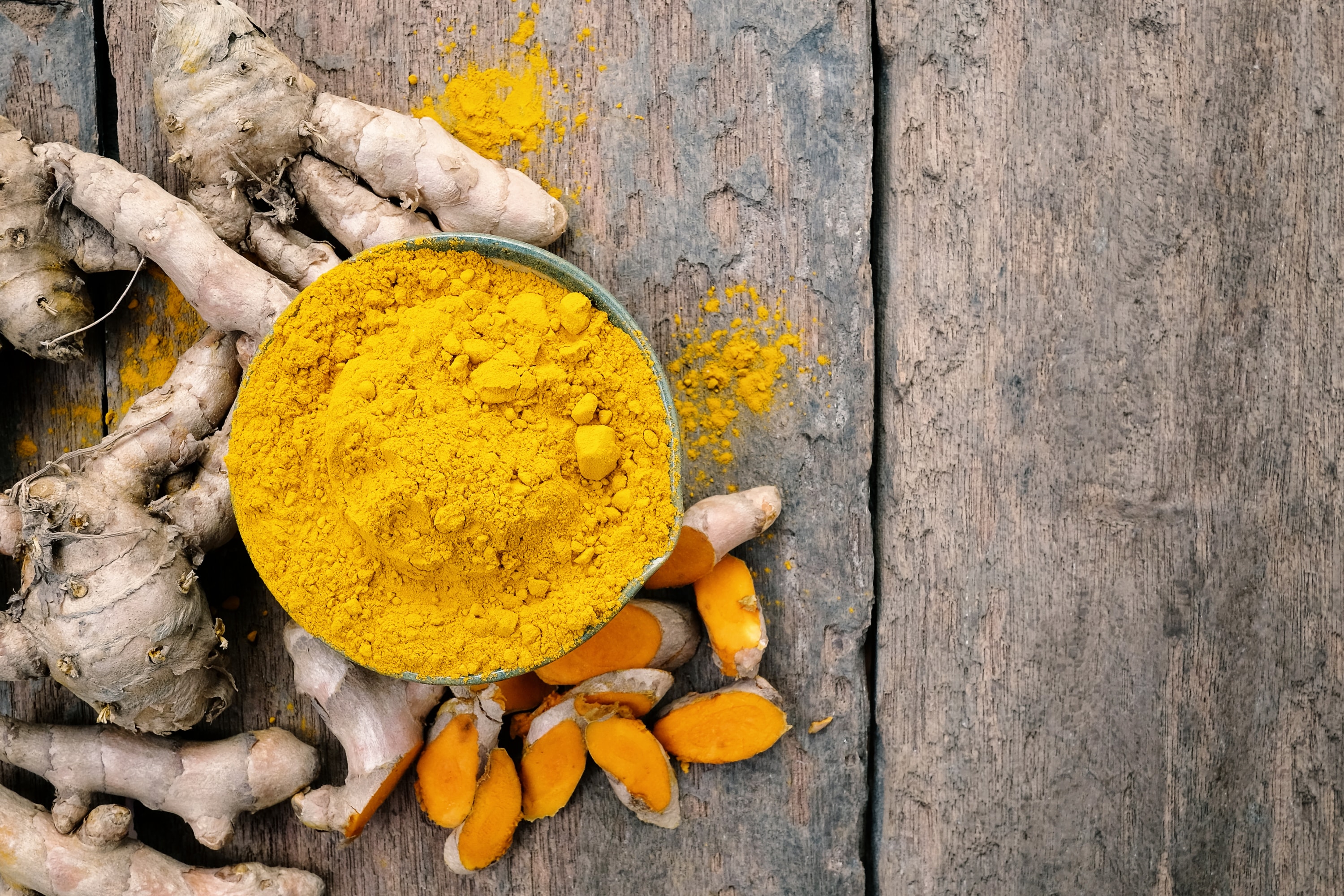
Turmeric is the spice that lends curry its vibrant yellow hue.
It contains multiple medicinal compounds, the most notable being curcumin .
Curcumin is an exceptionally potent antioxidant, combating oxidative injury and enhancing the body’s own antioxidant defenses.
This matters because oxidative damage is believed to underlie aging and many diseases.
Curcumin is also a powerful anti-inflammatory , to the extent that it may rival some anti-inflammatory medications.
Given that chronic, low-grade inflammation is central to most chronic Western illnesses, it’s not surprising curcumin is associated with many health benefits.
Studies (linked below) indicate it may:
- enhance short-term memory
- help combat Alzheimer’s disease
- lower heart disease risk
- alleviate arthritis symptoms
Read more about the remarkable health effects of turmeric/curcumin.
Bottom line
Research shows curcumin, turmeric’s active component, may offer substantial benefits across many health areas, including arthritis relief, cardiovascular protection, and cognitive support.
5. Holy Basil
In India, holy basil is revered as a sacred plant and should not be conflated with common or Thai basil.
A 2024 study identified eugenol, present in holy basil essential oil, as potentially beneficial for treating hypertension. That research also found holy basil oils and phytochemicals exhibited antimicrobial effects against numerous Gram-negative and Gram-positive bacteria, yeast, and molds.
Another 2024 paper reported that holy basil extracts may:
- bolster antioxidant defenses and immune response
- decrease blood glucose and LDL cholesterol
- lessen inflammation
- improve blood pressure
Bottom line
Holy basil seems to enhance immune function, lower blood sugar, and hinder growth of bacteria, yeasts, and molds.
6. Cayenne Pepper
Cayenne pepper is a variety of chili used to add heat to recipes.
Its active compound, capsaicin, has been shown to suppress appetite and increase fat oxidation in several studies.
Because of these effects, capsaicin is frequently included in commercial weight-loss formulations.
A 2022 review also suggested capsaicin may offer protection against certain cancers, although additional research is required to fully understand its anticancer capacity.
Bottom line
Cayenne is rich in capsaicin, which can curb appetite and boost fat burning. Recent research has also noted potential anti-cancer properties.
7. Ginger
Ginger is a commonly used spice in various traditional medicine systems.
Consistent evidence shows that 1 to 1.5 grams of ginger can effectively relieve nausea .
This includes nausea from morning sickness, chemotherapy, and motion sickness .
A 2022 study also reported that ginger has multiple biological activities, including antioxidant and anti-inflammatory effects, and that ginger compounds may help mitigate symptoms of inflammatory conditions such as lupus, rheumatoid arthritis, and psoriasis.
A 2023 animal study found that ginger’s anti-inflammatory and bioactive constituents benefited osteoarthritis in mice, though human trials are needed to confirm these findings.
Bottom line
About 1 gram of ginger seems effective for many forms of nausea. It also offers anti-inflammatory benefits and may ease inflammatory pain.
Pregnant individuals or those receiving chemotherapy should consult their physician before using ginger for nausea relief.
8. Fenugreek
Fenugreek has a long-standing role in Ayurvedic medicine, traditionally used to boost libido and masculine vigor.
Although its effects on testosterone are mixed, a 2024 study found fenugreek can lower blood glucose by acting on various molecules, receptors, and membranes.
The research also indicated fenugreek may decrease oxidative stress and lipoprotein levels, factors that contribute to its antidiabetic effects.
Bottom line
Fenugreek has demonstrated the ability to improve insulin sensitivity, resulting in notable reductions in blood glucose.
9. Rosemary
Rosemary’s primary active compound is rosmarinic acid. This molecule has been shown to dampen allergic reactions and nasal congestion.
A 2020 in vitro study of rosmarinic acid found a broad spectrum of pharmacological actions, including:
- antioxidant (protecting cells from free radical damage)
- anti-apoptotic (preventing cell death)
- anti-tumorigenic (inhibiting tumor development)
- anti-inflammatory (reducing bodily inflammation)
A 2022 study in rodents showed rosmarinic acid might alleviate allergic symptoms in animals exposed to PM2.5 particulates (fine particles from pollution). Human studies are needed to verify this effect.
Bottom line
Rosmarinic acid in rosemary exhibits anti-inflammatory and antioxidant activities and may help reduce allergy symptoms.
10. Garlic
Historically, garlic has been used primarily for its medicinal value.
Many of garlic’s effects are attributed to allicin, the compound responsible for its distinctive odor.
A 2014 trial suggested garlic’s antimicrobial and antiviral properties may help prevent the common cold. Participants who took garlic for 12 weeks had fewer colds than those who took a placebo.
A more recent 2020 study reported that garlic and its active constituents have notable antiviral effects and could be used to help prevent viral infections.
There is also evidence that garlic can benefit cardiovascular health. A 2016 review found garlic supplements lowered blood pressure by 7–16 mm Hg systolic and 5–9 mm Hg diastolic, with the strongest effects seen in studies using aged garlic extract.
Researchers concluded garlic supplementation may offer cardiovascular protection by reducing risk factors like hypertension, total cholesterol, and markers associated with atherosclerosis.
More research is necessary to further evaluate garlic’s heart health effects.
Read more about the health benefits of garlic.
Frequently Asked Questions
The article lists cinnamon, sage, peppermint, turmeric (curcumin), holy basil, cayenne pepper, ginger, fenugreek, rosemary, and garlic as the top 10 healthy herbs and spices with science-backed benefits.
They offer diverse benefits: anti-inflammatory and antioxidant effects, blood sugar regulation, digestive relief, cardiovascular support, antimicrobial actions, and potential cognitive and immune benefits.
Most are safe when used in culinary amounts, but higher supplemental doses can interact with medications or cause side effects. Pregnant people, those on blood thinners, or with medical conditions should consult a healthcare provider.
Use spices in cooking, add fresh herbs to salads or sauces, brew herbal teas, incorporate powdered forms into smoothies or oatmeal, and try small culinary experiments like turmeric golden milk or garlic-rosemary roast vegetables.
Supplements can provide concentrated doses (e.g., curcumin extracts) and may be useful in specific cases, but whole-food forms offer additional nutrients and are generally recommended unless a clinician advises a supplement.
Read Next

Club Soda, Seltzer, Sparkling Water, and Tonic Water: A Comparison

What You Need to Know About a Full Liquid Diet

How Many Calories Are in an Egg?

Is Cheesecake Healthy? Nutrition and Recipe Tips

Is Sour Cream Healthy? Nutrients and Benefits
Silver Cuisine Meal Delivery for Older Adults: A Complete Review
Related Posts
Spinach 101: Nutrition Facts and Health Benefits
Aug 25, 2026 • 10 min read
What’s the Benefit of Poppyseed Oil?
Aug 25, 2026 • 16 min read
8 Surprising Health Benefits of Cloves
Jul 30, 2026 • 25 min read
What Is Annatto? Uses, Benefits, and Side Effects
Aug 8, 2026 • 4 min read
What Causes Love Handles and How To Get Rid of Them
Sep 20, 2026 • 17 min read