6 Natural Beauty Oils for Soft-as-Velvet Skin

Dry skin is as much a hallmark of deep winter as snowbound mornings and bitter, face-stinging gusts. There are many strategies to manage it: trying different moisturizers, choosing mild, non-drying cleansers, or running a humidifier to add moisture to parched indoor air. Another option is to experiment with single-ingredient body oils.
Why pick single-ingredient oils over the ready-made varieties at the store? The reason is straightforward: clean selection.
Commercial lotions and creams frequently include preservatives, colorants, and synthetic fragrances — ingredients that can increase skin sensitivity. With essential and carrier oils, you can customize blends to address stretch marks, sun discoloration, or minor wounds — and switch formulations day to day if you wish.
You’ll forfeit fancy packaging, but this DIY approach gives you much better oversight of what you’re applying and how you apply it.
Using the oil is simple
How should you use them? It couldn’t be easier. Typically, you’ll want to smooth a thin coat over damp (not dry) skin. Don’t leave excessive residue on your skin, but try to let the oil penetrate for as long as you can — you’ll notice the benefits quickly.
1. Gentle sweet almond oil

Delicate sweet almond oil is generally tolerable even for sensitive complexions (yet always do a trial patch before committing). It has a mild, pleasant aroma, making it excellent as a subtly scented body oil. Once your skin is no longer flaky or inflamed, try combining it with brown sugar for a basic exfoliating body scrub.
Enhance your oil: Blend in cinnamon, clove, rose, and lavender essential oils for an anti-cramp mix. Lavender and rose are often used to ease discomfort.
2. Versatile apricot kernel oil

Another light, pleasantly scented oil suitable for both body and hair, apricot kernel oil is abundant in vitamins such as A, C, E, and K. To prevent pore blockage and breakouts, rinse it off with warm water and pat dry with a clean towel. Apricot kernel oil also makes an excellent treatment for dry, compromised hair — mix a few drops with a warmed carrier like almond oil, apply to damp strands, and wrap in a towel for at least 20 minutes. Overnight works too.
Enhance your oil: Add several drops of tea tree oil to create an acne-fighting blend.
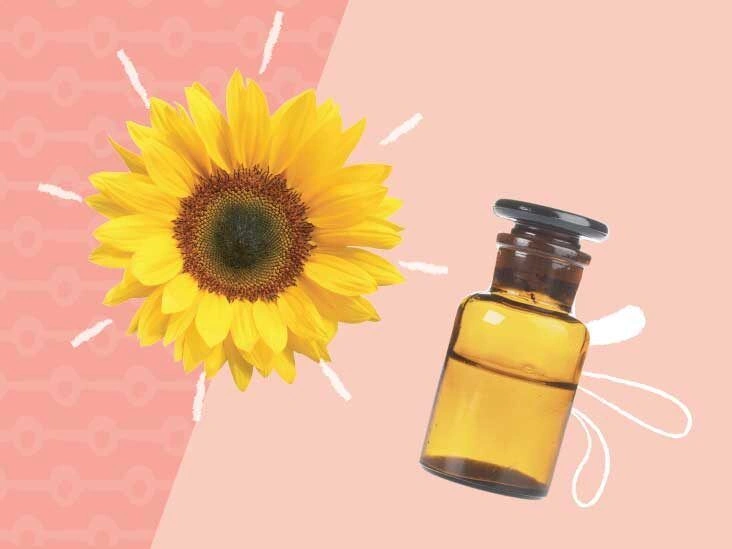
3. Restorative sunflower oil

Sunflower oil is highly calming due to its blend of monounsaturated fatty acids along with antioxidant and anti-inflammatory actions. (In some studies, sunflower oil even reduced sepsis and death in preterm infants when compared with petroleum-based moisturizers.) This suggests it may soothe irritation — not only simple dryness but persistent acne and eczema as well.
Enhance your oil: Stir in a couple drops of lavender to amplify healing effects and impart a wonderfully calming scent. Lavender can help reduce stress, a common trigger for flare-ups.
4. Airy grapeseed oil

This light, vitamin-packed oil is incorporated into many skincare formulations — even those for the face, since its polyphenols may offer anti-aging benefits. Unlike some denser oils, grapeseed oil is suitable for acne-prone skin. It has antibacterial and anti-inflammatory qualities and is handy for treating scrapes and minor cuts.
Enhance your oil: A few drops of anti-aging sandalwood can promote softness and help reduce the appearance of fine lines.
5. Emollient olive oil

Perhaps the most surprising pick, olive oil — a Mediterranean kitchen mainstay — is also a longstanding beauty remedy (it’s likely already in your pantry). It’s a versatile skin salve: remove makeup gently, soothe cracked heels, deep-condition hair, or simply hydrate parched skin. Use sparingly and wipe away excess to avoid irritation or clogged pores.
Enhance your oil: Add a few drops of rosemary essential oil to strengthen hair. Clinical reviews indicate rosemary may help address hair thinning and related issues.
6. Harmonizing jojoba oil

Jojoba oil, another kitchen-friendly choice, mirrors many moisturizing and protective benefits of olive oil. Mix with sugar and lemon for a lip scrub, or use it as a soothing balm after sun exposure. While its effectiveness for preventing hair loss is still discussed, some studies suggest scalp treatments with jojoba can reduce dandruff.
Enhance your oil: Add several drops of pomegranate essential oil or green tea extract to help combat further sun-induced damage. Licorice extract may also help fade dark spots or hyperpigmentation.
Notes to remember
Just as you can personalize your body oils, there’s no single correct way to apply them. To reduce the likelihood of skin reactions, follow a few key guidelines. Choose single-ingredient essential oils the same way you’d pick any other organic product:
- Perform a patch test by applying a drop on the inside of your wrist and wait at least 24 hours to check for a reaction.
- Buy locally when feasible and source from reputable vendors.
- Fewer additives and preservatives generally lower the risk of irritation.
- Avoid preservatives and synthetic chemicals when possible.
- Steer clear of added fragrances listed as parfum.
- Invest in amber (light-blocking) containers for homemade blends to limit sun exposure.
Keep in mind, many of the most beneficial oils aren’t sold at every mall unless there’s a natural foods store nearby. They’re readily available online, often at a fraction of the cost of $100 department-store formulations. So which hydrating oil will your skin drink up?
Although studies indicate potential health benefits, the FDA does not regulate the purity or quality of essential oils. Consult your physician before beginning essential oil use and exercise care when selecting a reputable brand.
Frequently Asked Questions
For very dry skin, heavier emollient oils like olive, jojoba, and sweet almond are excellent. Apply to damp skin to lock in moisture and use sparingly to avoid residue.
Pat skin gently after showering so it’s still damp, then smooth a thin layer of oil over the body. This helps trap moisture and improves absorption without leaving excess greasiness.
Some oils can clog pores for acne-prone skin. Lighter oils such as grapeseed and apricot kernel are less likely to cause breakouts, while heavier oils may need to be used cautiously on oily areas.
Single-ingredient oils reduce exposure to preservatives, synthetic fragrances, and other additives that can irritate sensitive skin. Always patch-test new oils before widespread use.
Mix a carrier oil (like almond or jojoba) with a few drops of compatible essential oils for targeted benefits—lavender for soothing, tea tree for acne-prone skin—but keep concentrations low and patch-test first.
Read Next
Are There Benefits to Using Almond Oil on Your Face?

Thinking About a Septum Piercing? Here’s What to Expect

The Ultimate Skin Care Routine for Combination Skin
Proper Dosage for Botox Treatment on the Forehead, Eyes, and Glabella

Can You Use Face Mapping to Improve Your Skin’s Health?

How to Treat an Inverted Nipple
Related Posts

Green Tea for Hair: A Complete Guide
Aug 4, 2026 • 3 min read
I Tried It: Neutrogena Hydro Boost Water Gel Review
Oct 1, 2026 • 15 min read
5 Evidence-Based Ways Collagen May Improve Your Hair
Sep 1, 2026 • 22 min read
Shea Butter for Your Face: Benefits and Uses
Aug 27, 2026 • 8 min read
Does Flaxseed Really Work for Beautiful Hair?
Aug 4, 2026 • 28 min read