Your Guide to Monitoring Blood Sugar

- What supplies are required for blood glucose monitoring?
- How to prepare for blood glucose monitoring
- How is blood glucose monitoring performed?
- Understanding results of blood glucose monitoring
- What are the benefits of blood glucose monitoring?
- Complications of high and low blood sugar levels
- What are the risks of blood glucose monitoring?
- Takeaway
Monitoring blood glucose is a key component of effective diabetes management. It allows you to see how your blood sugar reacts to things like food, physical activity, and medications so you can adapt your treatment plan when necessary.
Testing your blood sugar is one of the most informative ways to understand your diabetes. It lets you observe and document the effects of various foods, medicines, and activities on your glucose readings.
Recording your blood glucose over time also aids you and your healthcare provider in making appropriate adjustments to your diabetes care strategy.
Below is a comprehensive guide to help you begin.
What supplies are required for blood glucose monitoring?
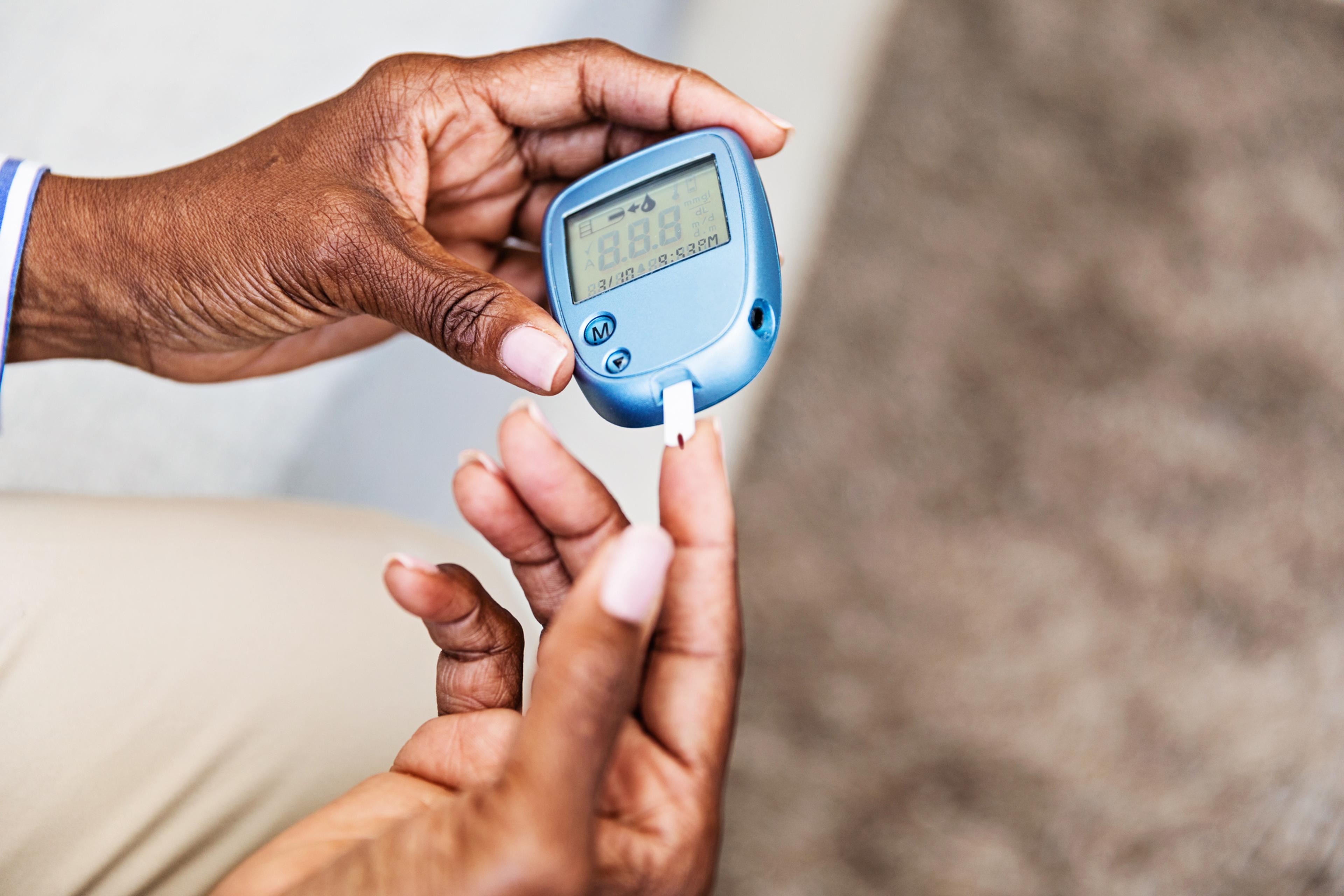
Most people with diabetes use portable devices called glucometers to measure their blood sugar. These devices analyze a tiny blood sample, typically from the fingertip.
A lancet (a small needle) makes a quick prick in the skin to obtain the blood, and the meter displays your current glucose level. Because blood sugar fluctuates, you’ll need to test frequently and keep a record of your results.
Blood glucose monitoring kits and supplies can be obtained from:
- Your physician’s office
- A diabetes educator’s clinic
- A pharmacy
- Online retailers
Discuss costs with your doctor or pharmacist. Glucose meters typically include test strips, lancets, and a holder for the needle. Some kits contain a logbook, or you may be able to download readings to a computer.
Meters come in different sizes and price points. Many offer extra features to meet individual needs and preferences, such as:
- voice output for people with limited vision
- backlit displays for easier reading in dim light
- more memory or data storage
- preloaded test strips for those with manual dexterity issues
- USB connectivity to transfer data to a computer
How to prepare for blood glucose monitoring
Before measuring your blood glucose, ensure you have:
- a finger-stick device (lancet) to prick your finger
- an alcohol swab to clean the puncture site
- a blood glucose meter
- a bandage in case bleeding continues beyond a few drops
Depending on the type of test and your provider’s instructions, you might need to adjust medications or meal timing, or schedule the test in relation to these factors.
How is blood glucose monitoring performed?
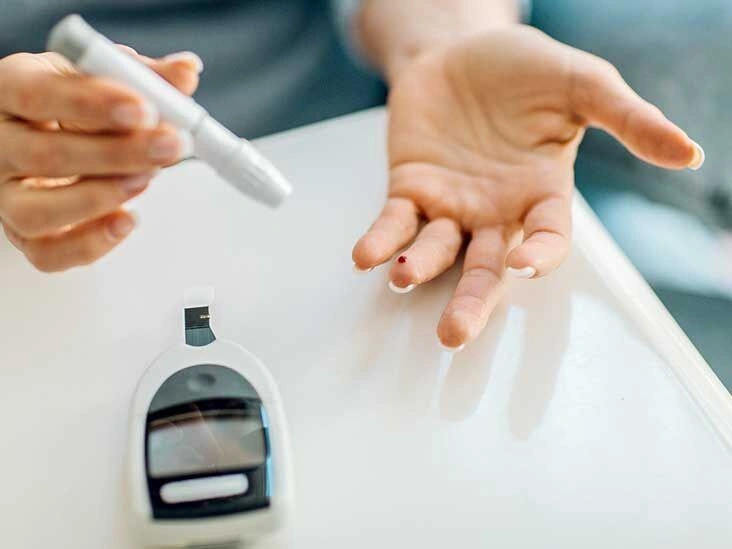
- Start by washing your hands thoroughly to reduce the risk of infection at the prick site. If you use an alcohol wipe instead, allow the area to dry completely before testing.
- Insert a test strip into the meter. Use the lancet to prick your finger and obtain a small drop of blood. To reduce discomfort, consider using the side of the fingertip rather than the tip.
- Touch the blood to the test strip in the meter. The device will analyze the sample and display your glucose reading, typically within a minute.
A bandage is usually unnecessary for finger pricks, but you may use one if bleeding persists. Follow the instructions provided with your glucometer to ensure accurate measurements.
People with type 1 diabetes may need to test four or more times daily, including before and after meals and exercise, and possibly more often when ill.
If you have type 1 or type 2 diabetes, your healthcare provider will tell you the timing and frequency of testing that’s right for you.
Understanding results of blood glucose monitoring
Per the American Diabetes Association, most nonpregnant adults with type 1 or type 2 diabetes should target these blood sugar ranges:
TimeRecommended blood sugar rangefasting (before a meal)80 to 130 mg/dL1–2 hours after a mealless than 180 mg/dLThese are general recommendations and may not apply to everyone. Talk with your doctor to learn your individual target ranges.
Routine blood glucose monitoring is a vital tool for managing diabetes. By detecting and tracking changes in blood sugar, you’ll gain insight into how diet, exercise, stress, and other influences affect your condition.
What are the benefits of blood glucose monitoring?
Consistent glucose checks help you learn how your body responds to diabetes treatments and lifestyle choices.
When it’s time to decide on medication adjustments, exercise plans, or dietary changes, knowing your blood glucose values will help you and your care team make informed choices.
Regular testing also alerts you to high or low blood sugar, both of which can produce symptoms and serious health issues.
Your provider will set a target glucose range based on your age, diabetes type, overall health, and other considerations. It’s important to keep your readings within that target as much as possible.
Complications of high and low blood sugar levels
Untreated high blood sugar can cause long-term complications such as:
- heart disease
- nerve damage
- vision impairments
- poor circulation
- kidney disease
Low blood sugar can cause symptoms including:
- confusion
- weakness
- dizziness
- tremors
- sweating
- rapid heartbeat
Severe hypoglycemia can lead to seizures or coma.
If you experience signs of dangerously low blood sugar, seek immediate medical care.
What are the risks of blood glucose monitoring?
The risks associated with glucose testing are minimal and far outweighed by the dangers of not monitoring your blood sugar.
Never share needles or finger-stick devices. Sharing supplies can increase the risk of transmitting or acquiring infections such as:
- HIV
- hepatitis B
- hepatitis C
Takeaway
Regular blood glucose monitoring provides valuable information about how your blood sugar responds to daily routines. Those readings help you and your medical team make better decisions about managing your diabetes.
Frequently Asked Questions
Frequency depends on your diabetes type, medications, and provider recommendations; many people with type 1 test multiple times daily, while schedules for type 2 vary.
You’ll need a glucose meter, test strips, lancets, a lancet device, and optional items like alcohol swabs, a logbook, or a data cable/app for downloads.
Use a lancet device with adjustable depth, prick the side of the fingertip, rotate fingers, and ensure the lancet is sharp and single-use to reduce discomfort.
Target ranges are individualized by your provider but generally include fasting goals and post-meal targets; they guide treatment adjustments to lower complication risk.
Risks are minimal if you use supplies correctly; never share lancets or meters that break the skin, and follow hygiene precautions to avoid infections.
Read Next

The 8 Best Eco-friendly Razors for a More Sustainable Shave

Does Masturbating Before Sex Affect Your Performance?
Hysterectomy Recovery: A Week-by-Week Timeline of What to Expect

Carob Powder: 9 Nutrition Facts and Health Benefits
Mental Health App Privacy: How to Check an App Before You Sign Up

This Is What You Should Do After Unprotected Sex or Condom Failure
Related Posts
Blood Sugar Level Chart: What Your Fasting, After-Meal and Random Readings Mean
Nov 10, 2026 • 5 min read
A1C Chart: A1C to Blood Sugar Conversion, Normal and Prediabetes Ranges
Nov 8, 2026 • 24 min read
Biktarvy and Cost: What You Need to Know
Sep 2, 2026 • 33 min read
What Is Cigna Express Scripts for Medicare?
Sep 5, 2026 • 9 min read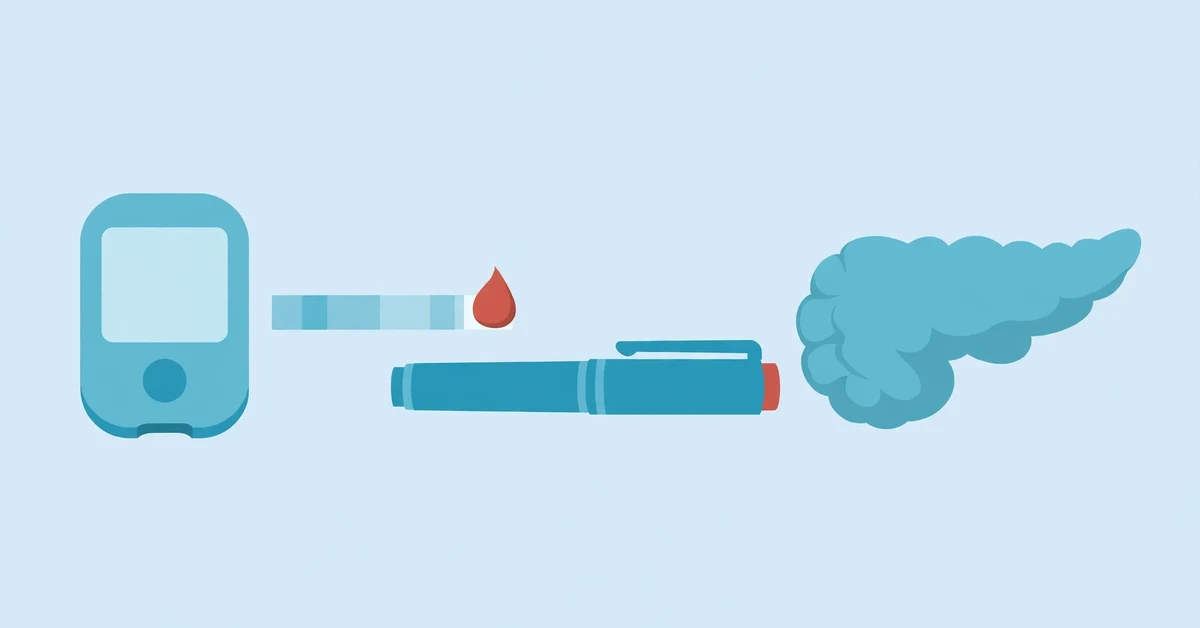
Type 2 Diabetes ICD-10 Codes: The Complete E11 List and What Your Code Means
Nov 14, 2026 • 17 min read