Health Benefits of Kale

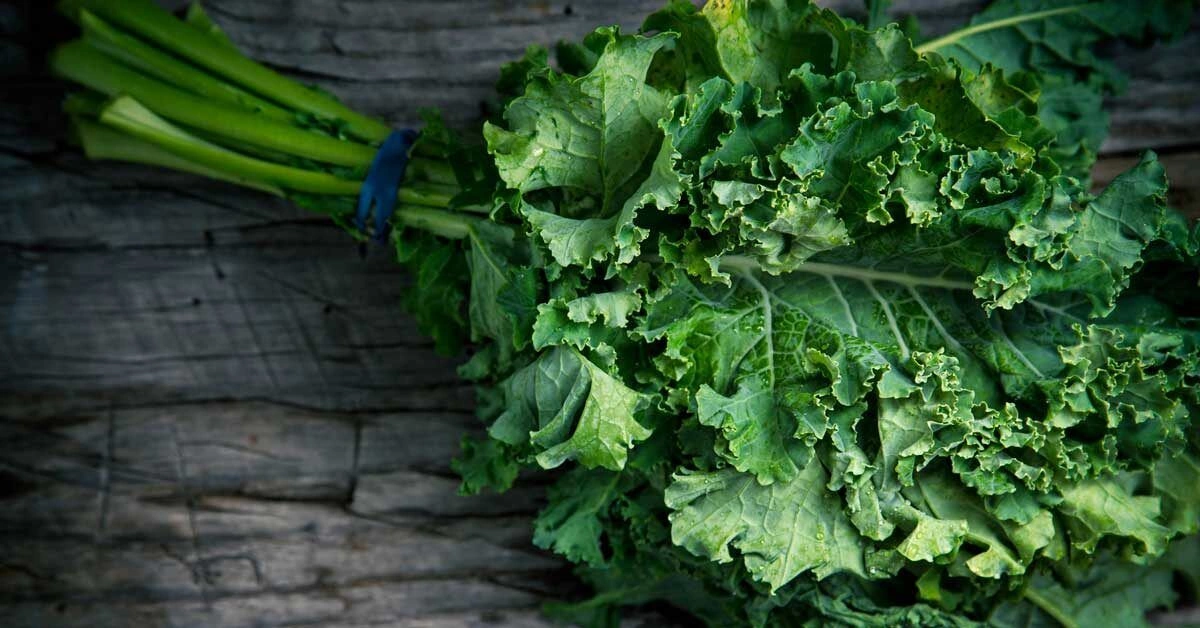
Kale is a nutrient-packed vegetable loaded with antioxidants, vitamin C, vitamin K, and beta-carotene. It also offers nutrients that can help support eye health, weight control, cardiovascular wellness, and more.
Brimming with essential micronutrients and protective compounds, kale ranks among the most nourishing leafy greens you can eat.
In fact, kale contains a range of beneficial substances , several of which exhibit notable therapeutic effects.
On top of that, it’s adaptable in the kitchen. Kale has a mildly nutty, earthy taste that complements many dishes.
Below are nine science-backed health advantages of including kale in your diet.

Extremely nutrient-rich
Kale is a widely consumed leafy vegetable and a member of the cabbage family.
It belongs to the cruciferous group and is closely related to cabbage, broccoli, cauliflower, collard greens, and Brussels sprouts.
There are numerous varieties of kale. The leaves may be green or purple and can be smooth or curly.
The most frequently encountered variety is curly kale, also known as Scots kale. It has green, ruffled leaves and a tough, fibrous stalk.
A single cup (21 grams) of raw kale provides:
- Calories: 7–8
- Carbohydrates: 1 g
- Fiber: 1 g
- Vitamin K: 68% of the daily value (DV)
- Vitamin C: 22% of the DV
- Manganese: 8% of the DV
- Vitamin A: 6% of the DV
- Riboflavin: 5% of the DV
- Calcium: 4% of the DV
Each serving also supplies modest amounts of folate, vitamin B6, potassium, magnesium, and iron.
Incorporating more kale into your meals is an easy way to increase your intake of these vital vitamins and minerals, along with other important nutrients.
Supplies potent antioxidants
Like many leafy greens, kale is rich in antioxidants.
These include beta-carotene and vitamin C, as well as a variety of flavonoids and polyphenols.
Antioxidants help protect against oxidative damage by neutralizing free radicals in the body.
Oxidative damage is considered a primary contributor to aging and many chronic diseases, including cancer.
Many antioxidant compounds also perform additional beneficial roles.
For instance, the flavonoids quercetin and kaempferol are present in notable amounts in kale.
Laboratory and animal research indicates these substances may reduce inflammation , support cardiovascular health, inhibit cancer cell growth , and offer protection against chronic illnesses .
Outstanding source of vitamin C
Vitamin C is a crucial water-soluble antioxidant that performs many roles within cells. For example, it’s necessary for producing collagen, the body’s most abundant structural protein.
Kale contains more vitamin C than most other greens. It delivers roughly three times the vitamin C found in spinach and collard greens.
This makes kale a valuable part of a varied diet, alongside other fruits and vegetables rich in vitamin C.
May help reduce cholesterol
Cholesterol serves several essential functions in the body, such as being a precursor for bile acids, which assist in fat digestion.
The liver converts cholesterol into bile acids, which are released into the digestive tract when you eat a fat-containing meal. After fats are absorbed and bile acids have done their job, they are reabsorbed into circulation for reuse.
Some compounds in kale can bind bile acids in the gut and stop them from being reabsorbed. This process can lower the body’s overall cholesterol levels.
One 2016 study involving 149 individuals with metabolic syndrome found that taking 14 g of kale powder daily for 8 weeks significantly decreased LDL (bad) cholesterol, as well as blood pressure, abdominal fat, and fasting glucose.
Great source of vitamin K
Vitamin K is a vital nutrient.
It’s essential for blood clotting, working by “activating” specific proteins and enabling them to bind calcium .
The common anticoagulant Warfarin actually operates by interfering with this vitamin’s action .
Kale is an exceptional source of vitamin K — a single raw cup supplies nearly 70% of the recommended daily intake.
The vitamin K in kale is predominantly K1, which differs from vitamin K2. K2, found in fermented soy products and some animal foods, may help protect against heart disease and osteoporosis.
Contains cancer-fighting compounds
Cancer involves the uncontrolled proliferation of cells.
Kale is rich in several compounds thought to offer protective effects against cancer.
One such compound is sulforaphane, which has been shown to inhibit cancer development at the molecular level.
It also contains indole-3-carbinol, another compound believed to contribute to cancer prevention.
Rich in beta-carotene
People often say kale is high in vitamin A, but that’s not precisely correct.
Kale is particularly high in beta-carotene, an antioxidant that the body can convert into vitamin A.
Including kale in your meals, along with other foods rich in vitamin A, can help you meet your requirements for this vital nutrient.
May benefit eye health
Although vision commonly declines with age, certain nutrients may help maintain healthy eyesight over time.
Lutein and zeaxanthin are two carotenoid antioxidants that are present in high amounts in kale and several other foods.
Could aid weight management
Kale has a number of characteristics that may support weight control.
First, it’s very low in calories yet provides substantial volume, which can help promote feelings of fullness.
Due to its low-calorie and high-water content, kale has a low energy density. Consuming many low energy density foods has been shown to support weight loss .
Kale also supplies a small amount of fiber, a nutrient that has been associated with weight reduction .
While direct studies on kale and weight loss are lacking, it’s reasonable to think it could be a helpful component of a weight-loss-focused eating plan.

Bottom line
Adding kale to your meals is easy. Use it in salads or incorporate it into cooked dishes.
A popular treat is kale chips: toss the leaves with extra virgin olive oil or avocado oil, season with salt, and bake until crisp. They’re tasty and make a crunchy, nutrient-dense snack.
Many people also blend kale into smoothies to boost nutritional content.
Ultimately, kale is a healthy, nutrient-rich addition to a balanced diet and can be enjoyed in numerous recipes.
Frequently Asked Questions
Yes. Kale is nutrient-dense and can be eaten regularly as part of a varied diet to provide vitamins, minerals, antioxidants and fiber. People on blood-thinning medication should consult a doctor about vitamin K intake.
There’s no fixed amount, but incorporating a cup or two of raw kale several times a week can supply meaningful amounts of vitamin K, vitamin C, beta-carotene and other nutrients.
Cooking can reduce some water-soluble nutrients like vitamin C, but it can also increase availability of others (for example, beta-carotene). Lightly steaming or sautéing often balances nutrient retention and digestibility.
Some compounds in kale may help bind bile acids and support healthy cholesterol levels when part of an overall heart-healthy diet, though effects vary and more research is needed.
Kale is safe for most people, but very high intake may interfere with blood-thinning medications due to its vitamin K content. Large amounts of raw cruciferous vegetables can also cause digestive discomfort in sensitive individuals.






Related Posts

White Mushrooms: Nutrition, Benefits, and Uses
Aug 29, 2026 • 17 min read
Carbohydrates in Brown, White, and Wild Rice: Whole vs. Refined Carbs
Aug 5, 2026 • 7 min read
What Is the Budwig Diet, and Does It Prevent Cancer?
Aug 6, 2026 • 31 min read
Can You Eat Pumpkin or Pumpkin Seeds Raw?
Sep 1, 2026 • 32 min read
Low-Carb Alcohol: The Top 10 Drinks
Oct 5, 2026 • 33 min read