Can Apple Cider Vinegar Treat Kidney Stones?

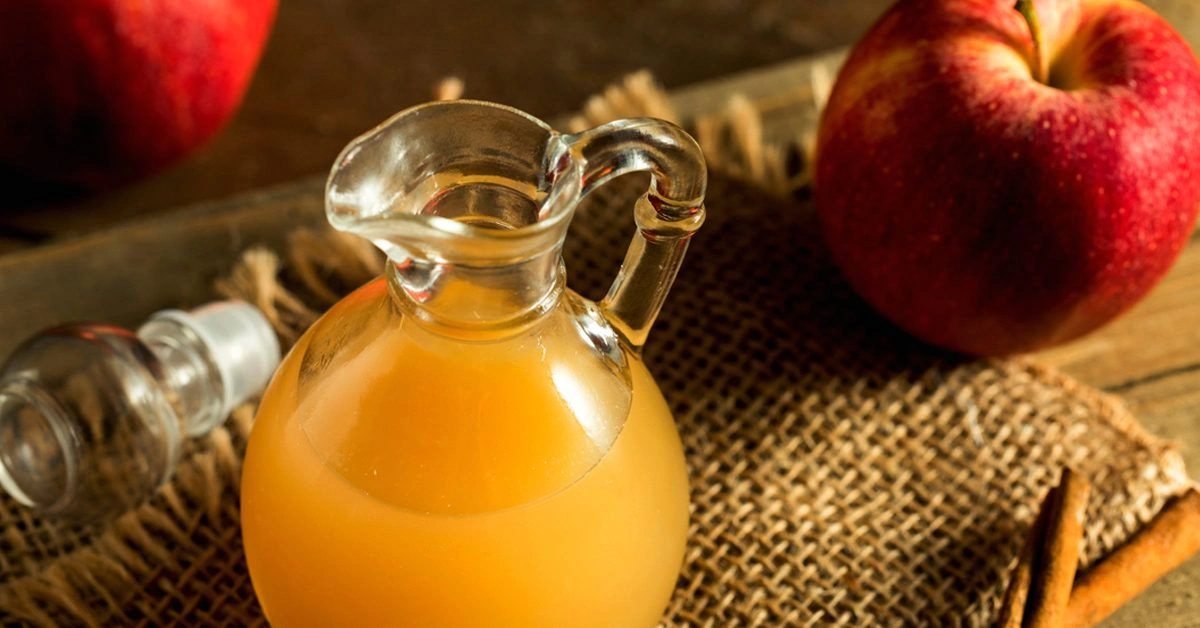
Further investigation is required to determine whether apple cider vinegar can assist in treating kidney stones. Some people believe the acetic acid it contains might help break down stones and reduce the likelihood of new ones forming.

Apple cider vinegar (ACV) has gained popularity as a home remedy for various ailments. One of the claimed benefits is its ability to dissolve existing kidney stones or prevent their formation.
Much of the support for using ACV against kidney stones is anecdotal. While rigorous research is limited, many still view it as a potentially useful natural approach.
Using raw, organic, unfiltered ACV is often recommended for best outcomes. Read on to discover more about its purported benefits.
What are kidney stones?
Kidney stones are hard accumulations of crystallized minerals and salts that form within the kidneys and urinary tract. They develop when these minerals build up in urine, especially when urine is concentrated. Stones differ in size and can be extremely painful.
Symptoms of kidney stones may include nausea, fever, and painful urination. They are fairly common, particularly if you’ve experienced them before or have a family history of stones.
How might apple cider vinegar help?
Some advocates recommend ACV as a natural remedy for kidney stones. The acetic acid in ACV is believed to soften and help break down stones, making them smaller so they can be passed more easily through urine.
ACV is claimed to alkalize blood and urine while boosting stomach acid production. This may help prevent new stones from forming and support digestion.
ACV may also reduce discomfort and inflammation associated with kidney stones. Proponents say it aids in flushing out toxins and excess minerals that contribute to stone formation, and that it can have a cleansing effect on the kidneys and liver.
What does the research show?
Most of the evidence for ACV’s role in treating kidney stones is anecdotal. There is a shortage of direct scientific studies on ACV’s effects specifically on kidney stones. Still, some findings suggest potential benefits.
For instance, ACV contains trace potassium, and potassium intake has been linked to a lower risk of stone formation. A 2016 study found that higher dietary potassium was strongly associated with reduced kidney stone risk.
Be cautious not to consume excessive ACV, however, as it can lead to potassium depletion. More research is necessary to clarify the role of potassium from ACV in preventing stones.
A 2017 study examined how dietary patterns influence kidney stones. Fermented vinegar was associated with a lower risk of stone formation, similar to findings for tea and legumes. Additional research is required to determine vinegar’s direct effect on kidney stones.
A 2014 animal study indicated ACV may protect against kidney oxidative injury and boost antioxidant enzymes, and it also reduced cholesterol in that model. Since higher body weight and cholesterol are linked to kidney stone risk, these effects could be relevant, though more human studies are needed.
How to use apple cider vinegar
ACV can be consumed if you have kidney stones and may be used regularly as a preventive measure.

Always dilute ACV before drinking. Undiluted vinegar can damage tooth enamel and irritate the throat. Be sure to rinse your mouth after use.
Here are a few ways people take ACV.
The simplest approach is mixing 1–2 tablespoons of ACV into a glass of water. Add 1 tablespoon of raw honey if you prefer a sweeter taste.
Adding lemon juice to ACV is thought to enhance its effects because lemon contains citrate , which can lower urinary acidity and help prevent stones from forming or enlarging. Try adding 2 ounces of lemon juice to your ACV water.
For what some call a potent home remedy for kidney stones, combine:
- 1–2 tablespoons of ACV
- 2 ounces of lemon juice
- 2 ounces of olive oil
Drink this mixture, then follow with a glass of water.
Another approach is stirring 1/2 teaspoon baking soda with 2 tablespoons ACV into a glass of warm or lukewarm water. Baking soda’s sodium bicarbonate can help alkalize the body and reduce urine acidity, which may assist in eliminating or preventing kidney stones.
You can also incorporate ACV into foods such as:
- salad dressings
- sauces or ketchup
- marinades
- mayonnaise
- vinaigrette
- smoothies
ACV is offered in capsule or supplement form as well. Get it here.
Prevention tips
Dietary habits can help lower the risk of kidney stones. Consider these tips and recommendations:
- Cut down on salt.
- Limit added sugars.
- Drink at least 64 ounces of water each day.
- Avoid highly processed foods.
- Reduce intake of acidic foods.
- Increase calcium from low-fat dairy sources.
- Choose whole grains and nuts.
- Avoid refined carbohydrates.
- Keep a healthy body weight.
- Opt for plant-based proteins like quinoa, lentils, and dried beans.
- Eat plenty of fresh fruits and vegetables.
- Limit high-fat foods.
- Reduce consumption of high-oxalate foods.
- Include magnesium-rich foods.
- Eat less animal protein, especially red and processed meats.
- Avoid high-dose vitamin C supplements.
The takeaway
Look after your health if you have kidney stones, and see a doctor if your symptoms don’t improve or if they worsen. Some stones require medical intervention to prevent complications.
Only a healthcare provider can advise whether it’s safe to monitor stones while trying home remedies like ACV.
As a preventive strategy, adopt a healthier lifestyle: eat a balanced diet, exercise regularly, manage stress, and get adequate sleep to support overall well-being.
Taking extra care is especially important if you’ve had kidney stones before or have a family history of them.
Frequently Asked Questions
There’s limited scientific evidence that ACV can dissolve kidney stones. Most support is anecdotal, and while acetic acid might help soften small stones, medical studies specific to ACV are scarce.
People typically dilute 1–2 tablespoons of ACV in a full glass of water. Some add lemon juice or honey. Always dilute ACV to avoid throat or tooth enamel irritation and consult a provider before regular use.
Yes. Undiluted ACV can harm tooth enamel and irritate the throat. Excessive ACV use may affect potassium levels or interact with medications. Speak to a healthcare professional if you have health conditions or take medicines.
Some people report fewer stones with regular ACV use, possibly due to effects on urine chemistry or added dietary potassium. However, reliable clinical evidence is lacking, so prevention should focus on proven measures like hydration and dietary changes.
Seek medical care for severe pain, fever, nausea with vomiting, blood in urine, or if symptoms worsen or don’t improve. Some stones require medical or surgical treatment to avoid complications.
Read Next






Related Posts

Peeing with an Erection Isn’t ‘More Difficult Than Childbirth,’ But It Can Be Challenging
Sep 5, 2026 • 13 min read
Condom Catheters: How and When to Use
Sep 24, 2026 • 14 min read
Side Effects of Trulicity: What You Need to Know
Aug 16, 2026 • 22 min read
Club Soda, Seltzer, Sparkling Water, and Tonic Water: A Comparison
Aug 7, 2026 • 25 min read
How to Clean Invisalign: Do’s, Don’ts, and Best Practices
Sep 8, 2026 • 17 min read