The Best Anti-Aging Serums, According to Experts

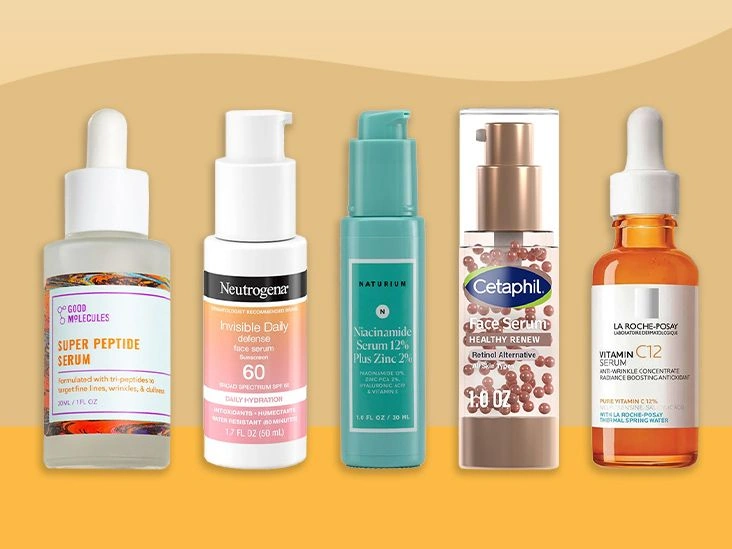
A quick look at the best anti-aging serums
- Best serum for graceful aging: | Skip to review
- Best retinol alternative: | Skip to review
- Best serum for uneven skin tone: | Skip to review
- Best anti-aging serum with SPF: | Skip to review
- Best serum with Vitamin C: | Skip to review
- Most affordable anti-aging serum: | Skip to review
- Best drugstore buy: | Skip to review
Serums are useful for addressing many skin concerns across different skin types. They offer a way to add concentrated active ingredients into your regimen, though they should complement—not replace—your moisturizer.
Board-certified dermatologist Jenny Liu, MD, FAAD, notes, “Serums have higher concentrations of actives but usually don’t perform the same way as moisturizers to prevent water loss…since they’re often formulated as a liquid or light emulsion and lack occlusives or emollients to hydrate and seal the skin.”
Rather than substituting for moisturizers, serums enhance them by targeting concerns like fine lines, wrinkles, dark spots, hyperpigmentation, and other aging signs. Below are some of the top serums we identified to help you age with more confidence.
Try a patch test
Even if a product claims to be suitable for all skin types, always patch-test on a small area to check for adverse reactions. Everyone’s skin reacts differently, so results and sensitivities will vary.
Our picks for the best serums for aging gracefully
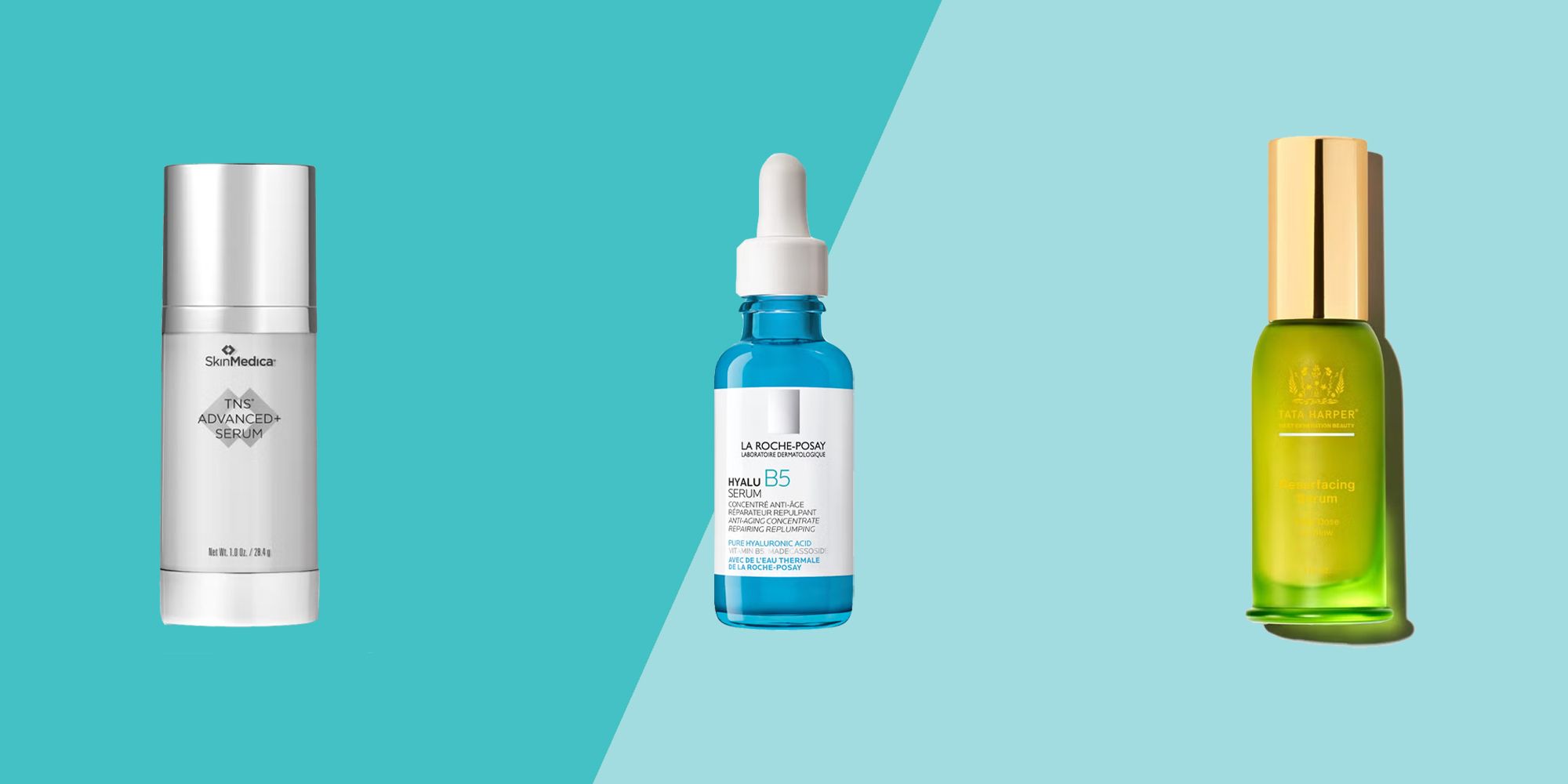
Comparing the best anti-aging serums
Price | Skin type | Key ingredients | When to use
$12 | all | copper tripeptides, acetyl hexapeptide-8, acetyl octapeptide-3 | morning and evening
$22.99 | all | purified peptides, vitamin B3, vitamin B5, botanical glycerin, niacinamide, tocopherol | morning and evening
$17 | sensitive skin, dry skin, acne-prone skin, aging skin, combination skin | niacinamide, zinc, glycerin, hyaluronic acid, vitamin E | morning and evening
$21.32 | all | vitamin E, feverfew, ginger, glycerin | morning
$44.99 | normal skin, sensitive skin, dry skin | 12% vitamin C, neurosensine, salicylic acid, hyaluronic acid, thermal spring water | morning
$9.30 | all | | evening
$22.99 | all | retinol, ceramides, hyaluronic acid | evening
How we chose
To identify the best anti-aging serums, we evaluated several characteristics that define an effective serum. First, each product underwent our strict vetting process to ensure quality and that the brands behind them are credible.
We also weighed price, ingredient lists, customer feedback, suitable skin types, and the recommended timing for incorporating the serums into a routine when making our selections.
What are serums?
Because serums contain higher concentrations of active components, they often produce faster results when addressing aging signs. While moisturizers and other skincare items can include the same actives, they usually appear in lower concentrations.
Other products typically emphasize ingredients that lock in moisture, while anti-aging serums are specifically crafted to target particular concerns.
“A serum is essentially the delivery system for active ingredients in a product,” explains board-certified dermatologist Adeline Kikam, DO, MS, FAAD.
“They’re lightweight and simple to layer or mix with other skincare items,” Kikam adds. Some actives she recommends for aging signs include:
- peptides
- retinol
- antioxidants, such as vitamin C
She also suggests choosing serums that include sunscreen filters, since “sunscreen is the gold standard anti-aging ingredient in skin care.”
Other commonly used actives in serums include:
- hyaluronic acid
- niacinamide
- resveratrol
- alpha arbutin
- azelaic acid
- exfoliants
- vitamin E
Sunscreen is the gold standard anti-aging ingredient in skincare.
How to choose an anti-aging serum
Not every serum targets aging. To select an anti-aging serum, identify the concerns you want to address and pick a serum with ingredients suited to those issues.
“Serums containing vitamin C and other antioxidants help combat free radical damage, refine skin texture, and even skin tone,” Liu explains.
“Retinol improves wrinkles and fine lines by stimulating collagen production. Some serums blend multiple actives like AHAs, niacinamide, peptides, etc., which work in concert to reduce aging signs,” Liu adds.
Also think about your existing skincare lineup. Certain ingredients shouldn’t be combined, such as retinol and glycolic acid. A retinol serum should not be used alongside exfoliating treatments in the same routine—use them on alternate days instead.
Likewise, retinol may not mix well with vitamin C, so reserve your antioxidant serum for mornings and your retinol serum for evenings.
Factor in your skin type as well. Sensitive skin may not tolerate some actives like retinol, strong exfoliants, or even niacinamide, so opt for gentler, soothing formulations.
Those with oily skin might prefer lightweight, oil-free serums, while people with dry skin may find richer serums more beneficial.
Takeaway
Anti-aging serums can both prevent and improve signs of aging. Seek serums formulated with proven ingredients that reduce the appearance of fine lines, wrinkles, and discoloration.
Make sure the serum’s ingredients play nicely with other products in your routine. Some serums can be layered together, while others work best when used on alternating days.
Frequently Asked Questions
An anti-aging serum is a lightweight, concentrated product designed to deliver high levels of active ingredients (like retinol, peptides, or vitamin C) to target wrinkles, fine lines, and discoloration. Moisturizers focus on hydrating and sealing in moisture and often contain occlusives and emollients that serums lack.
Apply serums after cleansing and toning but before moisturizing. Antioxidant serums like vitamin C are best in the morning (follow with sunscreen), while retinol-based serums are typically used at night to avoid sun sensitivity.
You can layer some serums, but be cautious mixing incompatible actives. For example, avoid using retinol with strong exfoliants or combining high-strength vitamin C and retinol simultaneously. When in doubt, alternate nights or consult a dermatologist.
Results vary by ingredient and consistency of use. Some improvements in hydration and texture can appear within weeks, but visible reductions in fine lines and wrinkles often require several months of regular use.
Many serums are formulated for sensitive skin, but potent actives like retinol or strong acids can cause irritation. Look for gentler alternatives (low-dose retinoids, peptides, niacinamide) and always patch-test before applying fully.




Related Posts
Proper Dosage for Botox Treatment on the Forehead, Eyes, and Glabella
Aug 20, 2026 • 32 min read
Thinking About a Septum Piercing? Here’s What to Expect
Aug 19, 2026 • 22 min read
Shea Butter for Your Face: Benefits and Uses
Aug 27, 2026 • 25 min read
Is Microblading Your Eyebrows Painful?
Aug 9, 2026 • 36 min read
The 8 Best Eco-friendly Razors for a More Sustainable Shave
Sep 21, 2026 • 23 min read