Blood Donation Time: How Long It Really Takes

- Quick Overview
- Step‑by‑Step Timeline
- Arrival & Check‑in
- Pre‑Donation Health Screening
- The Needle Process (Core “blood donation time”)
- Post‑Donation Recovery
- What Affects Time
- Eligibility Checks
- Facility Type
- Time of Day & Appointment Length
- Prep to Save Minutes
- Pre‑Visit Checklist
- What to Bring / What to Avoid
- Safety and After‑Care
- Why Time Matters
- When to Seek Help
- Long‑Term Benefits vs. Time Investment
- Bottom‑Line Comparison
- Final Thoughts
Ever wondered just how long you’ll be sitting in a chair while you help save a life? The short answer: the actual needle‑draw is usually under ten minutes, but the whole experience—from signing paperwork to enjoying a snack afterward—typically runs about an hour. If you’re thinking about donating plasma or platelets, plan for a bit more time, though the “blood donation time” for the needle itself stays roughly the same. Let’s walk through every step so you know exactly what to expect, how to prepare, and why a little patience can mean a world of difference to someone in need.
Imagine you’re on a lunch break, and you’ve just booked a slot at your local donation center. You roll in, check in, and within the next hour you’re out the door feeling a tiny pinch, a sense of pride, and maybe a little extra snack. That’s the whole blood donation process in a nutshell. Ready to dive in? Grab a coffee, and let’s explore the timeline together.
Quick Overview
| Donation type | Needle‑draw time | Full appointment time* | Typical frequency |
|---|---|---|---|
| Whole blood | 6‑10 minutes | 45‑60 minutes (≈ 1 hour) | Every 56 days (≈ 6 times/year) |
| Plasma | 45 minutes | 60‑90 minutes (≈ 1.5 hours) | Every 28 days |
| Platelets | 60 minutes | 90‑120 minutes (≈ 2 hours) | Every 7 days (up to 24 times/year) |
*Includes registration, health screening, and post‑donation recovery.
These numbers come from the AABB and Lifeblood Australia, both of which track donation durations across thousands of appointments.
Step‑by‑Step Timeline
Arrival & Check‑in
First things first—you’ll be greeted at the front desk. Bring a photo ID (first‑time donors usually need two forms of ID) and your appointment confirmation. You’ll fill out a short donor safety questionnaire. It feels a bit like a coffee‑shop order, but it’s essential for safety.
Pre‑Donation Health Screening
Next up is the health check. A friendly staff member will take your pulse, blood pressure, and temperature, then do a quick finger‑stick to test your hemoglobin level. This tiny prick ensures you have enough iron for a safe donation. If anything looks off, they’ll let you know and maybe reschedule—but most of the time it’s a smooth green light.
The Needle Process (Core “blood donation time”)
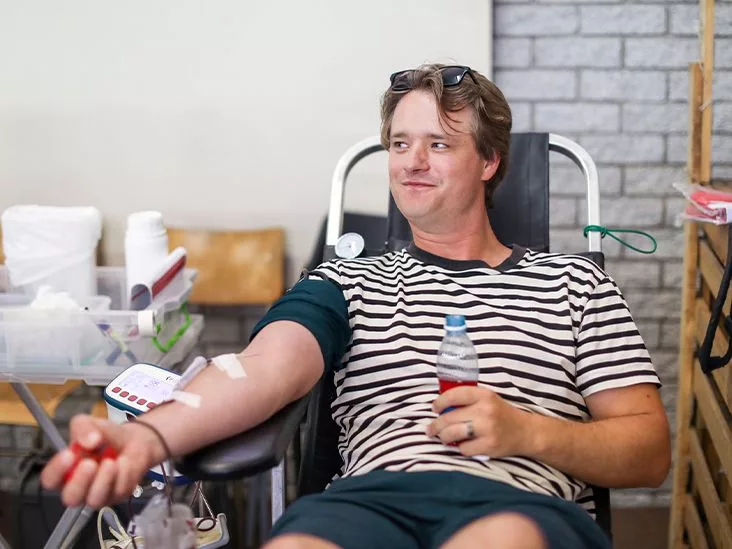
Now for the star of the show. The phlebotomist cleans your arm with an antiseptic wipe, ties a cuff, and inserts the needle. For whole blood, the draw usually lasts 6‑10 minutes. Plasma or platelets take longer because the machine separates components while the blood circulates back into you.
Post‑Donation Recovery
Once the needle is out, you’ll sit in a recovery area for about 5‑10 minutes while sipping water and munching on a cookie or fruit juice. This pause helps your blood volume normalize and gives you a chance to tell the staff how you feel. If you’re feeling light‑headed, just let them know—they’ll keep an eye on you until you’re steady.
Recovery Checklist
- Drink two glasses of water before you leave.
- Eat a balanced snack (the donation center usually provides one).
- Avoid heavy lifting for the next five hours.
- Skip alcohol and intense exercise for 24 hours.
What Affects Time
Eligibility Checks
Sometimes a donor’s health history or recent travel adds a few extra questions. If you’ve been abroad, you might need to wait a bit longer before donating, as noted by the NIH Blood Bank’s “Know Before You Go” guide (2024). These checks are quick, but they can extend the overall “blood donation duration” by a few minutes.
Facility Type
Mobile blood‑mobiles often have streamlined paperwork, while large hospital labs might take a bit longer to verify records. Neither is better; it just means you might need to budget a little more time if you’re heading to a bigger center.
Time of Day & Appointment Length
Peak hours can lead to short waiting periods before you’re called. If you book early morning or mid‑afternoon, you’ll usually experience less crowding. Booking a specific slot (instead of a walk‑in) usually locks in a smoother flow.
Prep to Save Minutes
Pre‑Visit Checklist
- Eat a healthy meal 2‑3 hours before your appointment.
- Hydrate with 2‑3 cups of water the night before and the morning of.
- Bring your donor card or a printed confirmation.
- Avoid caffeine and alcohol 24 hours prior.
- Wear short sleeves for easy arm access.
What to Bring / What to Avoid
Leave heavy bags, intense workouts, and stressful errands at home. A relaxed mindset helps your body stay calm, which can make the needle insertion feel smoother.
Personal Anecdote
When I first donated, I set a reminder to drink a bottle of water the night before. It shaved about five minutes off my overall visit because I didn’t have to pause for extra hydration once I got there. Small habits like that can turn a “wait” into a “walk‑through.”
Safety and After‑Care
Why Time Matters
During a whole‑blood donation, you lose roughly 10 % of your total blood volume—about a pint. Your plasma (the liquid part) replenishes within 12 hours, while red blood cells take 2‑3 days to fully recover. Knowing this helps you plan activities after the appointment; you’ll feel back to normal much faster if you follow the post‑donation guidelines.
When to Seek Help
If you experience prolonged dizziness, bleeding that won’t stop after ten minutes, or severe pain at the needle site, let the staff know immediately. These situations are rare, but it’s always better to be safe.
Long‑Term Benefits vs. Time Investment
One hour of your time can save up to three lives, according to the Red Cross. Think about that: a short lunch break could be the difference between a newborn getting a life‑saving transfusion or not. That’s the power behind the “blood donation time” you invest.
Bottom‑Line Comparison
| Metric | Whole Blood | Plasma | Platelets |
|---|---|---|---|
| Needle time | 6‑10 min | 45 min | 60 min |
| Total appointment | 45‑60 min | 60‑90 min | 90‑120 min |
| Recovery snack | 5‑10 min | 10‑15 min | 10‑15 min |
| Donation interval | 56 days | 28 days | 7 days |
| Lives saved per unit | Up to 3 | Variable (treats burns, cancers) | Critical for clotting disorders |
These figures let you compare the time commitment of each donation type at a glance. If you’re short on time, whole blood is the quickest overall, but plasma and platelets offer unique ways to help specific patient groups.
Final Thoughts
The blood donation time you spend is a small slice of your day, yet its impact ripples far beyond the walls of the donation center. By understanding the steps—arrival, health screening, the brief needle draw, and the short recovery—you can walk into any appointment feeling prepared, confident, and excited to make a difference.
Remember: the actual draw is just a few minutes, but the whole experience usually runs 45‑60 minutes for whole blood, and up to two hours for plasma or platelets. Plan a little extra, stay hydrated, and enjoy the post‑donation snack—you’ve just earned a hero badge.
Are you ready to set a date and see how much you can give in under an hour? Grab your phone, book the appointment, and let’s turn that “blood donation time” into a life‑saving story you’ll be proud to share. If you have questions or want to swap donation stories, drop a comment below. Your experience could inspire the next donor in line!
Frequently Asked Questions
The needle‑draw, or “core” part of the donation, typically takes 6–10 minutes for whole blood, about 45 minutes for plasma, and roughly 60 minutes for platelets.
The full appointment covers check‑in, health screening, the brief needle draw, and a 5–15 minute recovery period where you have a snack and fluids.
Yes—arrive hydrated, bring ID and paperwork, wear short sleeves, and book a specific time slot to avoid waiting in line.
Whole blood can be donated every 56 days, plasma every 28 days, and platelets as often as every 7 days, provided you meet health criteria.
Drink two glasses of water, eat a light snack, avoid heavy lifting for five hours, and skip alcohol and intense exercise for the next 24 hours.



Related Posts

Best At-Home Iron Test to Check for Iron Deficiency
Aug 18, 2026 • 11 min read
Is It Serosanguinous or Another Type of Wound Drainage?
Sep 4, 2026 • 4 min read
4 Herbs for Sickle Cell Anemia
Aug 20, 2026 • 28 min read
What Blood Tests Are Used to Diagnose Anemia?
Aug 31, 2026 • 4 min read
How to Get Perky Breasts Without Surgery
Sep 9, 2026 • 30 min read