
Bug Bites
No See Um Bites: The Tiny Pests Ruining Your Peace (And How to Outsmart Them)
Got no see um bites? These tiny flying midges leave red, itchy welts that can ruin your day. From quick home remedies like cold compresses …

Bug bites and stings from mosquitoes, ticks, bedbugs, spiders, and bees trigger localized inflammatory responses ranging from mild erythema to severe anaphylaxis. This category addresses identification of common bite patterns, first-aid management with antihistamines and topical corticosteroids, and recognition of secondary infections re…
Got no see um bites? These tiny flying midges leave red, itchy welts that can ruin your day. From quick home remedies like cold compresses …

Tired of endless mosquito bites turning your outdoor fun into an itchy nightmare? This How to bite a mosquito back ai guide shares clever n…

Tired of itchy mosquito bites ruining your summer? The How to bite a mosquito back Meme is blowing up on TikTok with hilarious revenge skit…

Feeling fed up with mosquito bites? Here's how to bite a mosquito back using natural methods, including essential oils, wardrobe changes, a…

Expert-approved tick bite prevention steps to avoid ER visits this summer. Protect kids, seniors, and pets with up-to-date methods for tick…
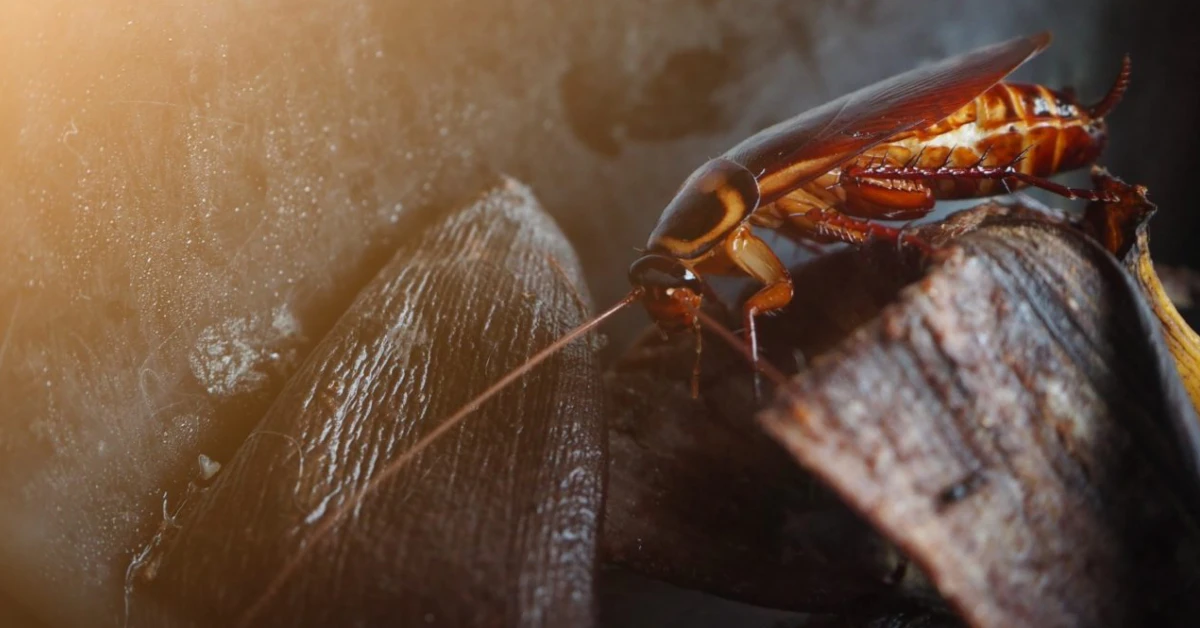
Worried about can roaches bite you at night? Here’s what you need to know about symptoms, health risks, and how to prevent cockroach bites …
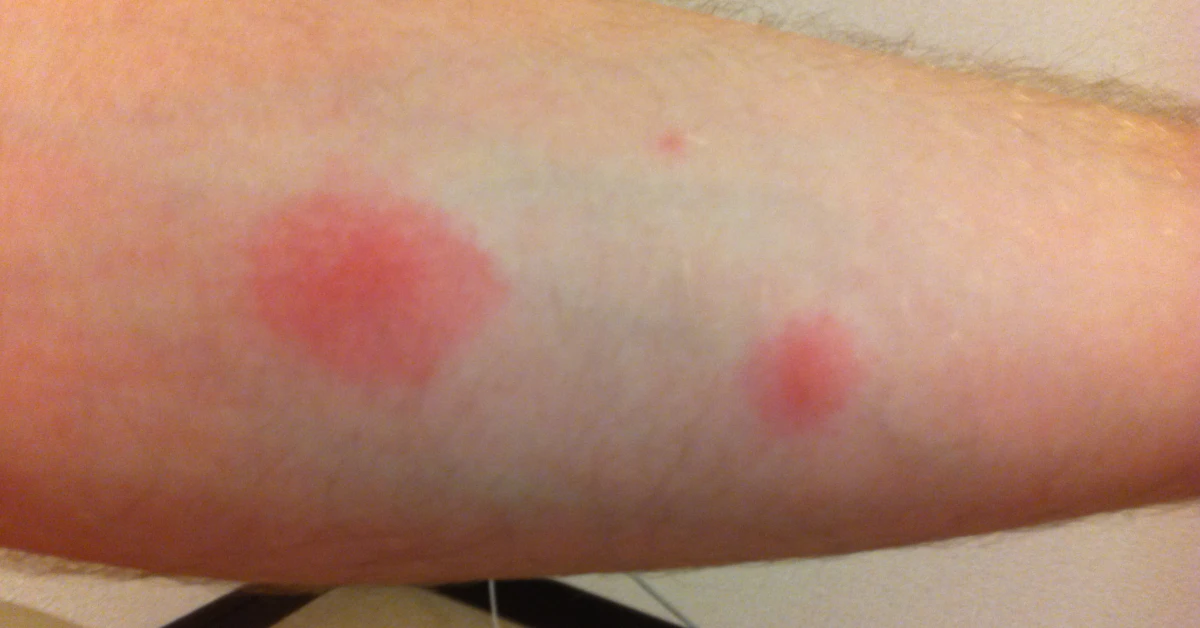
Curious if roaches bite you in your sleep? Find out the real risks, what bites look like, and how to keep cockroaches out of your bedroom f…
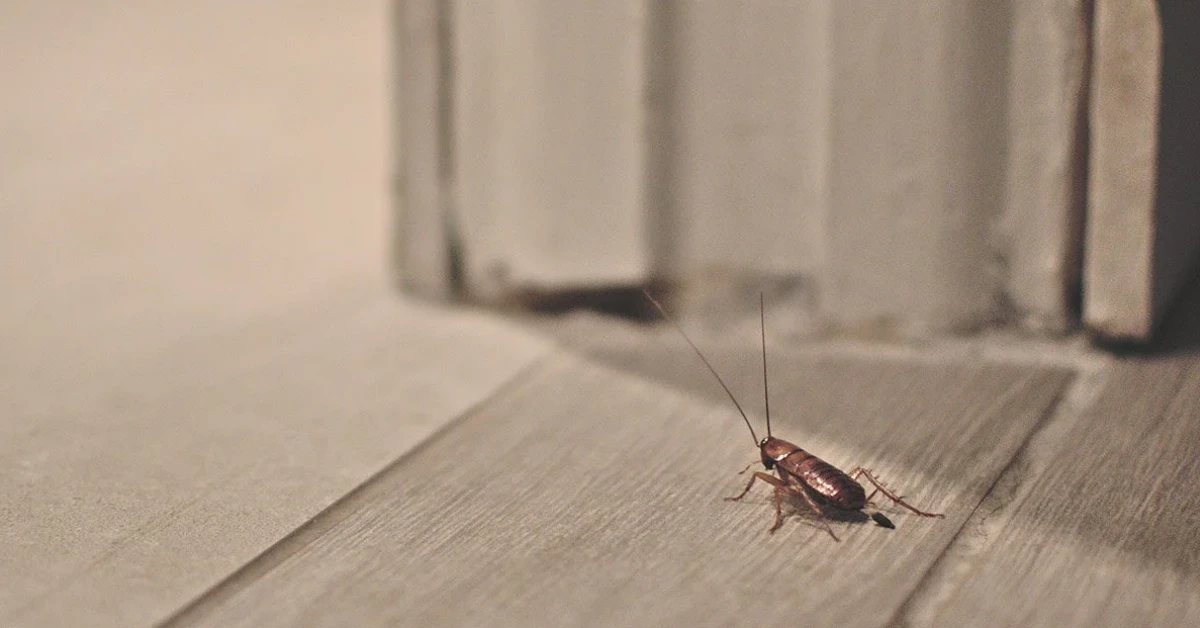
Find out if cockroaches can travel on a person, what it means for your health, and how to protect yourself and your home from unwanted enco…

Ever wondered if roaches can bite you? Get the lowdown on bites, health risks, and prevention tips. Keep your home safe and roach-free with…

Got a wolf spider bite? Find expert tips on symptoms, treatment, and prevention to stay safe. Your friendly guide from HealthEH.com keeps y…

Fleabites cause itchy red bumps, often around ankles. Learn how to identify them, treat the itch, and prevent new bites.
General information only — not medical advice. Always consult a qualified healthcare professional about your own situation.