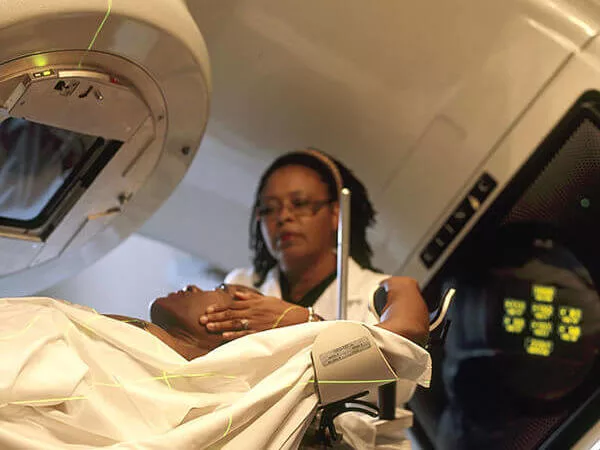
Cancer
Cancer Radiation Therapy: Benefits, Risks & Answers
Cancer radiation therapy uses high‑energy beams to destroy tumor DNA, providing effective treatment with new techniques that lower side eff…
Cancer radiation therapy uses high‑energy beams to destroy tumor DNA, providing effective treatment with new techniques that lower side eff…

Tumor-targeted treatment precisely attacks cancer’s molecular drivers, boosting response rates and minimizing side effects for many patient…
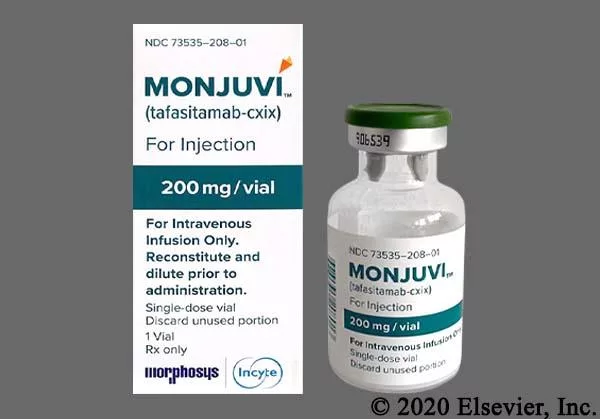
Monjuvi for lymphoma offers a three‑drug regimen that can extend progression‑free survival past two years, but requires monitoring side eff…
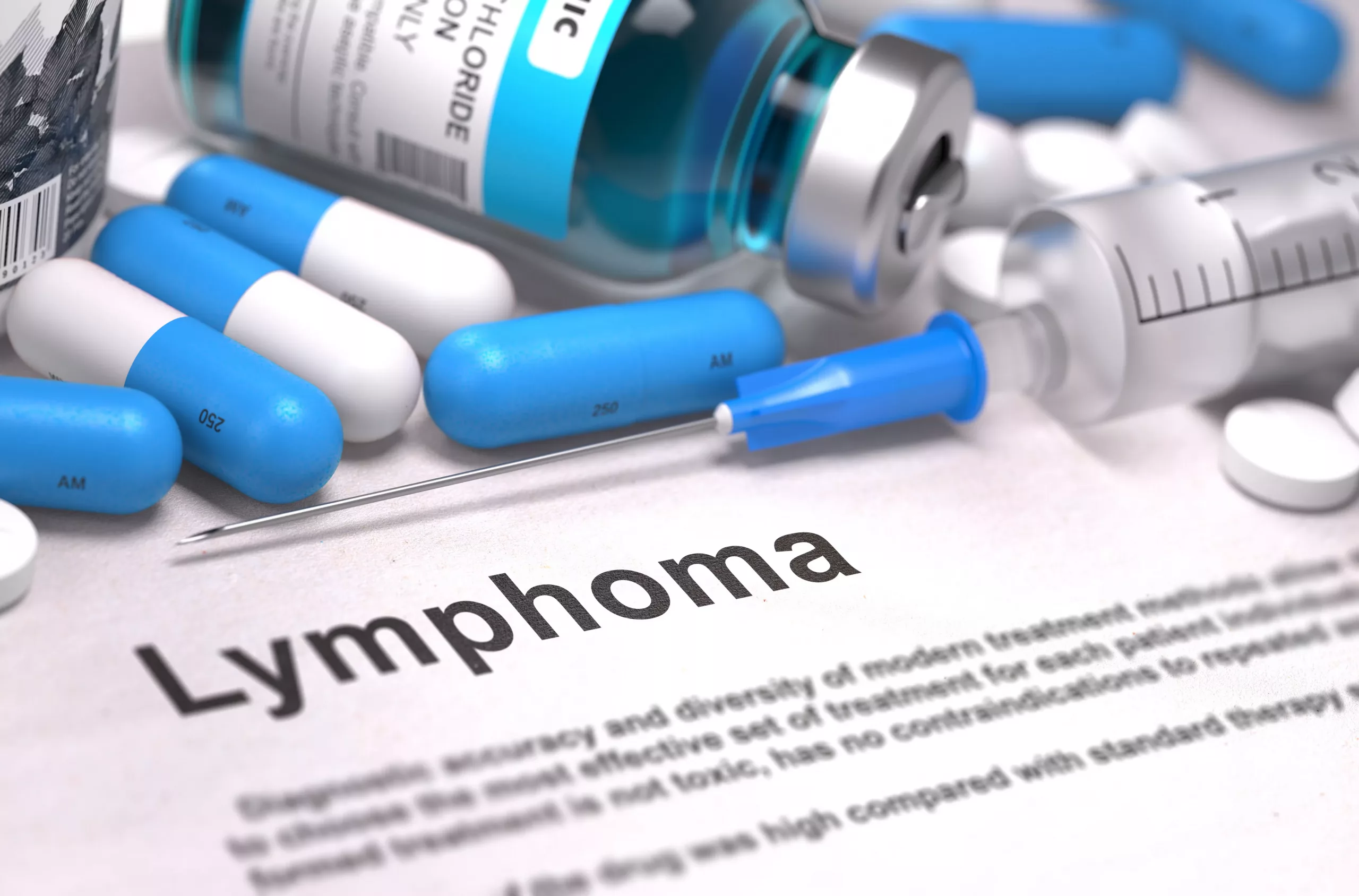
Refractory lymphoma therapy includes high‑dose chemo, stem‑cell transplant, CAR‑T, ADCs and new targeted drugs, offering hope for pat…
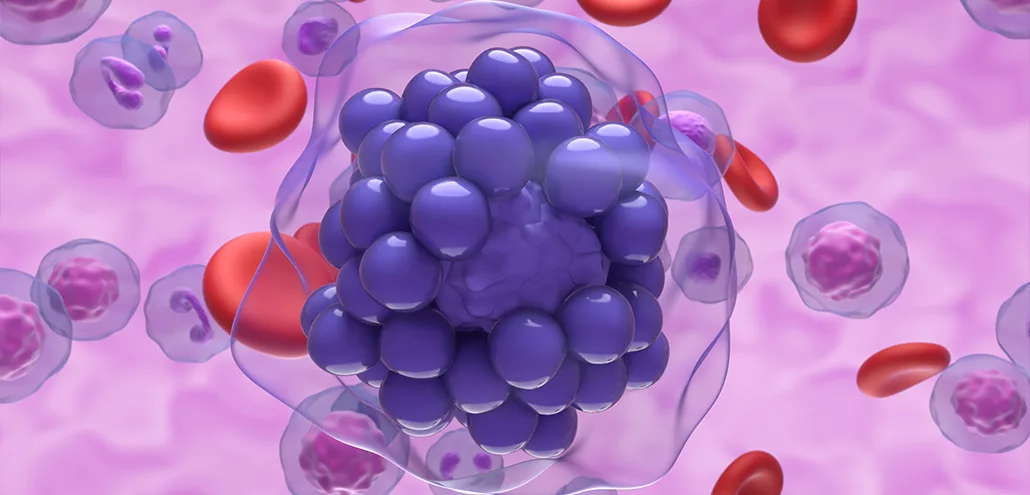
Get the latest FDA‑approved relapsed lymphoma drugs, from Monjuvi to CAR‑T, plus practical tips for managing treatment and side‑effec…

Precision cancer treatment offers a plan using genetic profiling, targeted drugs, and advanced imaging to raise cure rates and cut side eff…

Radiopharmaceutical safety protects patients and staff by limiting radiation exposure, preventing spills, and adhering to regulatory guidel…

Colorectal cancer biomarker testing reveals genetic signals that guide therapy, predict drug response, and broaden clinical trial options.

Endoscopy alternative methods let you screen for Barrett’s, esophageal cancer, and hidden GI bleeding with far less discomfort and quick re…

Less invasive screening offers comfortable cancer checks that provide early detection, avoiding the hassle of endoscopy or colonoscopy.

The capsule sponge test is a fast, minimally invasive screen for Barrett’s oesophagus and early esophageal cancer, often avoiding endosco…

The Pill-on-a-thread test offers a painless, low‑cost alternative to endoscopy, collecting esophageal cells in minutes for early detectio…
General information only — not medical advice. Always consult a qualified healthcare professional about your own situation.