
Cancer
Breast Cancer Periods: Why Your Cycle May Change
After a breast cancer diagnosis, cycles often shift. Find out why breast cancer periods become irregular, treatments cause it, and tracking…
After a breast cancer diagnosis, cycles often shift. Find out why breast cancer periods become irregular, treatments cause it, and tracking…

Monoclonal antibodies are engineered proteins that target molecules, offering cancer, autoimmune and infection treatments with lower side e…

utDNA testing offers a painless urine‑based way to detect bladder cancer recurrence early, guide treatment and cut down invasive procedur…
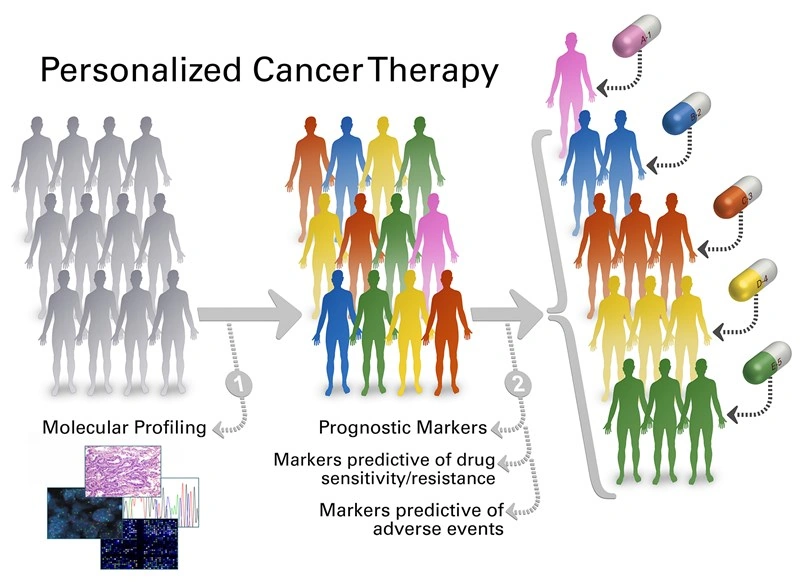
Personalized cancer therapy aligns drugs with your tumor’s genetics, higher response rates, cutting side‑effects, enabling noninvasive moni…
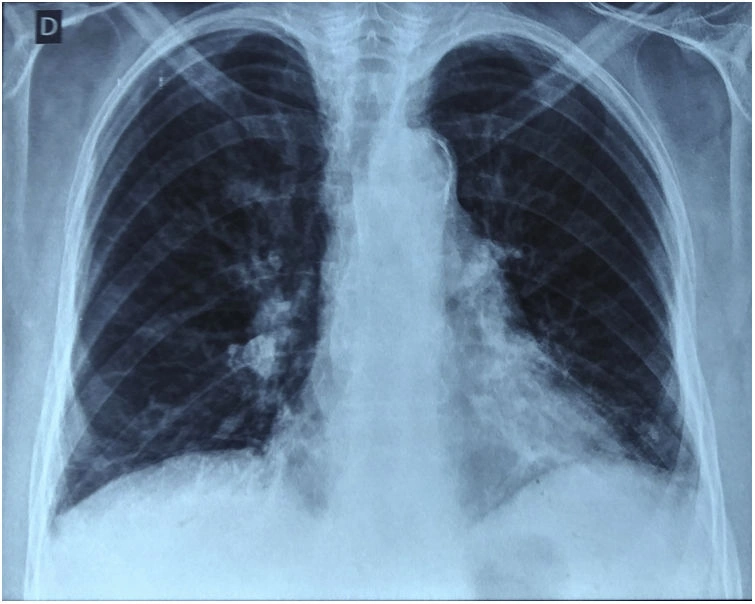
Chemo‑immunotherapy, targeted drugs, and SBRT are accelerating shrinking lung tumors, and we give you simple ways to track each reduction.

Stage III NSCLC treatment combines cCRT, immunotherapy, and targeted drugs, giving patients a chance for longer survival and improved life.
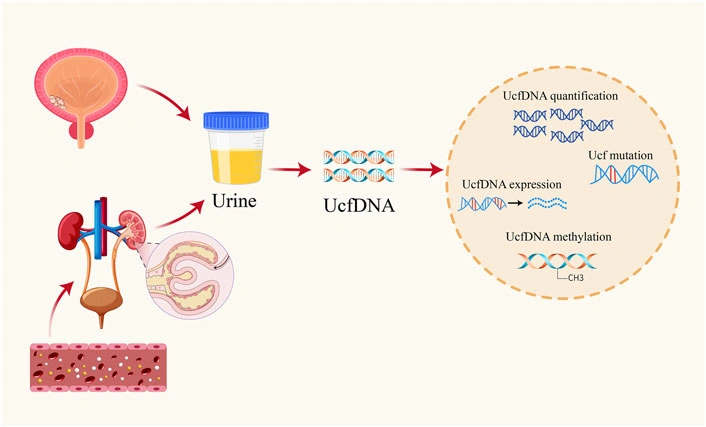
Urine tumor DNA testing offers a non‑invasive way to detect, stage and monitor bladder cancer, giving insights while lowering need cystosco…
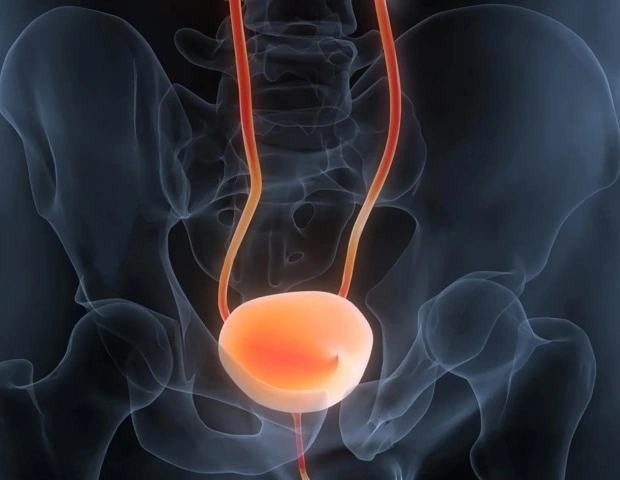
Urine‑based tumor DNA testing detects bladder cancer recurrence early, enabling personalized treatment and lowering the chance of a second …

New non‑small cell lung cancer therapy options, from osimertinib to immunotherapy combos, are extending survival and offering fresh hope.

Immunotherapy before surgery provides a boost that shrinks tumors, improves surgical success, and lowers recurrence risk for cancer patient…

A deadly disease prognosis now shifts with early detection, genetic markers, and AI‑powered predictions, offering patients treatment path…

AI prognosis prediction blends imaging and lab data to forecast survival and treatment response, giving doctors and patients more guidance.
General information only — not medical advice. Always consult a qualified healthcare professional about your own situation.