Dermatology 101
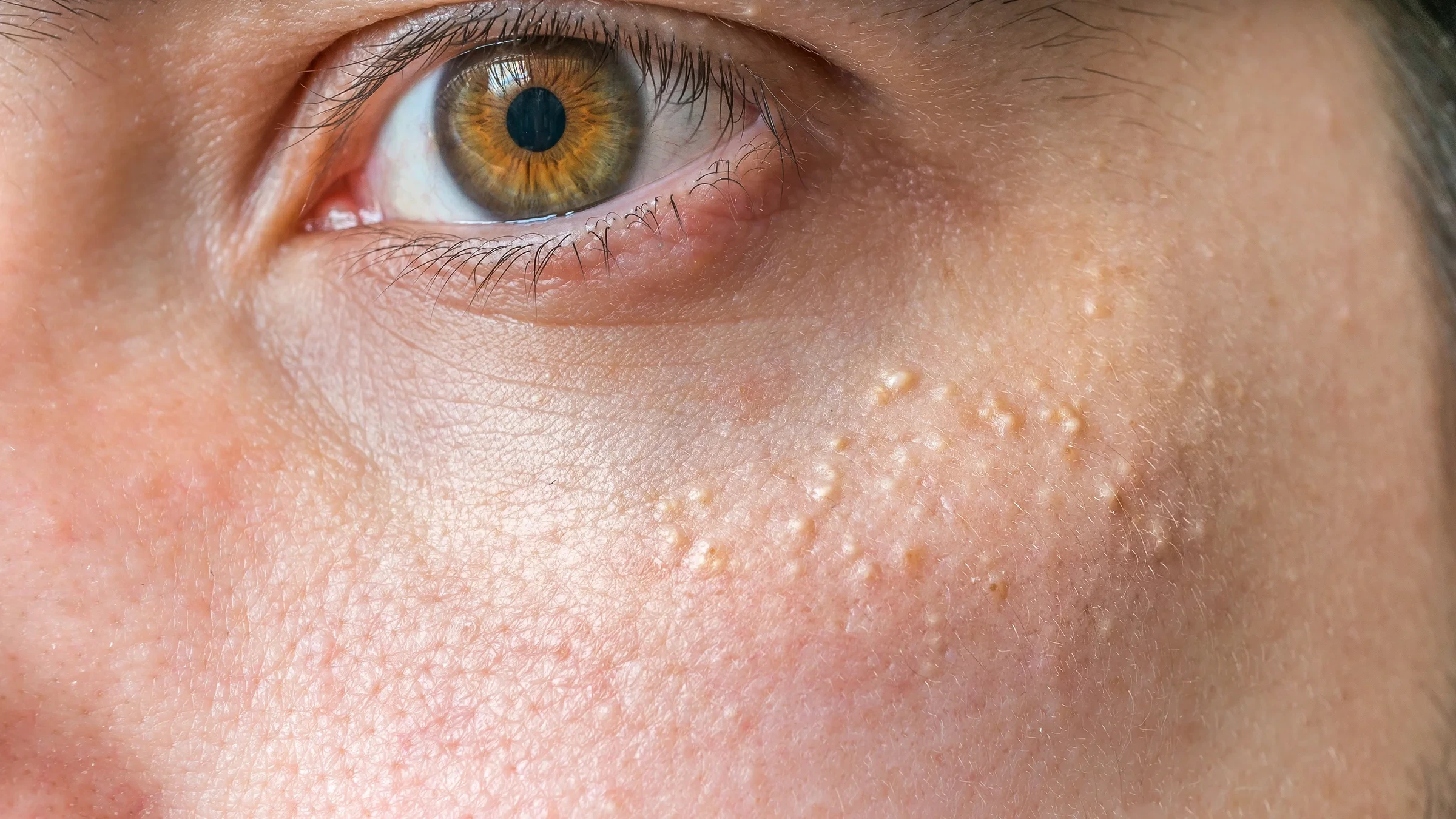
Milium Cysts in Adults and Babies
Milia are small keratin-filled cysts that appear on the face and body; causes include newborn onset, skin damage, products, and certain pro…

Dermatology 101 breaks down the fundamentals of skin health, covering how to identify early signs of eczema, psoriasis, acne, and other common conditions. The skin is the body's largest organ, and changes in texture, color, or sensation frequently signal localized or systemic pathology. Articles here explain the pathophysiology of freque…
Milia are small keratin-filled cysts that appear on the face and body; causes include newborn onset, skin damage, products, and certain pro…

Gentle stretches and exercises to improve Wrist Flexion, reduce pain, and restore normal wrist motion for daily activities and sports.

Rashes Herpes can mimic other skin issues; know signs like fluid-filled blisters, crusting, and location to tell them apart and seek care.

Effective treatments for Atrophic Scar include chemical peels, fillers, microneedling, punch excision and subcision to reduce indentations …
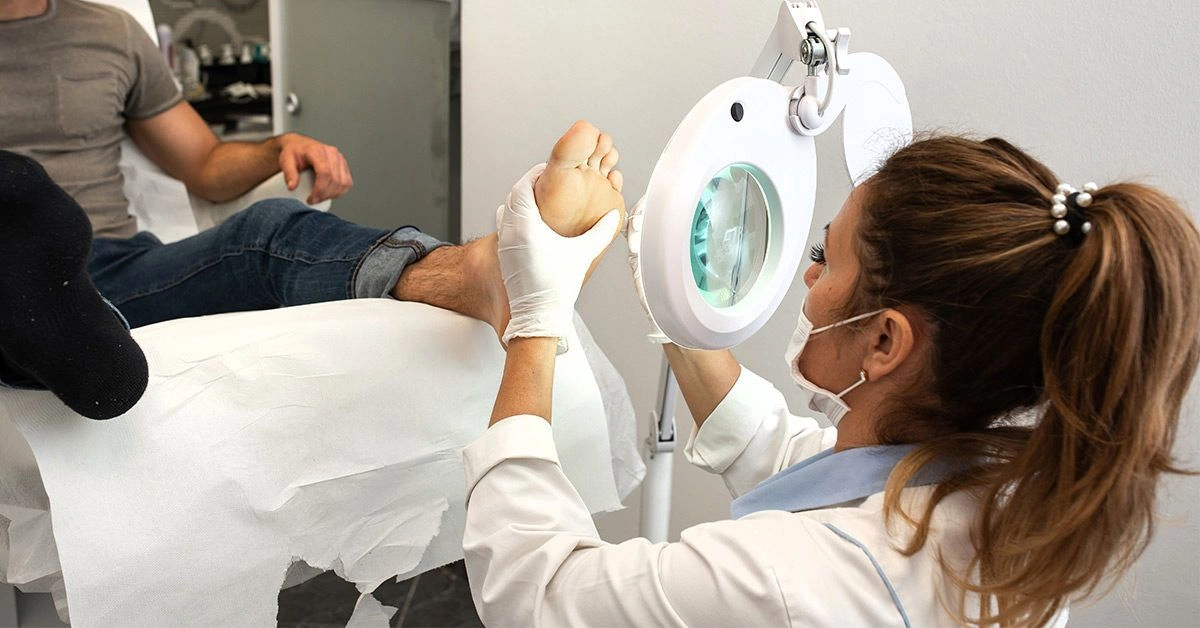
Wart Vs Corn — clear signs to tell them apart, plus treatment and prevention tips for foot growths and skin bumps.

Effective ways to reduce Marionette Lines with treatments, fillers, and skincare routines for smoother lower-face contours and refreshed ap…

Effective ways to reduce Glabellar Lines with skincare, injectables, and lifestyle tips to soften forehead furrows and prevent deeper creas…
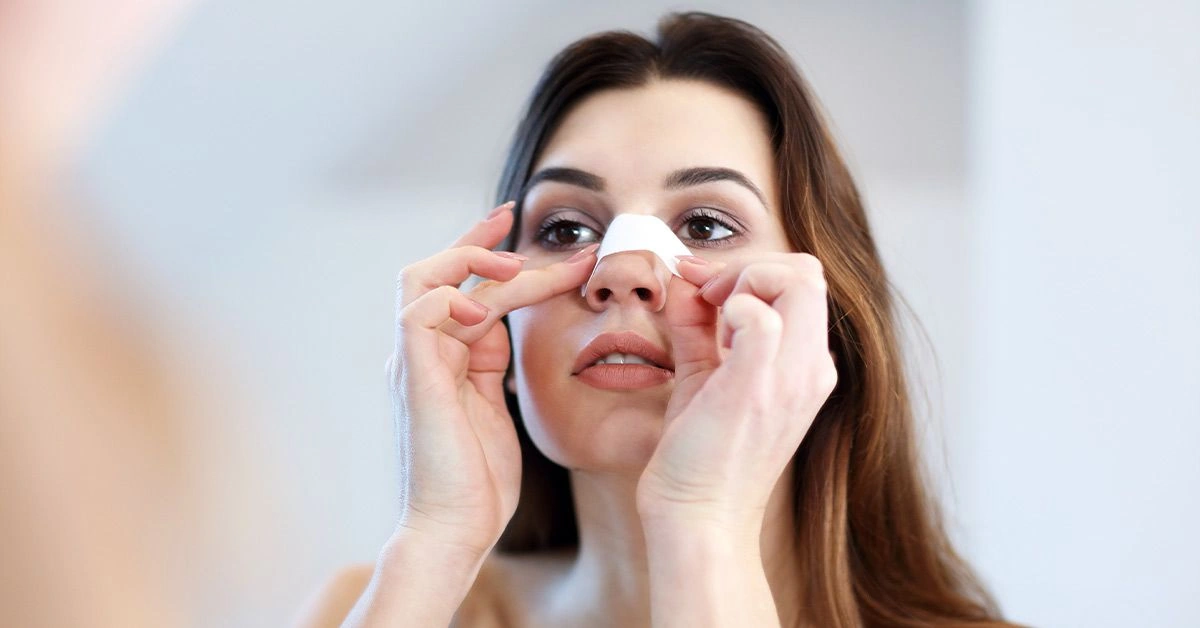
Redness Around Nose can stem from rosacea, acne, irritation, or sunburn. Practical remedies and when to see a doctor for persistent redness.

Pressure Bandage guidance for controlling bleeding, reducing swelling, and protecting wounds during first aid and emergency care. Stay safe…

Tattoo Blowout: practical ways to fix blurred ink, from cover-ups to laser or surgery, plus tips to reduce future risk and care during heal…
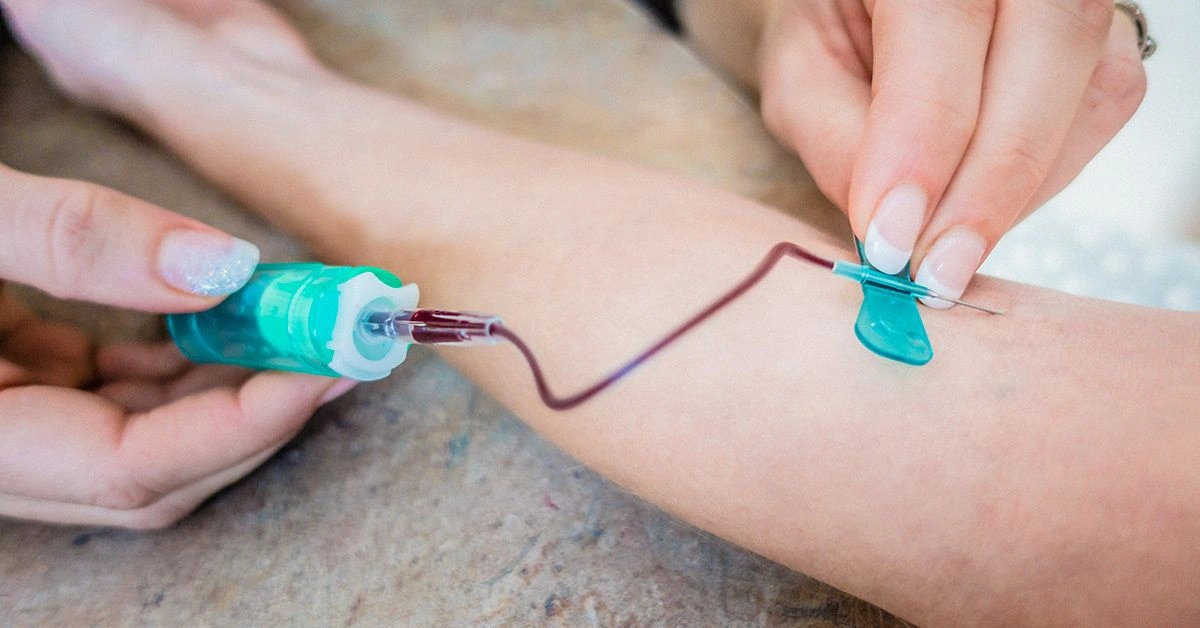
Butterfly Needle: what to expect during venipuncture, sizes, uses, benefits and risks for blood draws and short IV therapy in vulnerable ve…
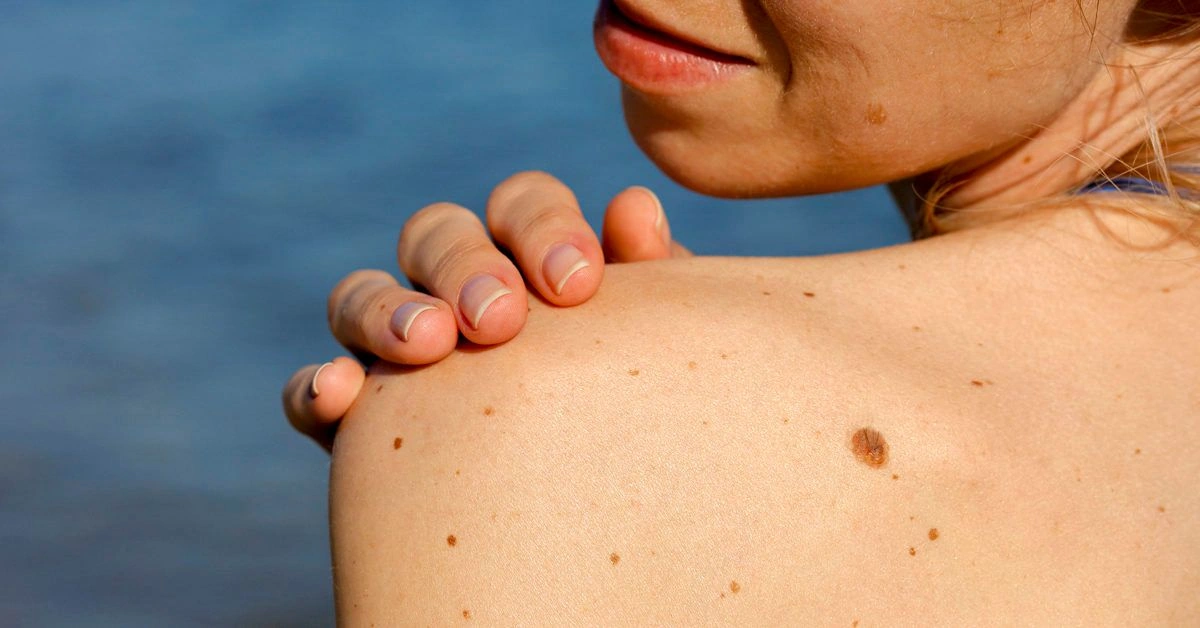
Hairy Mole rarely signals cancer; hair often means a healthy follicle. Monitor changes and consult a dermatologist if the mole alters.
General information only — not medical advice. Always consult a qualified healthcare professional about your own situation.