
Menopause
Menopause Grief: Signs, Causes & Simple Coping Tips
Feeling the quiet ache of menopause grief? Discover how to spot its signs, why it appears, and ways to cope and regain emotional balance.

Menopause marks the permanent cessation of menstruation, confirmed after twelve consecutive months without a period, typically occurring between ages 45 and 55. Declining estrogen and progesterone levels during perimenopause trigger vasomotor symptoms including hot flashes, night sweats, and sleep disruption that significantly impair dai…
Feeling the quiet ache of menopause grief? Discover how to spot its signs, why it appears, and ways to cope and regain emotional balance.

Learn how to manage Menopause pelvic floor disorders with easy exercises, lifestyle tweaks, and professional therapies for comfort and conf…

Easing bipolar disorder menopause with sleep, nutrition, exercise, and medication guidance helps women stay balanced and thrive through tra…

Menopause muscle pain hits 70% of women, causing sudden aches in back, shoulders and thighs. Lifestyle, nutrition and medical tips bring re…

Learn how menopause eating disorders arise from hormonal changes, spot warning signs, and use proven treatments to restore balance and well…
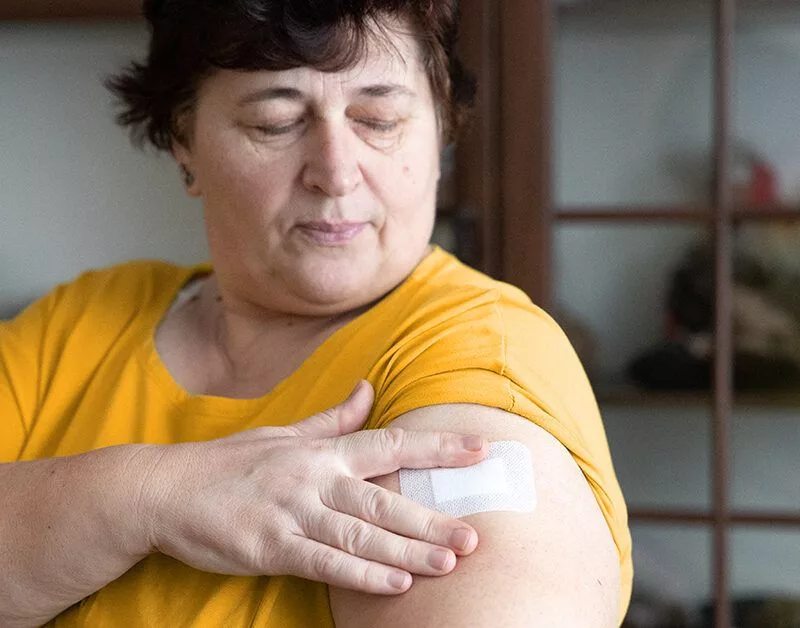
Learn how to stop bleeding HT patches quickly with practical tips, patch placement advice, and when to seek medical help for safe hormone t…

Periods on HRT patches can cause spotting, monthly bleed or no bleed at all; learn why it happens, when to worry, and how to manage it safe…

Asymptomatic menopause silently affects bone density, heart health and mood. Try self‑checks and tips to stay healthy during this transitio…

A menopause skin care diet rich in hydration, collagen‑supporting protein, antioxidants and phytoestrogens restores elasticity, moisture an…

Menopausal hot flashes disrupt daily life, but breathing tricks, cooling hacks, lifestyle tweaks, and proven medicines can bring relief.

Your genetic menopause age sets a baseline, but lifestyle, health habits, and medical choices can shift that timing by several years.

Start perimenopause period tracking today to spot hormonal shifts, predict menopause, and manage symptoms with paper templates or free apps.
General information only — not medical advice. Always consult a qualified healthcare professional about your own situation.