
Oral Health
How Long Do TMJ Disorder (TMD) Symptoms Last?
How Long Can Tmj Last: Symptoms may resolve in days to weeks, but chronic TMD can persist months to years; treatment shortens recovery time.

Oral health encompasses the condition of teeth, gums, tongue, and supporting mouth structures critical to digestion, speech, and systemic well-being. Common conditions such as dental caries, gingivitis, periodontitis, and oral candidiasis arise from bacterial plaque accumulation, poor hygiene, tobacco use, or nutritional deficiencies. Ea…
How Long Can Tmj Last: Symptoms may resolve in days to weeks, but chronic TMD can persist months to years; treatment shortens recovery time.

Cheek biting is often linked to stress, anxiety, or dental issues. Learn the causes and practical ways to stop.

Biting Tongue In Sleep can stem from bruxism, seizures, or sleep disorders—practical tips and treatments to reduce nocturnal tongue injurie…

Tongue Piercing Healing Stages — a clear 6–8 week timeline, daily aftercare tips, when to change jewelry, and signs of infection to watch f…

Tongue sucking can affect teeth and jaw over time. Learn why it happens, its effects, and proven ways to stop the habit.

Dental Anesthesia helps reduce pain and anxiety during procedures; learn options, risks, precautions, and what to expect before and after t…

Dentures Vs Implants comparison to help you weigh costs, maintenance, comfort, and bone requirements when choosing the best tooth replaceme…

Crown Fell Out — steps to protect the tooth, keep the crown safe, and seek dental care promptly to re-cement or replace the restoration.

Cemented Crown restores damaged teeth, improves function and appearance, and offers durable, natural-looking results with proper care and f…

Black Gums can stem from bruises, amalgam tattoos, benign moles, or rarely oral cancer. Monitor changes and consult a clinician if concerne…

Sore Gums can signal gingivitis, hormonal changes, or dental appliance irritation; tips to ease pain and when to see your dentist.
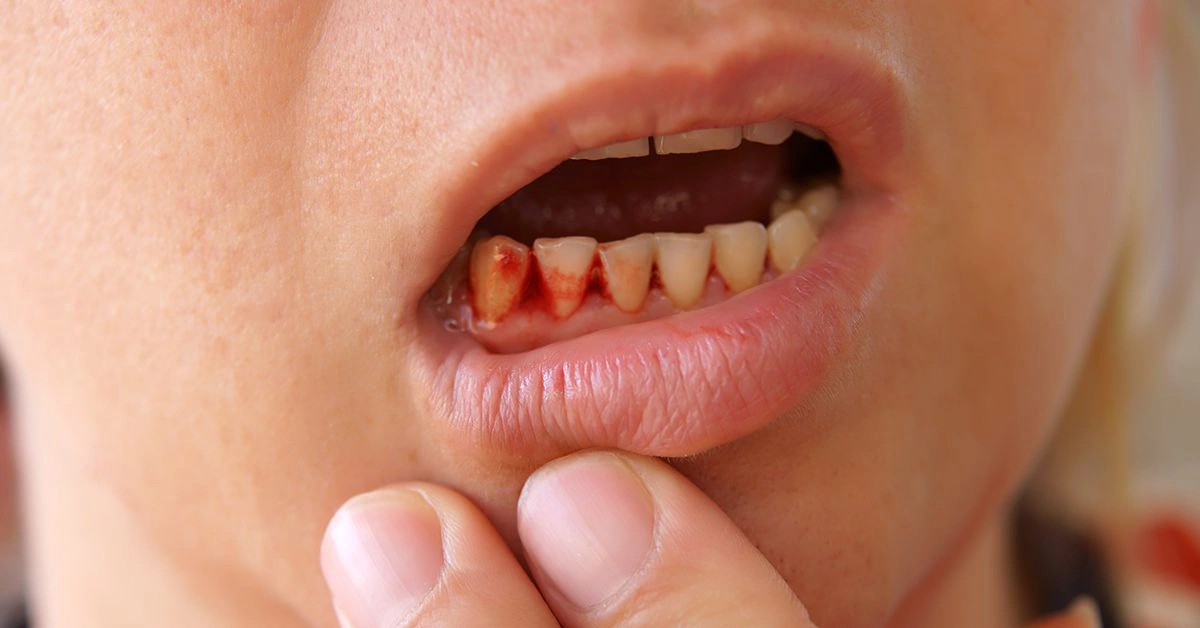
Cut On Gums: quick home care tips to control bleeding, reduce infection risk, and know when to seek medical help for faster healing.
General information only — not medical advice. Always consult a qualified healthcare professional about your own situation.