
Signs & Symptoms
Driving After Concussion: When Is It Safe to Drive?
Driving after concussion can slow reaction time; wait 24‑48 hours, ensure symptoms are gone, and pass a cognitive screen before driving.
Driving after concussion can slow reaction time; wait 24‑48 hours, ensure symptoms are gone, and pass a cognitive screen before driving.

Recognizing blood clot symptoms such as swelling, pain, warmth, and color changes can prompt swift medical care and prevent serious complic…

The narcolepsy sleepwalking link ties daytime sleep attacks to nighttime wandering, affecting many patients. Spot symptoms, risks, safety s…

Learn the most common scoliosis symptoms, from uneven shoulders to rib humps, and know when professional help is needed to protect your spi…
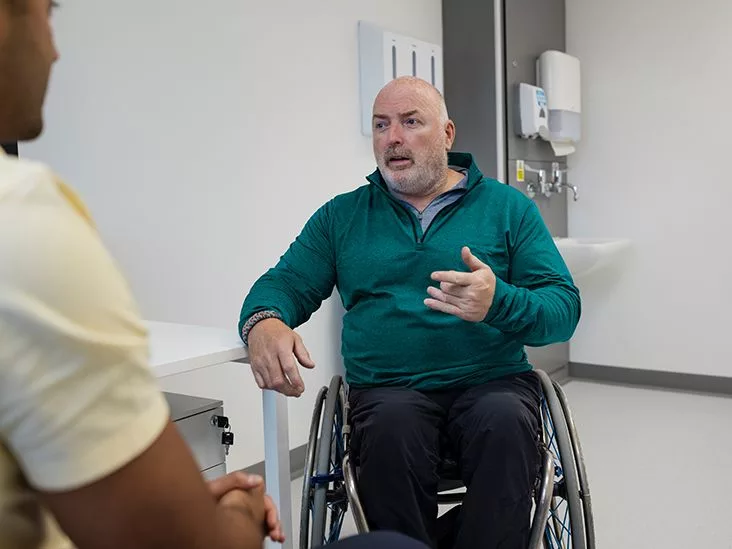
A tingling symptom ALS is rare, but it may appear in patients. Learn how doctors evaluate tingling, rule out other conditions, and next ste…

Spotting signs of a stroke fast could save lives. Learn FAST (face, arms, speech, time) and hidden symptoms to act before brain damage happ…

Your fatigue, cough, or anxiety might hide red flags for serious conditions. A doctor shares what to watch for—no 'just' about it.

Know the critical heat stroke symptoms and how to act fast. A severe heat dome traps scorching air. Learn first aid steps and prevent disas…

Worried about anxiety or chest pain? Find out how Sharp Hospital's ER helps with emergencies, what to expect, and when to go for fast, expe…

Worried about your dog not eating but drinking water? Check these 12 critical signs that signal a vet visit, plus tips to keep your pup thr…
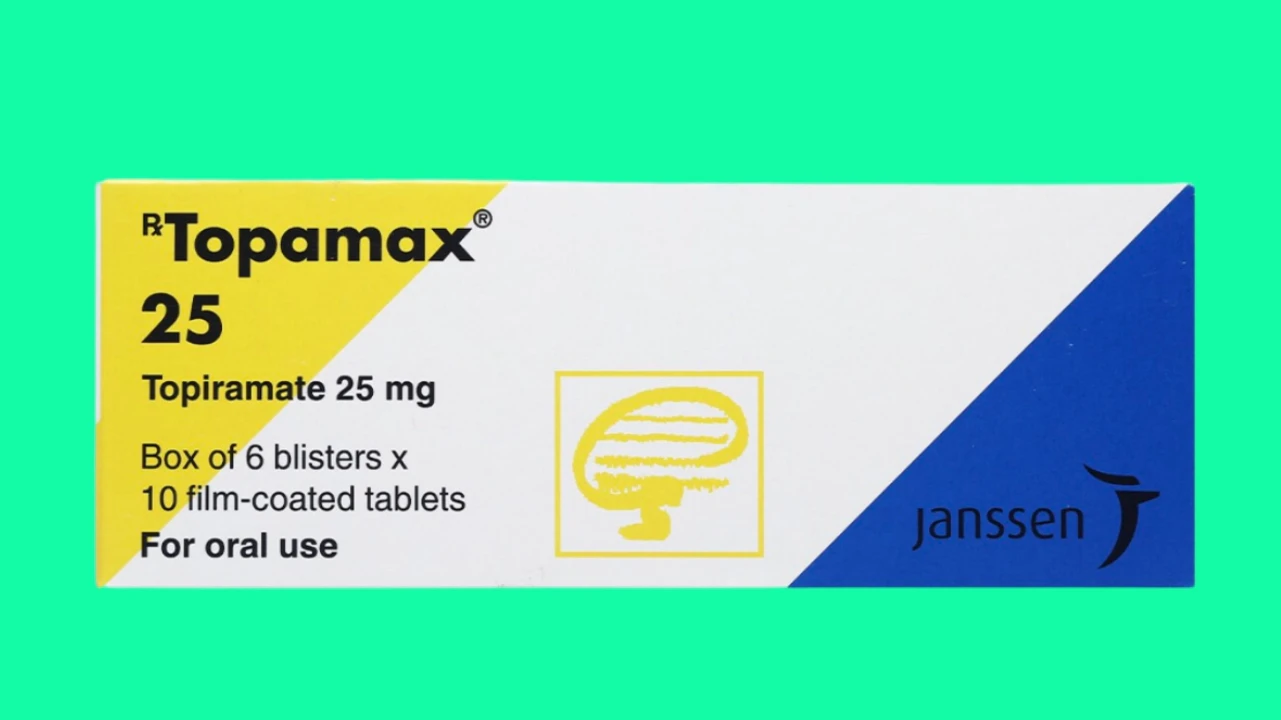
Worried about Topamax? Get insights on its side effects, from weight loss to vision issues, and see if this epilepsy drug suits your needs.

Worried about a dislocated hip? Here’s how to spot the signs, what steps to take, and how to get help fast in this friendly guide. Stay inf…
General information only — not medical advice. Always consult a qualified healthcare professional about your own situation.