
Supplements
8 Benefits and Uses of Oregano Oil
9 oregano oil benefits and uses: key health advantages, from antimicrobial and antioxidant effects to potential anti-inflammatory and gut-s…

Dietary supplements, including vitamins, minerals, amino acids, and herbal extracts, are used to correct nutritional gaps and support specific physiological functions. Improper dosing can lead to toxicity, organ stress, or adverse reactions, particularly in individuals with pre-existing kidney or liver conditions. Certain supplements int…
9 oregano oil benefits and uses: key health advantages, from antimicrobial and antioxidant effects to potential anti-inflammatory and gut-s…

Timing matters — best time for creatine is around workouts or with meals to boost uptake; take 3–5 g daily for maintenance or 5 g near trai…

10 benefits of creatine enhance strength, cognition, muscle growth, recovery, and metabolic health in athletes and older adults.

Creatine pros and cons: balanced look at benefits like strength and cognition, plus risks such as bloating and kidney-marker changes at hig…

Types of creatine explained: a concise review of the top six forms, their benefits, and which one is best supported by research.

Magnesium glycinate supports sleep, anxiety relief, bone health, and blood sugar control; a gentle, well-absorbed supplement option for man…

Magnesium types explained: 10 common forms, what they’re used for, absorption differences, and which may suit specific health needs.
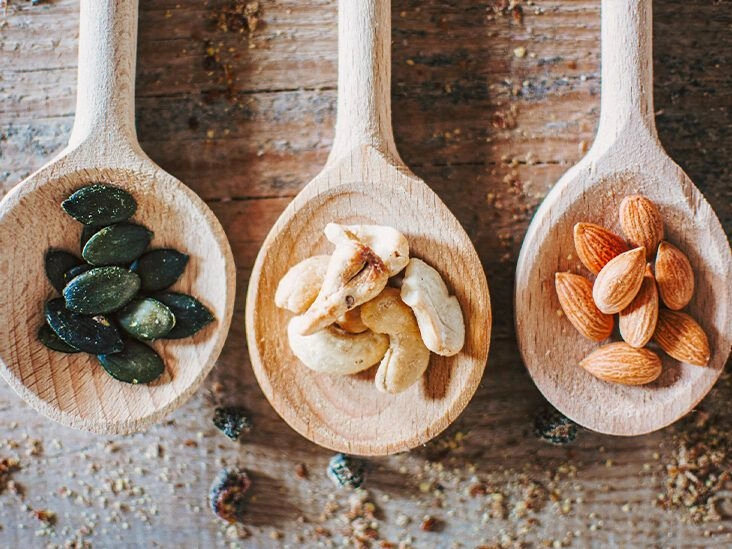
Magnesium benefits include better sleep, mood, blood sugar control, heart health and reduced inflammation — backed by research and practica…

Coenzyme Q10 supports energy production, heart and brain health, skin aging, and may aid diabetes and exercise performance in adults.

Evening primrose oil may ease acne, eczema, PMS and more, but evidence is limited. Check benefits, risks, and interactions before trying EP…
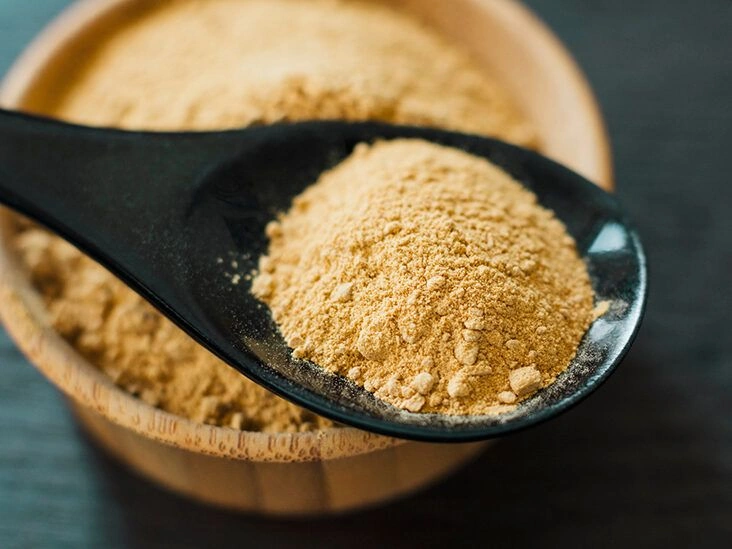
Benefits of maca root may include improved libido, mood, energy, and relief from menopausal symptoms while research continues to grow.

cbd vs thc — concise guide on effects, legality, medical uses, and testing so you can compare benefits, risks, and practical considerations…
General information only — not medical advice. Always consult a qualified healthcare professional about your own situation.