Does My Chocolate Craving Mean Anything?

- 1. For a sugar fix
- What to do about it
- 2. Because you’re hungry
- What to do about it
- 3. For a caffeine boost
- What to do about it
- 4. Out of habit, culture, or stress
- What to do about it
- 5. Because your body needs magnesium
- What to do about it
- The healthiest ways to have chocolate
- Health benefits of cocoa
- What to do if you’re trying to cut chocolate out
- Takeaway
Food cravings are widespread. The inclination to want foods rich in sugar and fat is well-documented in nutrition studies. As an item high in both sugar and fat, chocolate ranks among the most frequently desired treats in the United States.
Below are five possible causes for chocolate cravings and practical steps to address them:
1. For a sugar fix

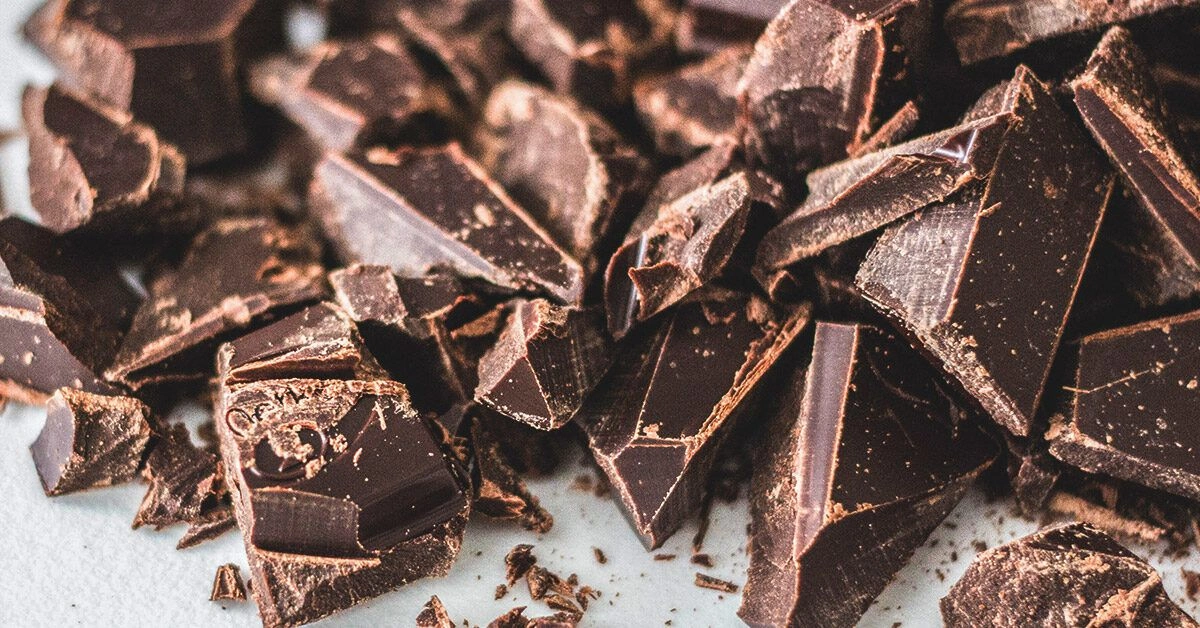
Chocolates are produced by blending cocoa powder and cocoa butter with sweeteners and other components. Cocoa butter provides most of the fat in chocolate. Different chocolate varieties contain different amounts of cocoa powder (often referred to as the cacao percentage). Dark chocolate contains the most cocoa solids, while white chocolate contains the least. Chocolate also includes other ingredients like sugars, milk powders, and nuts.
Cocoa has a naturally bitter flavor. To make chocolate more palatable, manufacturers add considerable sugar. Sugar is a carbohydrate that your body digests rapidly. Some people feel this quick “sugar rush” gives a brief lift in mood. Most studies, however, indicate that it’s the blend of fat and sugar that makes certain foods particularly hard to resist.
A basic Hershey’s milk chocolate bar contains 24 grams of sugar. Other bars with additions like caramel, nougat, or marshmallow can have even more sugar. For instance, a Snickers contains 27 grams of sugar. Bars with more than 75 percent cacao usually have less sugar (under 10 grams per bar).
Research indicates that sugars (and other refined carbs) are a major factor in processed foods that may be addictive.
What to do about it
The American Heart Association recommends that women limit added sugar to 25 grams per day (about six teaspoons) and men to under 36 grams (nine teaspoons). You can cut down on sugar by choosing chocolate with a higher cacao percentage. If you’re worried about sugar, try this straightforward three-step strategy to reduce your sugar cravings.
2. Because you’re hungry

Often, chocolate cravings have a simple explanation: you’re actually hungry. When your body needs fuel, it tends to crave quick carbohydrates like refined sugars. Unfortunately, most processed chocolate ranks high on the glycemic index, meaning it delivers a rapid but fleeting sugar spike. After the spike fades, hunger often returns.
What to do about it
Defeat chocolate cravings by satisfying your hunger with other foods. Once you’re full, persistent thoughts about chocolate should fade. Opt for items low in sugar and higher in protein or whole grains. Those choices will keep you satiated longer and help avoid a sugar crash.
3. For a caffeine boost

Chocolate does contain some caffeine, but usually in small amounts. Processing cacao reduces its caffeine content. Most commercial chocolate candy bars contain under 10 mg of caffeine. For comparison, a typical cup of coffee contains about 85 to 200 mg of caffeine.
Certain dark chocolates, though, can have more caffeine than a can of cola (which is about 30 mg). The greater the cacao percentage, the higher the caffeine level.
Caffeine activates the central nervous system, making you feel more alert. It also alters levels of neurotransmitters such as dopamine, which may contribute to its habit-forming potential. For people who seldom consume caffeinated drinks, the caffeine in chocolate can provide a noticeable lift. Regular caffeine consumers, however, often develop tolerance.
What to do about it
Try a cup of black tea for a milder caffeine lift that’s also rich in antioxidants.
See a comparison of caffeine amounts in hot chocolate versus tea, soda, and coffee for more detail.
4. Out of habit, culture, or stress

About 50 percent of American women report craving chocolate around the start of their period. Scientists have not found a clear biological cause for this pattern. Women from countries where chocolate isn’t commonly linked to PMS report far fewer such cravings.
In short, women may desire chocolate during menstruation out of habit because cultural beliefs tell them it’s normal.
Additionally, when you’re stressed, anxious, depressed, or uneasy, it’s tempting to reach for a familiar comfort food that gives immediate pleasure.
What to do about it
Mindful eating can help you recognize habitual cravings. Pause and ask why you want chocolate. If you’re not hungry, consider an alternative or allow yourself a small portion.
Practices like mindfulness meditation and other stress-reduction techniques can help you cope with stress in healthier ways.
5. Because your body needs magnesium

Studies show that chocolate contains notable amounts of magnesium. Researchers have debated whether magnesium deficiency might drive chocolate cravings. This seems unlikely, since other foods that are richer in magnesium, such as nuts, are not commonly craved.
What to do about it
You can find magnesium supplements at pharmacies. Alternatively, eat magnesium-rich foods like raw almonds, black beans, or whole grains.
The healthiest ways to have chocolate
The best approach to enjoy chocolate nutritiously is to choose varieties with a high cacao percentage. These have more antioxidants and generally contain less sugar than other types.
Seek chocolate that is sourced ethically through fair trade or similar practices that safeguard the workers involved in production. Roughly 60 percent of the world’s cacao is grown in West African countries where child labor is a serious concern. Research funded by the U.S. Department of Labor identified over 1.75 million children working on cacao farms in Côte d’Ivoire and Ghana during 2008–2009.
Consumer guides and groups such as Ethical Consumer from the U.K. offer resources for learning about product sourcing. Ethical Consumer’s chocolate scorecard can help you pick chocolate brands that match your ethical priorities.
Health benefits of cocoa
Health advantages attributed to chocolate stem mainly from natural cocoa powder. Chocolate with at least 70 percent cacao may:
- enhance memory
- reduce inflammation
- lower cardiovascular disease risk
- support immune function
- alleviate stress
- lift mood
- decrease risk of diabetes
What to do if you’re trying to cut chocolate out
Looking to resist chocolate cravings? While chocolate has potential health perks, its high sugar and fat content can be harmful for some individuals. Below are tips to help eliminate chocolate from your diet.
- Stay well hydrated — aim for about eight 8-ounce glasses of water daily.
- Include healthy fats such as olive oil, nuts, and avocados to stay satisfied.
- Follow a balanced diet with plenty of lean protein, fruits, vegetables, and whole grains.
- Choose organic nut butters without added sugars.
- Use organic fruits, low-fat yogurts, and smoothies to satisfy sweet cravings.
- Experiment with baking recipes that emphasize whole grains instead of added sugars to prevent sugar crashes.
Takeaway
Craving chocolate is a normal experience, but there are sensible ways to manage it. Dark chocolate with a high cacao percentage offers several health benefits, so it’s reasonable to enjoy it in moderation. Remember that foods high in sugar and fat can promote weight gain, so practice portion control and mindful choices.
Frequently Asked Questions
Chocolate cravings can stem from hunger, the sugar-and-fat composition of chocolate, mild caffeine, habitual or cultural cues, stress, or even perceived mineral needs like magnesium.
Not usually. While chocolate contains magnesium, most experts think deficiencies are unlikely to cause specific chocolate cravings since other magnesium-rich foods aren’t commonly craved.
Moderate intake of high‑cacao (70%+) dark chocolate can provide antioxidants and potential benefits like reduced inflammation and improved mood, but watch portions and added sugar.
Manage hunger with protein and whole grains, stay hydrated, practice mindful eating, swap in healthier snacks, and address stress with relaxation techniques to lower habitual cravings.
Chocolate’s mix of sugar and fat can be highly palatable and habit-forming for some people, but it’s not classified as an addictive substance in the same way as drugs; moderation helps.



Related Posts

Carbohydrates in Brown, White, and Wild Rice: Whole vs. Refined Carbs
Aug 5, 2026 • 7 min read
Spinach 101: Nutrition Facts and Health Benefits
Aug 25, 2026 • 30 min read
What Is Wormwood, and How Is It Used?
Aug 5, 2026 • 31 min read
Club Soda, Seltzer, Sparkling Water, and Tonic Water: A Comparison
Aug 7, 2026 • 15 min read
2025 Noom Diet Review: Follow Our Reviewer’s 12-Month Weight Loss Journey
Sep 17, 2026 • 12 min read