Asking for a Friend: Are ‘Hangover Shakes’ Normal?


You wake up after a night of drinking feeling rougher than usual. While that’s a typical part of a hangover, there are some symptoms you might not immediately recognize.
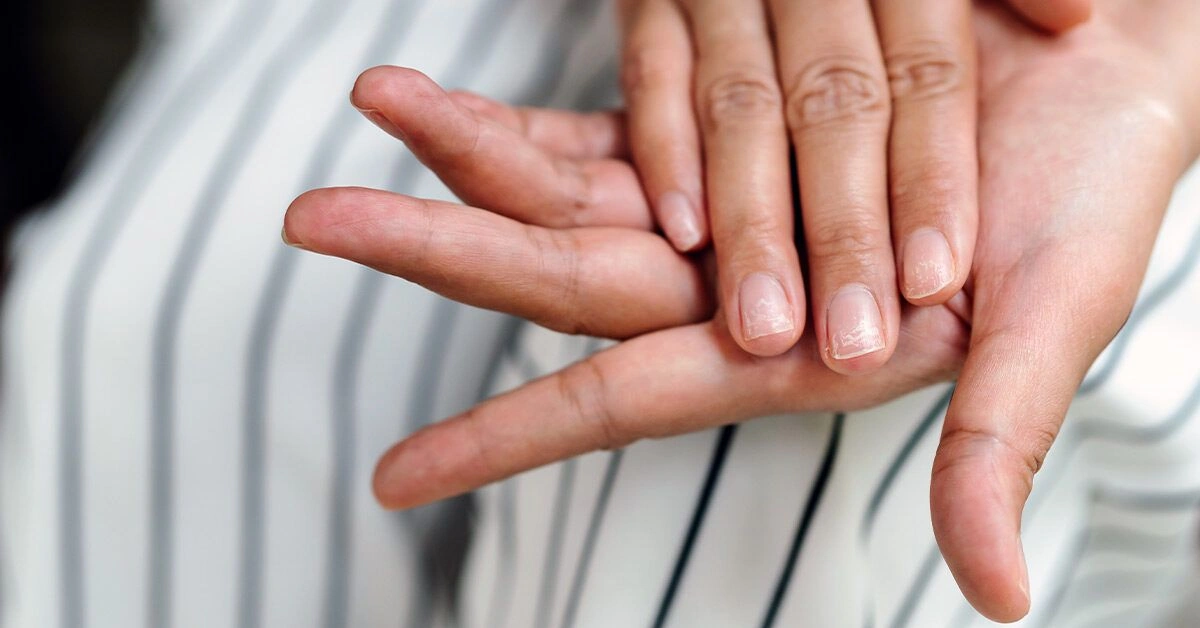
Take so-called “hangover shakes,” for example. That trembling sensation you notice after drinking actually has a name.
What causes hangover shakes, and do they indicate anything serious? Keep reading to learn more and pick up some simple tips to help you feel better.
How it feels
Many people notice tremors or shakiness when they have a hangover, though the experience can differ widely between individuals.
You may primarily feel tremors in your hands or fingers, or they might be more widespread. Some people report shakes in their arms, eyes, head, and even their voice.
Timing varies as well, depending on how much you drank and your individual physiology. Usually, though, tremors don’t persist beyond a day or two. If you drink regularly, you may find these post-drinking shakes occur more often.
Why it happens
Tremors and shaking are commonly linked with alcohol withdrawal. In fact, hangover shakes may stem from similar nervous system changes that underlie withdrawal tremors, according to some older studies .
When alcohol is in your system, your body compensates by reducing the number or sensitivity of receptors for the neurotransmitter gamma-aminobutyric acid (GABA). At the same time, it increases the number or sensitivity of receptors for glutamate, another neurotransmitter, to offset alcohol’s sedative effects.
As the alcohol clears, the central nervous system — along with parts of the sympathetic nervous system — can remain out of balance.
Your sympathetic nervous system governs stress responses, including sweating, faster heart rate, and — yes — tremors or shaking.
Low blood sugar may also contribute, since alcohol can interfere with how your body regulates glucose. When blood sugar dips, it can trigger shaking along with other hangover symptoms like sweating and headaches.
How to deal with it
Hangovers commonly begin a few hours after you stop drinking as your blood alcohol concentration (BAC) falls. Symptoms typically peak as BAC reaches zero, but can linger for up to 24 hours.
Meanwhile, you can try easing symptoms by sticking to basic hangover care:
- Stay hydrated.Fluids are essential after drinking. Consider sipping a sports drink for electrolytes.
- Eat something.While some people insist on a heavy, greasy breakfast, that’s often not ideal if you’re queasy. Opt for bland, gentle foods like crackers, broth, or toast to calm your stomach and raise blood sugar.
- Get rest.No quick fix beats resting. If you have hangover shakes, you likely also have a headache and other symptoms. Give your body time to recover — whether that means spending the day in bed or taking it easy instead of walking or doing strenuous activities.
Curious how long this will last? We cover that above.
When to be concerned
Remember that shaking and tremors can also signal alcohol withdrawal syndrome, which can occur if you’ve been drinking heavily for a long time and then stop or sharply cut back.
If you suspect your tremors are due to withdrawal, contact a healthcare professional. Alcohol withdrawal can usually be managed, but it may be very uncomfortable and sometimes includes severe symptoms like confusion, hallucinations, or seizures.
If you’d rather not speak with your usual provider, free and confidential support is available through the Substance Abuse and Mental Health Services (SAMHSA) helpline at 1-800-662-4357.
The bottom line
A bit of shaking after drinking can be unpleasant but is usually not dangerous. Take it easy for the day, drink plenty of fluids, and eat something.
If tremors persist beyond 24 hours or you’re worried they could be a sign of withdrawal, seek medical advice promptly.
Frequently Asked Questions
Hangover shakes are the trembling or tremors people sometimes experience after drinking alcohol, often affecting hands, arms, head, or voice.
They can result from nervous system imbalance after alcohol clears, alterations in GABA and glutamate signaling, low blood sugar, dehydration, or mild withdrawal effects.
They typically peak as blood alcohol concentration falls and usually resolve within 24 hours, though timing varies by individual and amount consumed.
Rest, hydrate (water or electrolyte drinks), and eat gentle, carbohydrate-containing foods like toast or crackers to raise blood sugar and help recovery.
Contact a healthcare professional if tremors persist beyond 24 hours, worsen, or are accompanied by severe symptoms such as confusion, hallucinations, or seizures, as these may signal alcohol withdrawal.



Related Posts

What Causes Love Handles and How To Get Rid of Them
Sep 20, 2026 • 13 min read
Spinach 101: Nutrition Facts and Health Benefits
Aug 25, 2026 • 22 min read
Understanding the FAST Scale for Dementia
Aug 29, 2026 • 16 min read
6 Best Protein Powders for Weight Gain in 2025
Oct 2, 2026 • 29 min read
Agave Nectar: A Sweetener That’s Even Worse Than Sugar?
Sep 12, 2026 • 23 min read