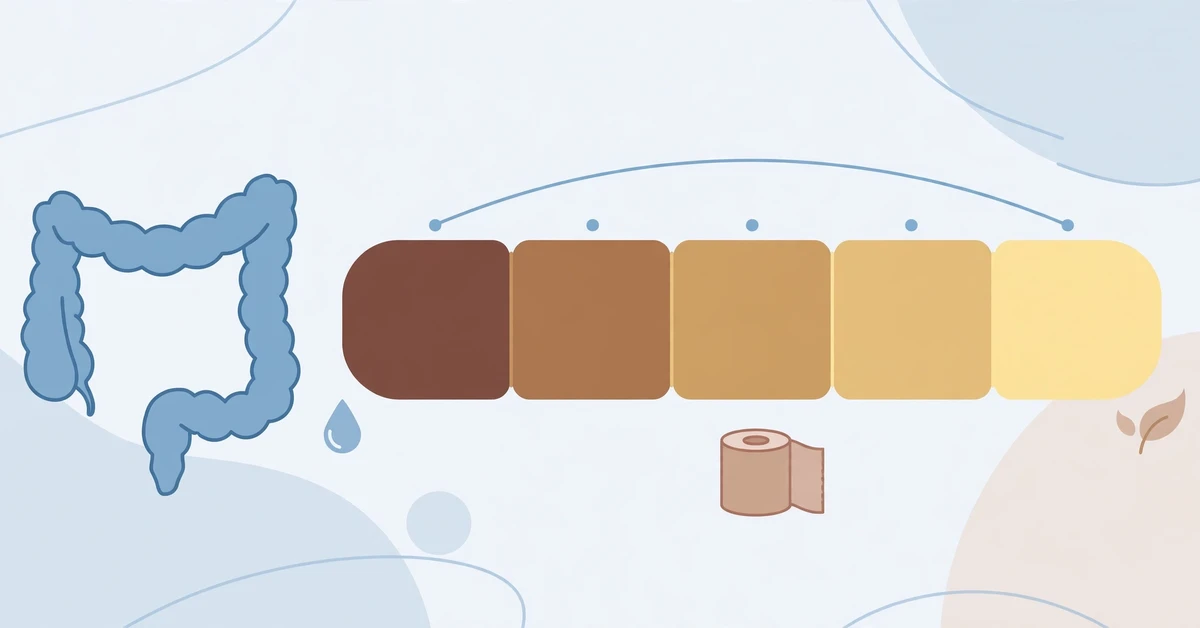
IBS Flare Up Symptoms: What They Feel Like and What Helps

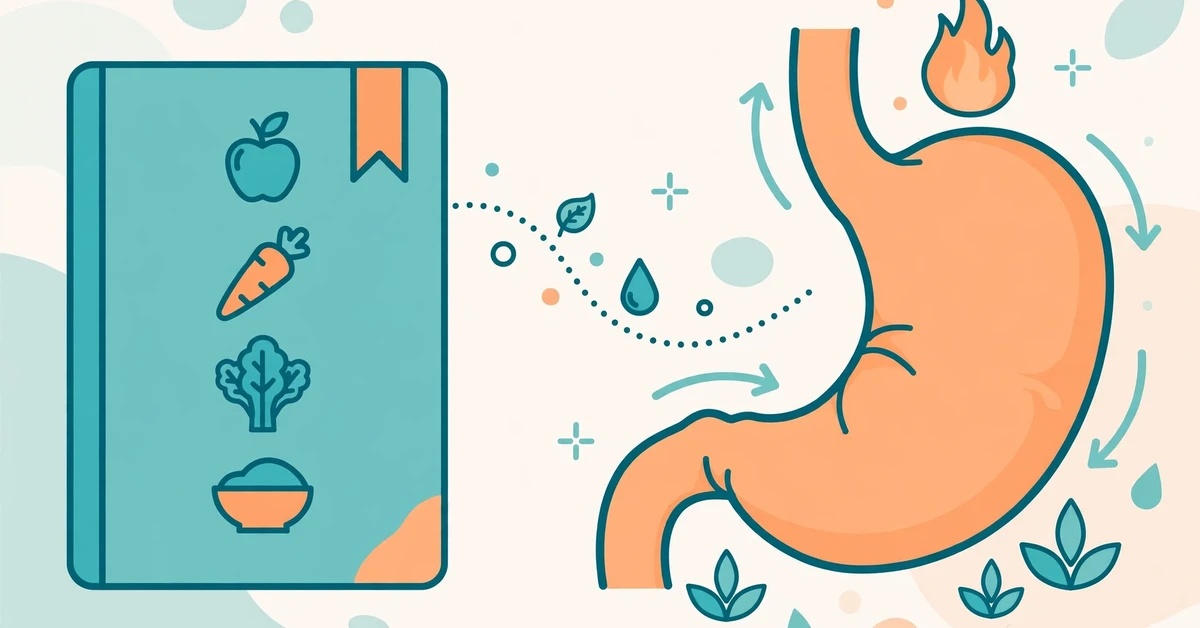
- What an IBS flare-up feels like
- Abdominal pain and cramping
- Bloating and gas
- Diarrhea, urgency, and incomplete emptying
- Constipation and straining
- The symptoms beyond the gut
- How long does a flare-up last?
- What sets a flare-up off
- IBS flare-up checker
- IBS flare-up checker
- What helps in the first 24 hours
- Eat small, plain, and slow
- Heat and movement
- Calm the gut-brain loop
- Medicines that can help
- Longer-term ways to make flare-ups rarer and milder
- Red flags: when it is not just IBS
- Living with flare-ups
Dinner was fine. Then, somewhere between the main course and the drive home, your gut changed its mind. The cramping started low and tight, the bloating made your waistband feel two sizes too small, and by the time you got home you were running for the bathroom — or sitting on the couch, unable to go at all, with a belly that felt like a balloon someone kept inflating. If that sounds familiar, you have probably had an IBS flare-up, and you are far from alone: irritable bowel syndrome affects an estimated 10 to 15% of people worldwide, and almost everyone who has it knows the pattern of feeling fine for weeks and then, without much warning, not fine at all.
A flare-up is a return or a worsening of your usual IBS symptoms, lasting anywhere from a few days to several months, according to Healthgrades and the NHS. It is not a new disease and it does not mean your gut is damaged — IBS does not cause inflammation or raise the risk of bowel cancer — but it can take over a day, a week, or a whole holiday. This guide covers what a flare-up actually feels like, symptom by symptom, what tends to set one off, how long one lasts, what helps in the first 24 hours, and the red flags that mean the symptoms are not IBS and need a doctor.
What an IBS flare-up feels like
The core of a flare-up is the same set of symptoms that defines IBS, turned up. The Rome IV criteria, the standard doctors use to diagnose IBS, describe recurrent abdominal pain at least one day a week over the past three months, linked to bowel movements or to a change in stool form or frequency. In a flare-up, that pain and those changes get worse, and extra symptoms pile on top.
Abdominal pain and cramping
Pain is the symptom most people name first. It usually sits in the lower abdomen, often on the left side where the descending colon runs, but it can move to the middle, the right side, or up toward the ribs. The pain tends to come in waves — cramping that builds, peaks, and eases — and it often eases after a bowel movement, which is one of the clues doctors look for. A flare-up can also bring a constant dull ache that sits in the background all day, or sharp, stabbing pain with a sudden bout of diarrhea.
Bloating and gas
Bloating is the symptom people with IBS rate as the most bothersome, and in a flare-up it can be dramatic: the belly visibly swells, clothes stop fitting by the afternoon, and the pressure makes it hard to sit comfortably. Gas adds to it — trapped wind, frequent passing of wind, and a gurgling, noisy gut. Bloating in IBS comes from a mix of extra gas, a gut that moves gas through slowly, and a nervous system that is extra sensitive to normal amounts of stretching inside the bowel, a phenomenon doctors call visceral hypersensitivity.
Diarrhea, urgency, and incomplete emptying
In an IBS-D flare-up, diarrhea arrives suddenly and urgently — the “I need a bathroom now” feeling that makes people plan their routes around toilets. Stools are loose and watery, and there may be whitish mucus in them. Even after going, the feeling that the bowel has not emptied fully is common, and it can send you back to the bathroom three times in an hour. The urgency is real and physical, not a matter of willpower: the colon is contracting harder and faster than it should.
Constipation and straining
In an IBS-C flare-up, the picture flips. Stools become hard, lumpy, and hard to pass. Days can go by without a proper bowel movement, and when one comes it takes straining. The pain in IBS-C is often a dull, heavy ache in the lower left abdomen that lingers for days, easing only slowly after a bowel movement. Many people swing between the two — IBS-M, the mixed type — with a flare-up that starts with constipation and ends in diarrhea, or the other way around.
The symptoms beyond the gut
A flare-up is not only a belly problem. Fatigue is one of the most reported extra symptoms — a washed-out, heavy tiredness that sleep does not fix. Nausea is common, and some people vomit. Backache, headaches, and muscle aches show up too. Sleep gets worse, because pain and the need to use the bathroom break the night up, and poor sleep makes the gut more sensitive the next day, which is a loop worth knowing about. Anxiety often rides along with a flare-up, and it is not “all in your head” — the gut and the brain talk to each other constantly through the gut-brain axis, and stress hormones can speed up or slow down the gut within minutes.

How long does a flare-up last?
There is no fixed length. Healthgrades notes that IBS flare-ups can last a few days for some people and several months for others. A short flare-up — two or three days after a trigger meal or a stressful week — is the most common pattern. A longer one often follows a stomach infection, a big life stress, or a change in diet or medicine, and it can take weeks of steady routine to settle. What matters more than the calendar is the trend: is this flare-up getting a little better each week, or is it stuck, or getting worse? A flare-up that is not improving after a few weeks, or one that keeps coming back harder each time, is worth a conversation with your doctor, even if you have had IBS for years.
What sets a flare-up off
Triggers are personal — the food that sets off your gut may be fine for the next person with IBS — but the usual suspects show up again and again in research and in clinic:
- Food: large meals, eating very fast, fatty foods, spicy foods, caffeine, alcohol, carbonated drinks, and high-FODMAP foods such as onions, garlic, wheat, beans, and some fruits. A food diary is the fastest way to find your own triggers.
- Stress and anxiety: work deadlines, travel, poor sleep, and arguments all show up as gut symptoms, because stress changes how the gut moves and how sensitive it is.
- Hormones: many women notice flare-ups around their period, when changing hormone levels affect the gut.
- A stomach infection: food poisoning or a stomach bug can trigger a flare-up that lasts for weeks after the infection itself has cleared. Doctors call this post-infectious IBS.
- Medicines: some antibiotics, painkillers, and other drugs can disturb the gut. Never stop a prescribed medicine without talking to your doctor first.
- Skipped meals and irregular routines: long gaps between meals, or a sudden change in fibre intake, can unsettle a sensitive gut.
IBS flare-up checker
Tick the symptoms you have had in the last few days. The checker gives you a rough sense of how strong this flare-up is and which pattern it leans toward — diarrhea, constipation, or mixed — so you can describe it clearly to your doctor.
IBS flare-up checker
Tick every symptom you have had in the last few days.
What helps in the first 24 hours
A flare-up rarely needs a dramatic response. The steps that help most are small, steady, and boring — which is why they work.
Eat small, plain, and slow
Switch to smaller meals for a day or two, eat slowly, and chew well. Plain foods that most people with IBS tolerate in a flare-up include rice, oats, plain chicken or fish, eggs, carrots, and bananas. Skip the big, fatty, spicy meal, skip alcohol and caffeine for a day, and drink water steadily rather than in large gulps. If you know a food sets you off, cut it out for now — this is not the week to test it.
Heat and movement
A hot water bottle or a warm bath can ease cramping more than most people expect, because warmth relaxes the smooth muscle of the gut wall. Gentle movement helps too: a slow walk after eating moves gas through and eases bloating, while lying still on the couch tends to make it worse. Gentle yoga poses such as Child's Pose and a supine twist are often recommended for IBS cramping.
Calm the gut-brain loop
Slow breathing — in for four counts, hold for four, out for six — can take the edge off both the pain and the anxiety that comes with it. It sounds too simple to work, but the gut responds to the nervous system within minutes, and a few rounds of slow breathing is the fastest way to send it a calm signal.
Medicines that can help
Over-the-counter options can take the edge off a flare-up: antispasmodics such as hyoscine butylbromide relax the gut muscle, simethicone can help with gas, and loperamide can slow diarrhea for a short period, such as a journey. For constipation, a gentle osmotic laxative such as polyethylene glycol is often used. Your doctor may prescribe stronger options for repeated flare-ups, including rifaximin for IBS-D or specific probiotic strains such as Bifidobacterium infantis. Always discuss any medicine or supplement with your doctor first, and never use a medicine meant for a different gut condition without advice.

Longer-term ways to make flare-ups rarer and milder
The first-24-hours steps get you through a flare-up. The longer-term steps make the next one less likely, or milder when it comes.
Find your triggers with a diary. Two weeks of noting food, stress, sleep, and symptoms is usually enough to spot a pattern. The low-FODMAP diet — a structured, temporary cut in fermentable carbohydrates, done with a dietitian — helps many people, but it is not a diet to stay on forever, and it is not a do-it-yourself guess. The NHS and the American College of Gastroenterology both recommend doing it with professional guidance and reintroducing foods after a few weeks.
Keep fibre steady, not sudden. Soluble fibre from oats, psyllium, and fruit can help both diarrhea and constipation in IBS, but a sudden jump in fibre makes bloating worse. Add it slowly, a little at a time, with plenty of water.
Protect your sleep and your stress levels. Regular sleep, regular meals, and regular movement are the three routines that matter most for a sensitive gut. Gut-directed hypnotherapy and cognitive behavioural therapy both have good evidence for IBS, and they are worth asking your doctor about if flare-ups keep coming back despite diet changes.
Red flags: when it is not just IBS
IBS is a diagnosis made after other causes have been ruled out, and it does not cause the symptoms below. If any of them appear — whether during a flare-up or not — see a doctor promptly:
- Blood in the stool, or black, tar-like stools
- Unexplained weight loss
- Fever, or pain that wakes you from sleep every night
- Pain that keeps getting worse and does not ease after a bowel movement
- Persistent vomiting, or being unable to keep food or water down
- Symptoms that start for the first time after age 50
- A family history of bowel cancer, coeliac disease, or inflammatory bowel disease, plus new gut symptoms
These can point to inflammatory bowel disease, coeliac disease, a bowel infection, or something else that needs different treatment — and the sooner it is found, the simpler it is to treat.
Living with flare-ups
The hardest part of IBS is not any single flare-up. It is the uncertainty: not knowing whether today will be a good day, whether the restaurant will have a bathroom, whether the meeting will run long. That uncertainty is real, and it is worth naming. People who live well with IBS tend to do three things: they know their own triggers, they have a plan for a bad day (the foods, the heat, the bathroom map, the words to excuse themselves), and they have a doctor who takes the condition seriously. If your doctor dismisses your symptoms, find one who does not.
A flare-up will pass. Most do, in days. The work is in making the next one shorter, milder, and less frightening — and that work starts with paying attention to what your gut is telling you, one flare-up at a time.
Sources: Healthgrades, "Treating an IBS Flare-Up: Causes, Solutions, and Diet" and "How Long Does IBS Last"; NHS, "Irritable bowel syndrome (IBS)"; American College of Gastroenterology, IBS clinical guideline; Rome Foundation, Rome IV criteria for IBS.
Frequently Asked Questions
An IBS flare-up is a worsening of your usual symptoms: abdominal pain or cramps, bloating, gas, diarrhea or constipation, a sudden urgency to use the bathroom, a feeling that the bowel has not emptied fully, mucus in the stool, nausea, and fatigue. Symptoms often ease after a bowel movement.
It varies. Some flare-ups last a few days, while others can last several months, according to Healthgrades. A short flare-up after a trigger meal or a stressful week is the most common pattern. A flare-up that is not improving after a few weeks, or keeps coming back harder, is worth a conversation with your doctor.
Common triggers include large or fatty meals, eating quickly, high-FODMAP foods such as onions, garlic, and wheat, caffeine, alcohol, stress, poor sleep, hormonal changes around a period, a stomach infection, and some medicines. Triggers are personal, and a food and symptom diary is the fastest way to find your own.
Eat smaller, plain meals for a day or two and eat slowly. Foods most people tolerate in a flare-up include rice, oats, plain chicken or fish, eggs, carrots, and bananas. Skip large fatty or spicy meals, alcohol, and caffeine for a day, and drink water steadily. The low-FODMAP diet can help longer term, but it should be done with a dietitian.
See a doctor promptly for blood in the stool or black tar-like stools, unexplained weight loss, fever, pain that wakes you from sleep, pain that keeps getting worse, persistent vomiting, or symptoms that start for the first time after age 50. These red flags can point to a different condition that needs different treatment.
Yes. The gut and the brain talk to each other constantly through the gut-brain axis, and stress hormones can speed up or slow down the gut within minutes. Stress does not mean the symptoms are imagined — it is a real physical trigger, and slow breathing, regular sleep, and gut-directed therapy can all help.
Read Next
How Long Can You Keep Cooked Chicken in the Fridge?
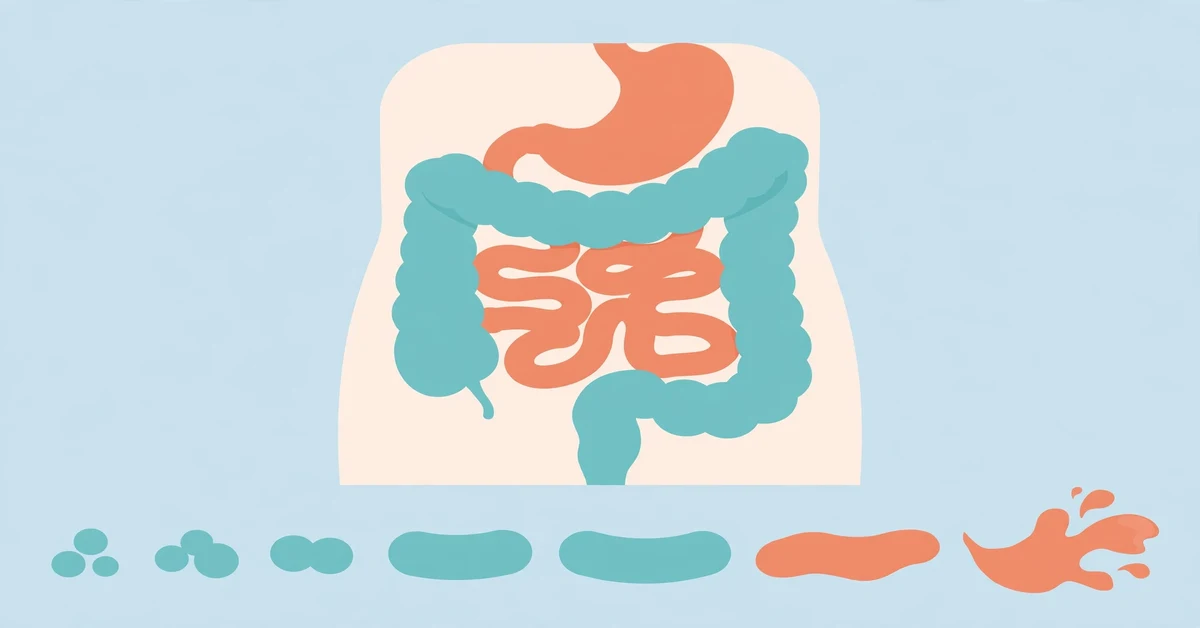
Bristol Stool Chart: What Your Stool Type Means

Salmonella Food Poisoning
Right Hemicolectomy Recovery: Week-by-Week Timeline and What to Eat After Surgery

How Long Can Someone Go Without Food?
What Level of AST Is Dangerous? Ranges, Causes, and When to Worry
Related Posts
Low-Calorie, Low-Fat Foods That Actually Fill You Up
Nov 24, 2026 • 31 min read
Appendix Location: Which Side Is Your Appendix On?
Nov 20, 2026 • 9 min read
How SNL Comedian Kenan Thompson Manages GERD Symptoms After Diagnosis
Sep 26, 2026 • 8 min read
How Much Protein Is in One Chicken Breast?
Nov 24, 2026 • 36 min read
List of Carbonated Foods and Drinks (With Sugar and Acid Levels)
Nov 24, 2026 • 14 min read