What to Expect After Laser Treatment for Spider Veins

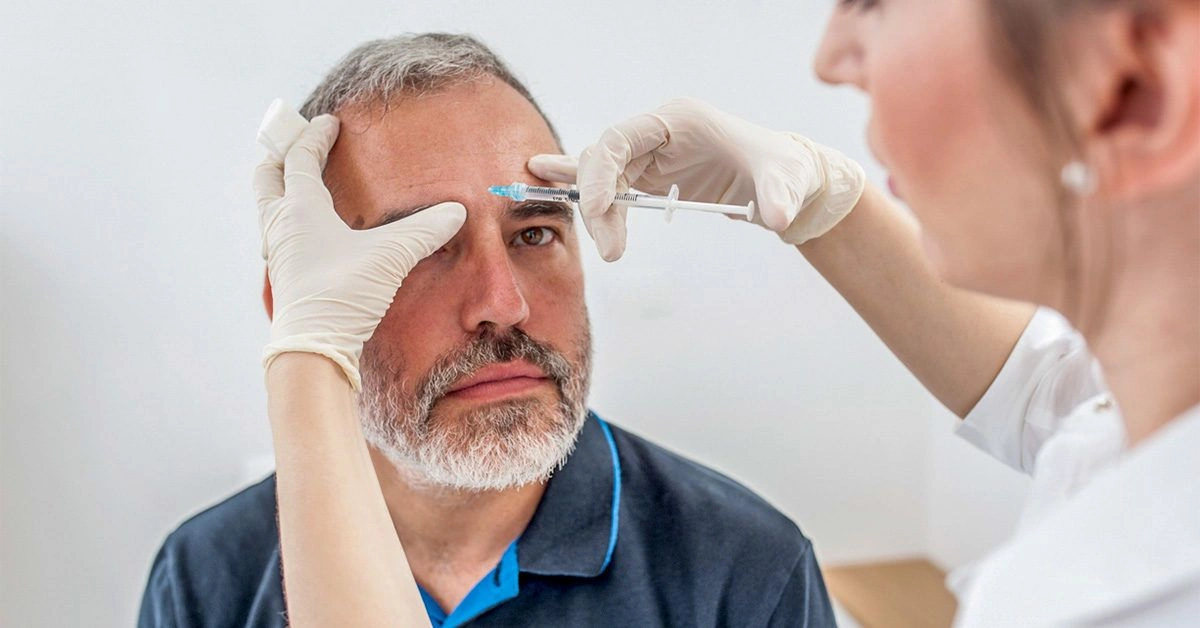
Laser therapy for spider veins is a minimally invasive technique that uses a focused light beam to close off the targeted vessels. Results are not always immediate; it can take several weeks before you observe noticeable improvement.
Laser therapy is among the most frequently chosen treatments for spider veins, also known as telangiectasias. Although spider veins are usually not a medical issue, many people elect to have them removed for cosmetic reasons.
Following a laser session, the treated veins slowly break down over a period of weeks. Depending on the veins’ size and where they are located, additional treatments may be necessary to eliminate them completely.
Below is more information on the typical recovery and timeline.
Types of laser therapy
The primary types of laser approaches include:
- Surface laser therapy: Often used for larger spider veins and varicose veins, this method directs a light beam at the targeted vessels, heating them until they collapse and are absorbed by the body.
- Endovenous laser therapy (EVLT): This technique requires a small skin puncture so a laser fiber can be placed inside the vein itself.
Intense pulsed light (IPL) isn’t technically a laser, but it operates on a similar principle. Instead of a single focused laser beam, IPL delivers high-intensity pulses of light through the skin to affect the veins.
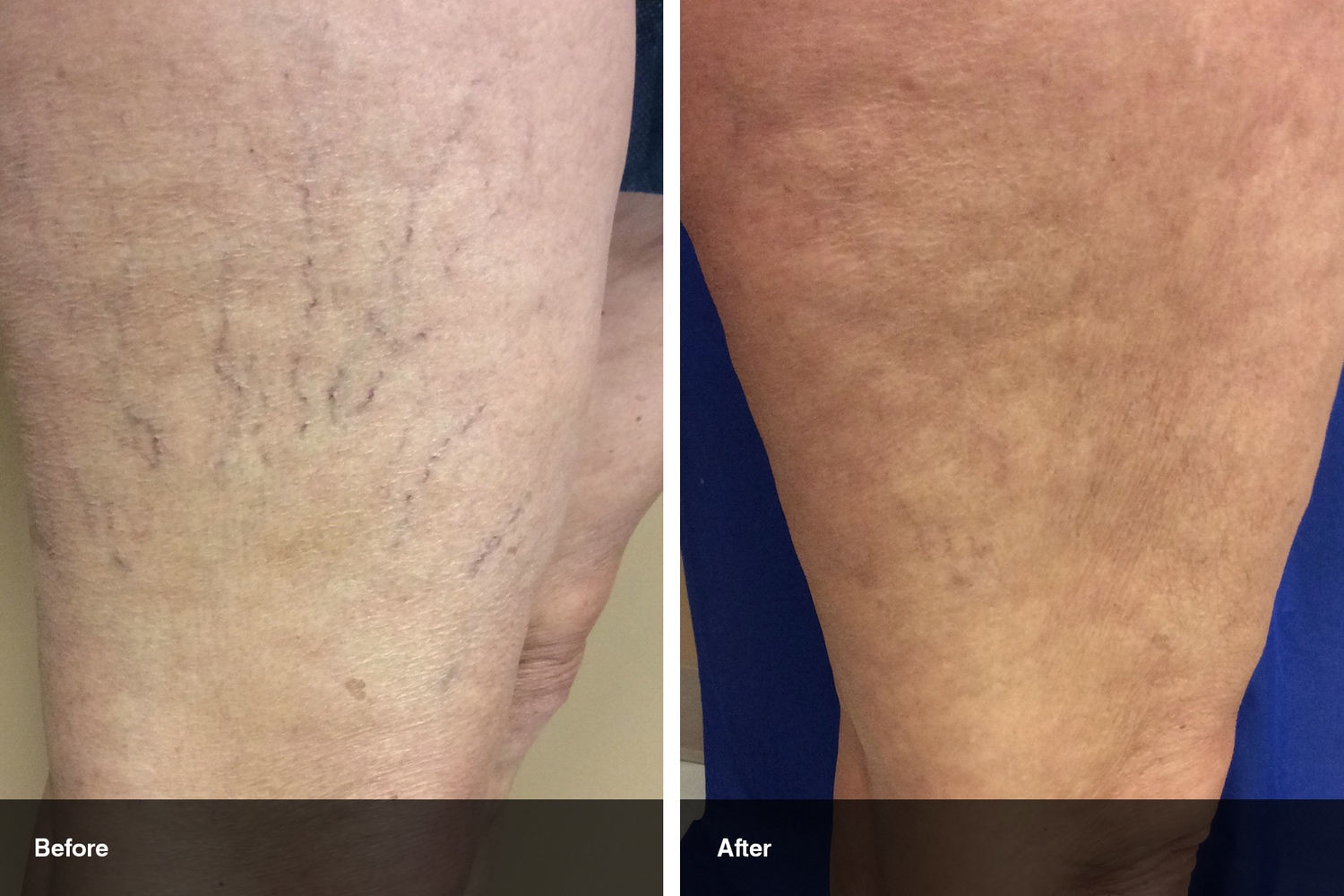
Before and after photos
Images courtesy of Celibre Medical Corporation.
Will I require multiple treatments?
Many patients see a noticeable reduction in the appearance of spider veins after a single session. However, complete removal commonly requires more than one treatment.
The exact number of sessions varies based on vein size, number, and location. Most individuals should plan on anywhere from 1 to 6 treatments to reach their goals.
When will results begin to show?
Smaller spider veins may respond quickly, with some improvement visible right away. Larger vessels often need several weeks to collapse, break down, and fade.
Keep in mind that additional treatments may be necessary before larger veins fully disappear.
How long until full healing?
Immediately after the procedure, the treated area may look bruised, red, and swollen for a few hours. You may also feel a stinging sensation similar to a mild sunburn. Applying a cool compress can help ease discomfort.

After this initial period, you can typically resume normal daily activities. The treated veins will continue to degrade over the following weeks. To support healing, protect the area from sun exposure and use sunscreen when appropriate.
How durable are the results?
In principle, laser treatment provides permanent results for veins that were successfully destroyed along with their feeding vessels—these treated veins should not return.
However, new spider veins can develop over time. Maintaining an active lifestyle and periodically elevating your legs can reduce the chance of new veins forming.
The takeaway
After laser removal of spider veins, expect temporary redness and bruising for several hours. Small veins may show quick improvement, while larger ones will fade over several weeks. Multiple treatments are often required for complete clearance.
Frequently Asked Questions
Some small spider veins may improve quickly, but larger ones often take several weeks as the treated vessels collapse and are absorbed by the body. Multiple sessions can speed overall improvement.
Many patients see significant reduction after one session, but complete clearance commonly requires 1 to 6 treatments depending on vein size, number, and location.
Immediately after treatment you may experience redness, bruising, swelling, and a mild stinging sensation. These symptoms usually subside within hours to days while veins fade over weeks.
Treated veins that are destroyed typically do not return, but new spider veins can develop over time. Maintaining an active lifestyle and leg care can help reduce recurrence.
Yes. Options include surface laser therapy for external vessels, endovenous laser therapy (EVLT) for internal veins, and intense pulsed light (IPL), which works similarly though it is not a true laser.






Related Posts
Everything You Need to Know About Glycerin Soap
Aug 3, 2026 • 35 min read
About Prickly Pear Seed Oil
Aug 17, 2026 • 4 min read
How to Treat an Inverted Nipple
Aug 10, 2026 • 18 min read
Is Microblading Your Eyebrows Painful?
Aug 9, 2026 • 3 min read
What’s the Difference Between THC Lotion and CBD Lotion?
Aug 13, 2026 • 10 min read