
Supplements
Calcium Lactate: Uses, Benefits, and Side Effects
Calcium Lactate is used in foods and supplements to boost calcium, improve texture, and support bone health when diet is insufficient.

Clear, evidence-based health guides — symptoms explained, conditions and treatments compared, and practical answers to the questions people actually search for. Browse by category below, or search for a topic.
Calcium Lactate is used in foods and supplements to boost calcium, improve texture, and support bone health when diet is insufficient.

Calciphylaxis causes painful skin lesions from vascular calcium deposits; management focuses on wound care, infection prevention, and miner…

Armpit Detox trends promise cleaner pits and less odor, but evidence for meaningful benefits is limited—keep to gentle washing and caution …
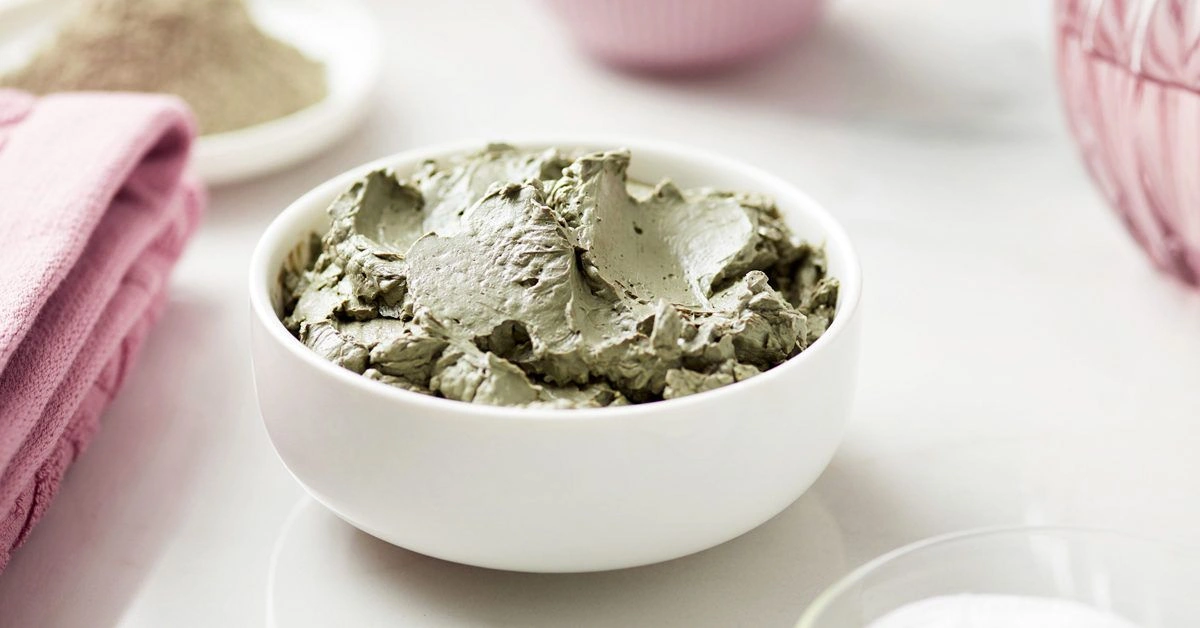
Green Clay for skin and wellness: natural mask, pore detox, mineral support, and topical soothing—tips for safe use and gentle applicatio…

Compare popular Retainer Types—removable, clear plastic, Hawley, and permanent—to find the best fit for comfort, cost, and long-term ca…

Permanent Retainer secures teeth long-term after braces, but requires careful cleaning and occasional repairs to avoid buildup or damage.
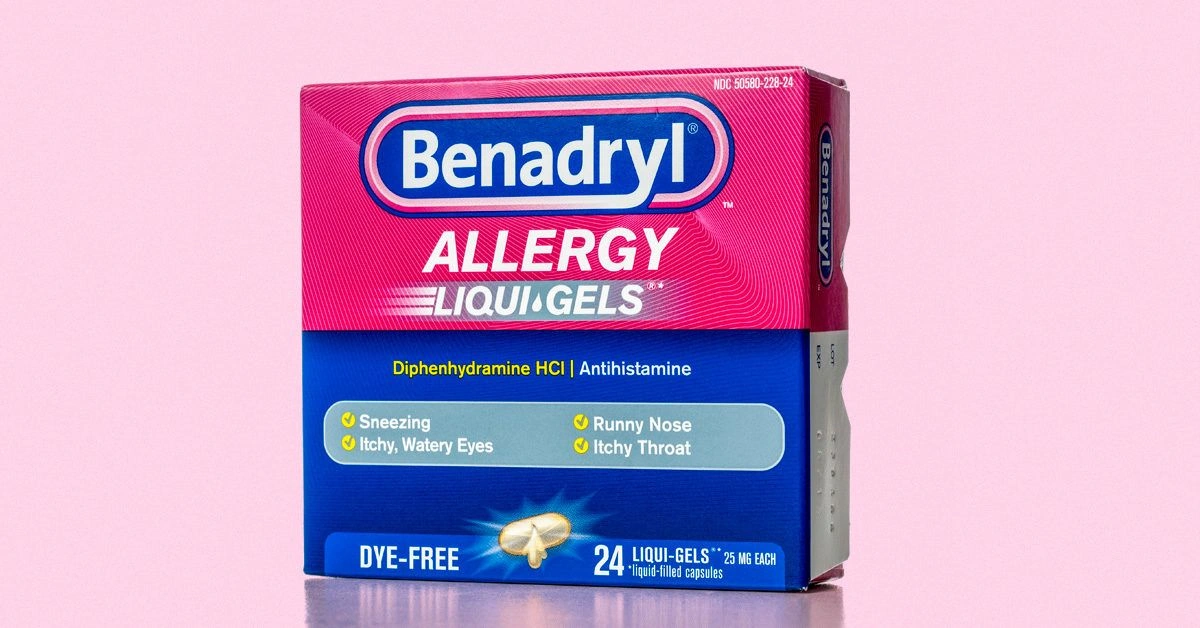
Mixing Benadryl Alcohol can cause extreme drowsiness, impaired coordination, and increased fall risk—avoid combining them and consult your …

Effective ways to reduce Marionette Lines with treatments, fillers, and skincare routines for smoother lower-face contours and refreshed ap…

Effective ways to reduce Glabellar Lines with skincare, injectables, and lifestyle tips to soften forehead furrows and prevent deeper creas…

Effective ways to reduce Smile Lines using fillers, lasers, skincare, and lifestyle steps for smoother, more youthful-looking skin.

Essential Oils For Scars: safe, effective oils and carrier tips to reduce scar visibility with regular topical use over weeks to months.

Fillers For Acne Scars: options like Bellafill, HA, Sculptra and fat transfer, expected costs, risks, and what to expect after treatment.
General information only — not medical advice. Always consult a qualified healthcare professional about your own situation.