Women's Health
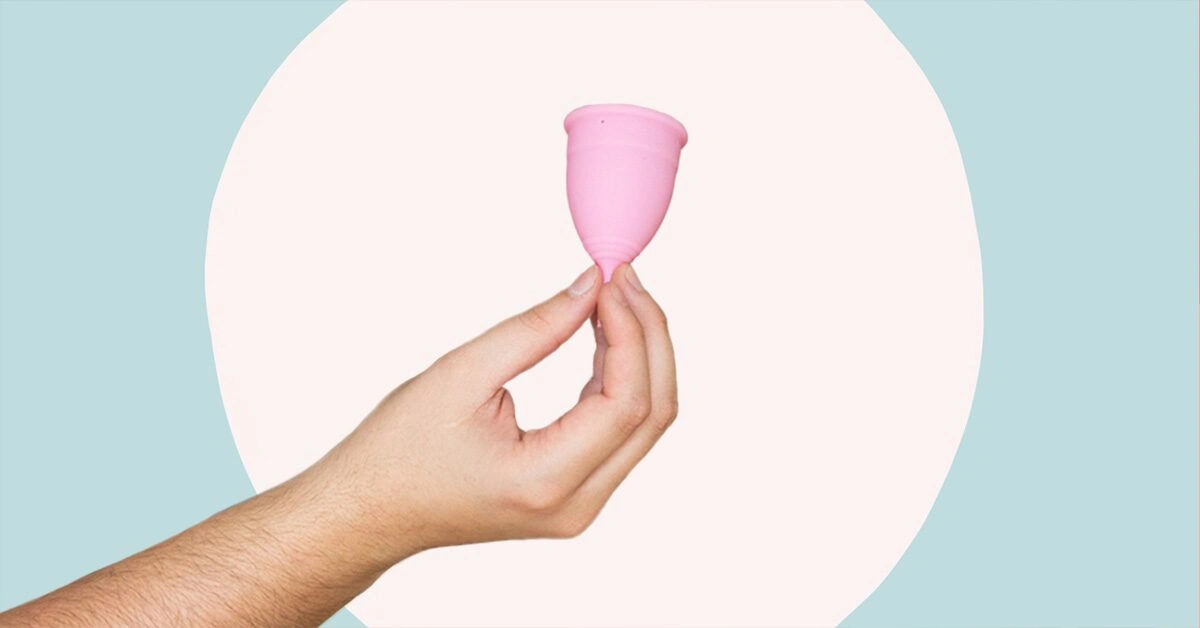
How to Safely Remove a Menstrual Cup
How To Safely Remove A Menstrual Cup with clear, gentle steps for pinch, break seal, and remove—minimize mess and discomfort every time.

Clear, evidence-based health guides — symptoms explained, conditions and treatments compared, and practical answers to the questions people actually search for. Browse by category below, or search for a topic.
How To Safely Remove A Menstrual Cup with clear, gentle steps for pinch, break seal, and remove—minimize mess and discomfort every time.
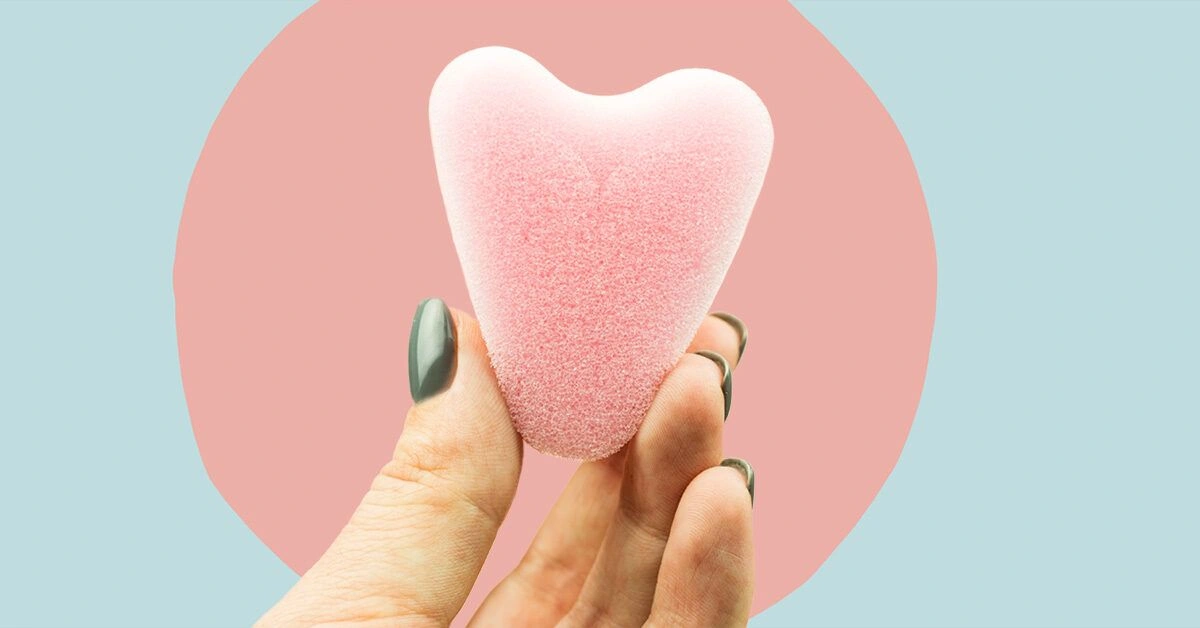
Menstrual Sponge safety, usage tips, risks like TSS, cleaning guidance, and eco-friendly alternatives for informed period-care choices.
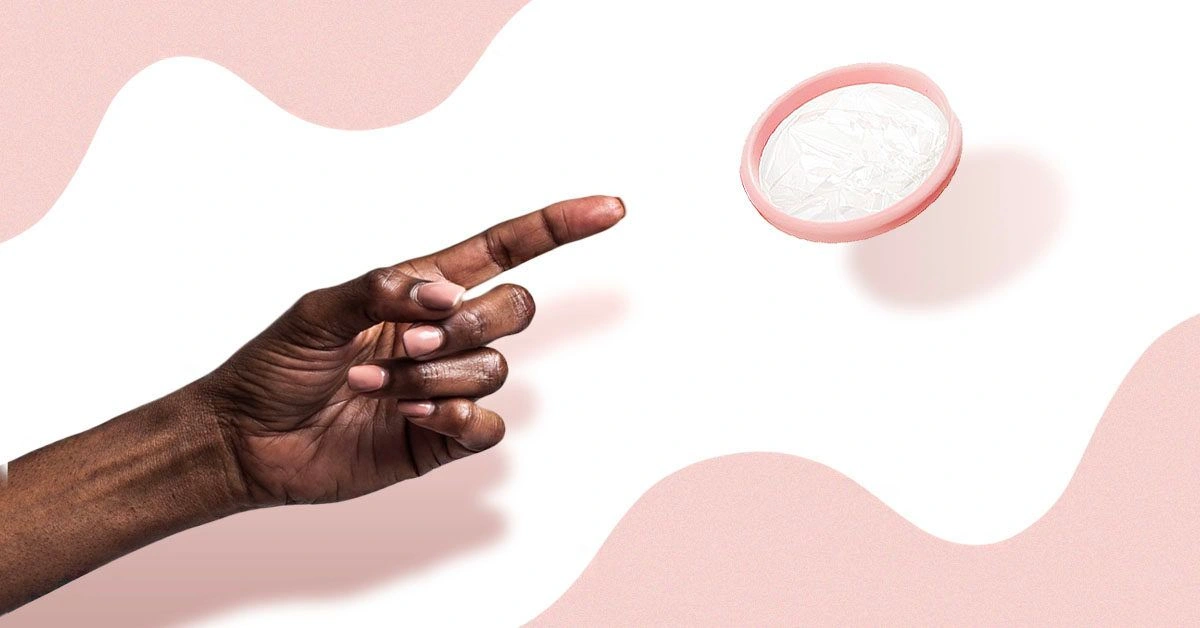
Menstrual Disc offers up to 12 hours of protection, allows sex during periods, and can feel more comfortable than tampons for many people.
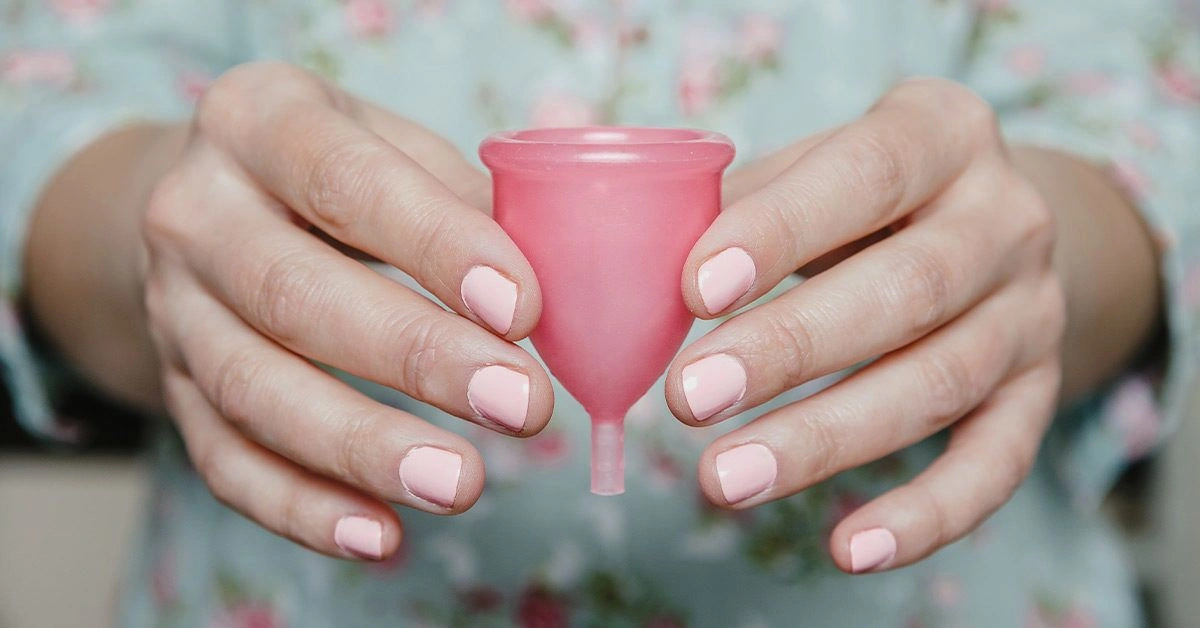
Practical tips on How To Clean Menstrual Cup safely, including daily cleaning, sterilizing after cycles, storage, and what products to avoi…

Tampons For Swimming: practical tips on choosing absorbency and styles to swim confidently during your period with minimal leaks and fuss.
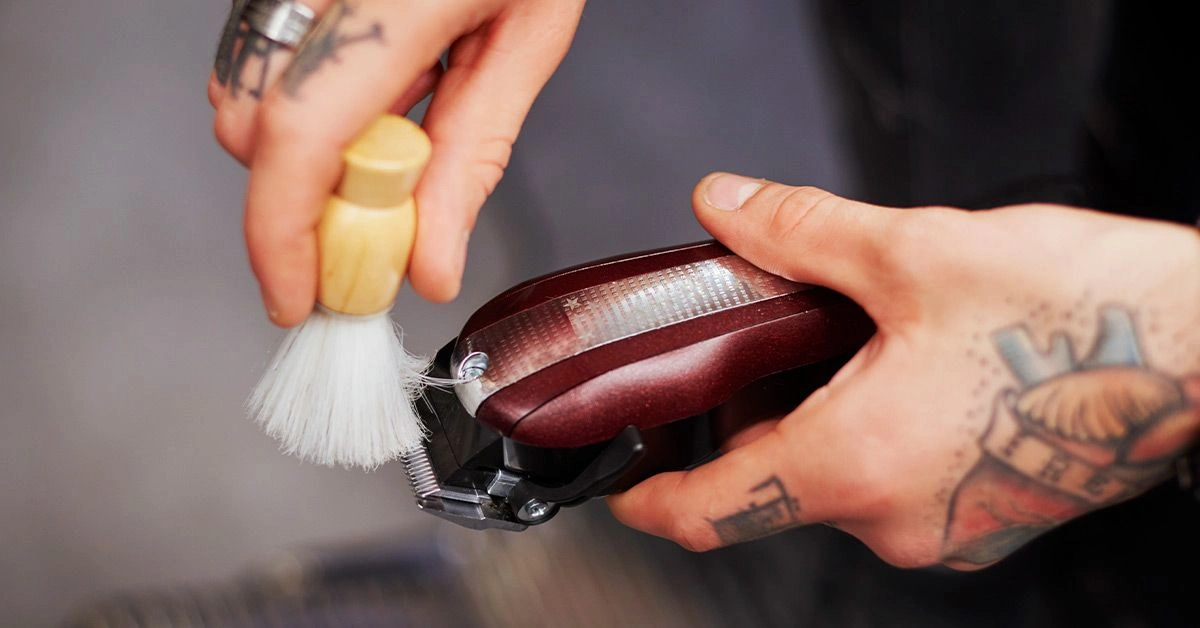
How To Shave Your Balls safely and smoothly with simple prep, the right tools, and gentle aftercare to avoid nicks, irritation, and ingrown…

Armpit Laser Hair Removal offers longer-lasting underarm smoothness with multiple sessions; know the pros, risks, pain, and costs before yo…

Laser Hair Removal Vs Electrolysis — concise comparison of effectiveness, side effects, costs, and what to expect from each method for long…
Peripheral Neuropathy Natural Treatments: safe home remedies, supplements, herbs, and lifestyle steps to reduce pain, improve circulation, …
How To Detox Your Body From Mold: practical advice on symptoms, treatments, and when to seek care after mold exposure. Practical, evidence-…
Mold And Neurological Symptoms can include headaches, memory loss, balance problems, mood changes, seizures and cognitive decline requiring…
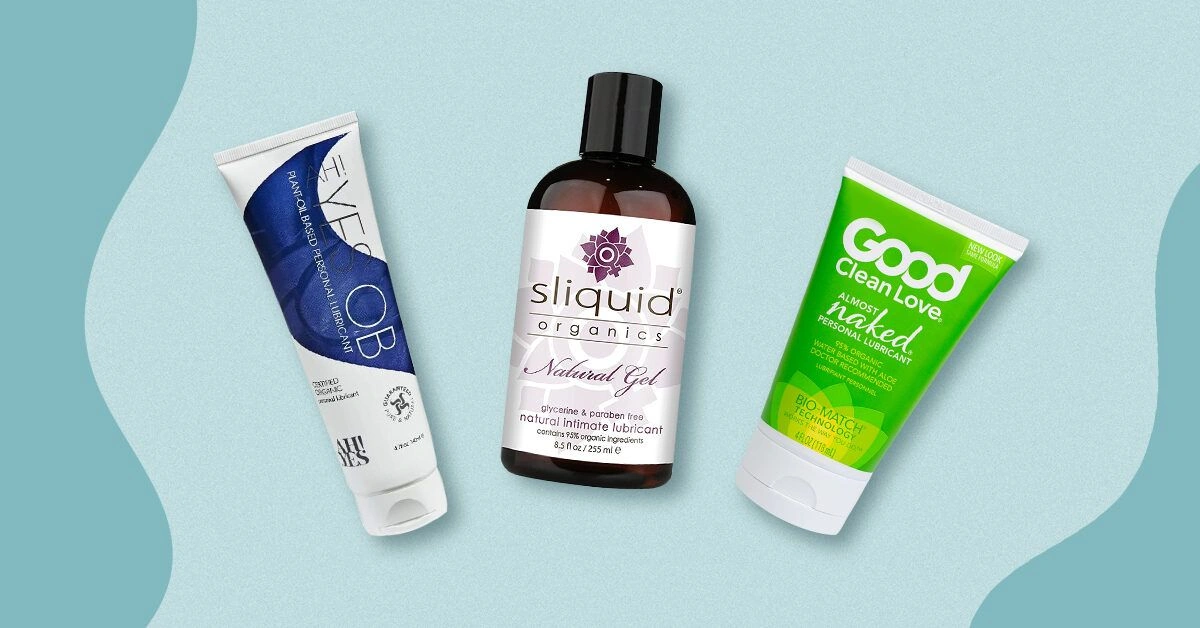
Natural Lube options with simple ingredients for sensitive skin — tips on choosing, DIY alternatives, and safety precautions for intimate u…
General information only — not medical advice. Always consult a qualified healthcare professional about your own situation.