
Foot Health
Swollen Big Toe
Swollen Big Toe can result from ingrown nails, fractures, gout, bunions or arthritis; tips on symptoms, home care, and when to see a doctor.

Clear, evidence-based health guides — symptoms explained, conditions and treatments compared, and practical answers to the questions people actually search for. Browse by category below, or search for a topic.
Swollen Big Toe can result from ingrown nails, fractures, gout, bunions or arthritis; tips on symptoms, home care, and when to see a doctor.

Practical steps to reduce Diabetes Swollen Feet: compression, elevation, exercise, hydration, and diet tips to ease foot and ankle edema ef…

Can Skinny People Get Diabetes — Yes, thin individuals can develop prediabetes, type 2, or gestational diabetes due to genetics, age, and m…

Rosacea On Black Skin can look dusky, discolored, or cause acne-like bumps and hyperpigmentation—learn signs, triggers, and treatment optio…

Coconut Oil For Tanning may moisturize skin but provides inadequate UV protection; not a safe sunscreen substitute for prolonged sun exposu…
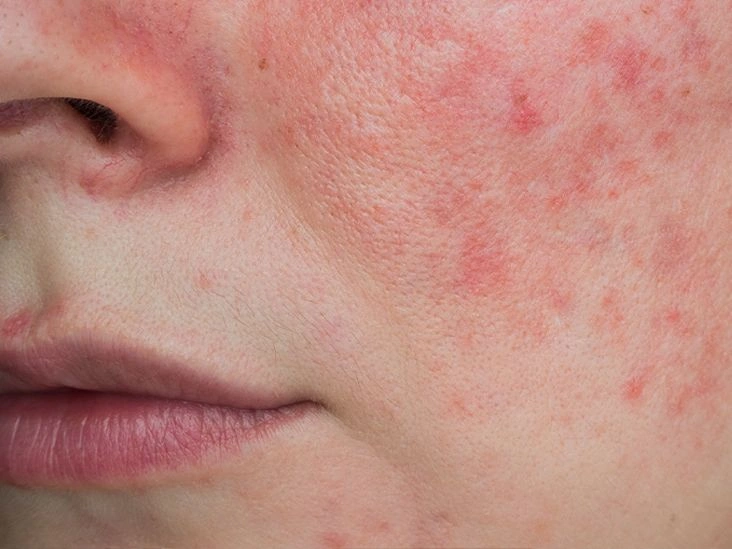
Lupus Rash Vs Rosacea: Key differences, symptoms, and when to see a doctor for a malar (butterfly) rash affecting cheeks and nose.

Eczema Vs Rosacea: Learn how to spot differences in symptoms, triggers, and treatment to know when to seek medical advice for persistent sk…

Facial shaving can exfoliate and smooth makeup application, but it has downsides. Learn the pros, cons, and safe technique.

Coconut Oil For Rosacea may soothe redness and restore the skin barrier; gentle topical use and patch testing are recommended for safety.

Shaving With Coconut Oil provides a smooth, moisturizing shave while helping protect and calm skin—ideal for many body areas with proper pa…

Hair Density influences styling, product choice, and care routines; learn how to assess and manage low, medium, or high hair density effect…

Hair Loss On Legs can signal aging, PAD, thyroid issues or nutrient deficits. Learn causes, diagnosis steps and possible treatments to cons…
General information only — not medical advice. Always consult a qualified healthcare professional about your own situation.