
Women's Health
Pregnancy-Related Stroke Risk: What Moms Should Know
Pregnancy-related stroke risk spikes in the third trimester and early postpartum; early detection, close monitoring, and quick treatment pr…

Clear, evidence-based health guides — symptoms explained, conditions and treatments compared, and practical answers to the questions people actually search for. Browse by category below, or search for a topic.
Pregnancy-related stroke risk spikes in the third trimester and early postpartum; early detection, close monitoring, and quick treatment pr…

Blistering skin disease causes fluid‑filled blisters; key symptoms, diagnosis steps and treatment options from steroids to gene‑therapy gra…

A genetic skin condition stems from DNA mutations that weaken skin, causing blisters, hyperpigmentation; detection, gene‑based therapy can …
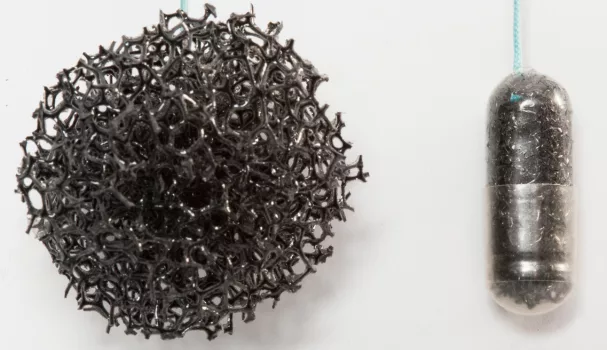
The capsule sponge test is a fast, minimally invasive screen for Barrett’s oesophagus and early esophageal cancer, often avoiding endosco…

Learn how to lower your long-term stroke risk after a TIA or minor stroke with medication, lifestyle changes, and regular check‑ups.

Maternal health and stroke risk rises in pregnancy and postpartum, with preeclampsia or diabetes. Learn signs and prevention.

Key tips to lower your future stroke risk in women: control blood pressure, assess hormone therapy, and note pregnancy‑related warning sign…

The Pill-on-a-thread test offers a painless, low‑cost alternative to endoscopy, collecting esophageal cells in minutes for early detectio…

Practical tips, genetics, wound care, and new therapies for dystrophic epidermolysis bullosa improve daily life and bring hope for patients.
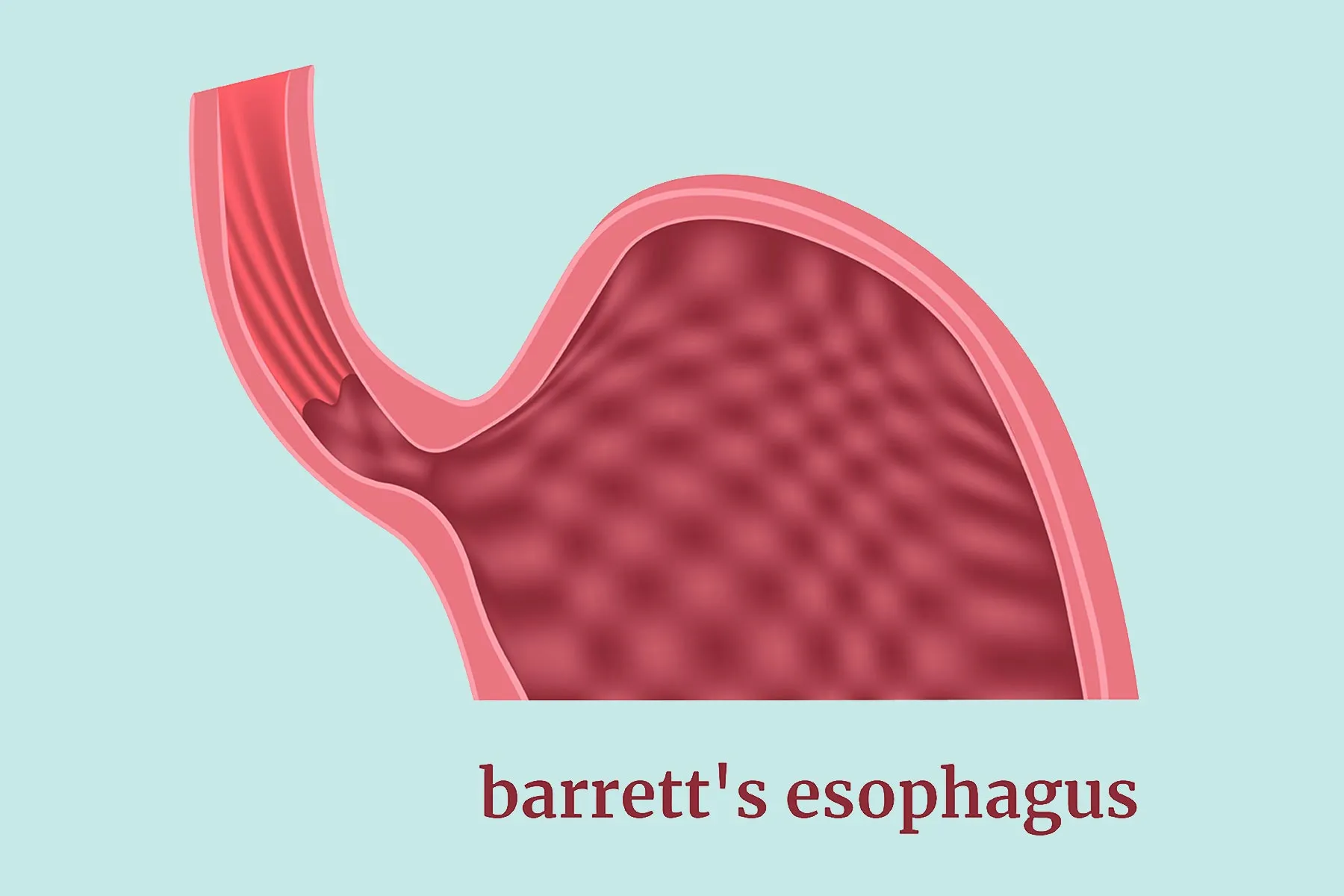
Barrett's esophagus is a change in the cellular structure of your esophagus lining. It's a risk factor for cancer, but the risk is low.

Chronic wounds last over four weeks, causing pain, infection risk, and limits. Learn causes, treatment options, and therapies for faster he…
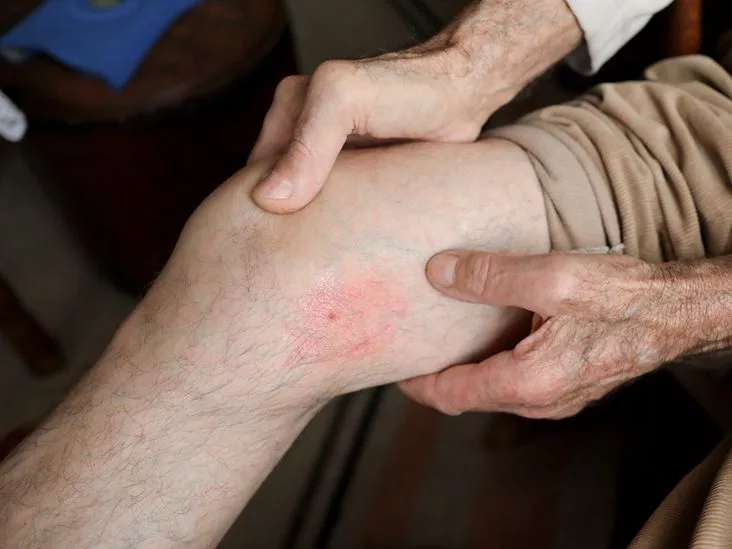
Recognizing blood clot symptoms such as swelling, pain, warmth, and color changes can prompt swift medical care and prevent serious complic…
General information only — not medical advice. Always consult a qualified healthcare professional about your own situation.