Semaglutide and Phentermine: What to Know About These Weight Loss Drugs

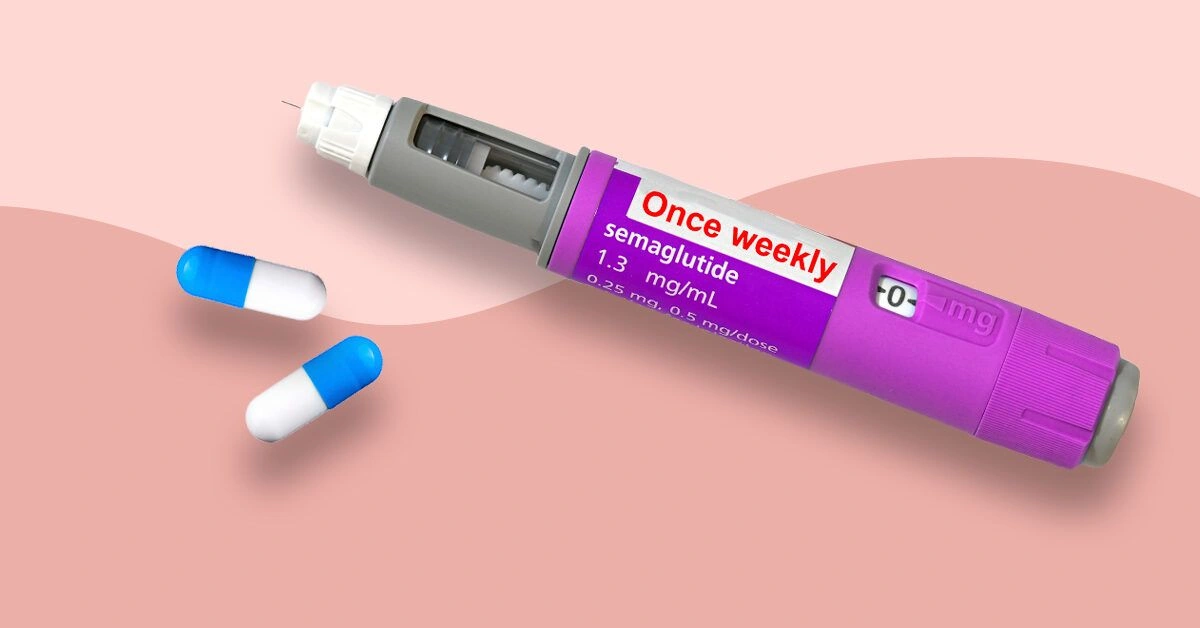
Semaglutide and phentermine are medications that can aid in weight reduction. Whether they should be taken together isn’t fully settled. Phentermine is intended for short-term courses, while semaglutide is prescribed for ongoing weight management.
Individuals living with obesity face elevated health risks such as higher odds of developing high blood pressure, cardiovascular disease, and type 2 diabetes. Because of this, combining medications with lifestyle adjustments has become a common strategy to treat obesity and promote weight loss.

Both semaglutide and phentermine are frequently used for weight loss, yet they differ substantially.
They share the same objective but act through distinct mechanisms. This article outlines how each drug works and how they might be used to support weight reduction.
Can I take semaglutide and phentermine together?
Semaglutide and phentermine are generally compatible and don’t have known direct interactions.
Still, you should consult your clinician about your individual medical background and whether both medications are suitable as part of your treatment plan.
Semaglutide vs. phentermine
Both drugs can be paired with dietary changes, exercise, and behavioral interventions to aid weight loss.
However, only the semaglutide product Wegovy has FDA approval specifically for weight management. Other semaglutide brands, Ozempic and Rybelsus, are not formally approved for weight loss but are commonly prescribed off-label for that purpose.
There are several important distinctions between the two medicines.
Semaglutide
- Semaglutide is a glucagon-like peptide-1 (GLP-1) receptor agonist. It is marketed as Wegovy and Ozempic in injectable formulations and as Rybelsus in oral form.
- Although the FDA cleared semaglutide for weight loss in 2021 , its use for type 2 diabetes and cardiovascular risk reduction goes back to Ozempic’s 2017 approval for lowering the risk of heart attack, stroke, or death in people with type 2 diabetes.
- It imitates the GLP-1 hormone, boosting insulin secretion, lowering blood glucose, and sending fullness signals to the brain.
- It’s intended for prolonged use, but people stopping semaglutide may regain weight after discontinuation.
- Because it influences insulin response and insulin-stimulating drugs, your provider may need to alter dosages of those agents to reduce the risk of hypoglycemia (low blood sugar).
- Injectable formulations of semaglutide may also change how other orally taken medicines are absorbed, including common over-the-counter aspirin and antihistamines.
Phentermine
- Phentermine is a sympathomimetic amine that stimulates the central nervous system. The FDA first approved it as an appetite suppressant in 1959 .
- It is available under brand names such as Adipex-P, Lomaira, and Suprenza.
- It is also marketed together with topiramate in a combination drug called Qsymia.
- The precise mechanism by which phentermine suppresses appetite isn’t fully understood, but it likely raises certain neurotransmitter levels in the brain.
- This medication’s effectiveness may lessen over time, and it is approved for use for only 12 weeks.
- It’s classified as a controlled substance with potential for dependence and withdrawal and carries risks like a rapid or irregular heartbeat.
- This drug is not advised for people with glaucoma, an overactive thyroid, or a history of cardiovascular disease.
Possible side effects
You may experience unpleasant side effects from either drug or prefer one medication over the other. It’s essential to discuss any adverse effects with your healthcare provider.
Potential side effects of semaglutide include:
- nausea and vomiting
- constipation or diarrhea
- headache
- abdominal discomfort
- fatigue
- hypoglycemia
Potential side effects of phentermine include:
- insomnia
- headache
- rapid or irregular heartbeat
- dry mouth
- mood changes
- high blood pressure
- heart failure
- hallucinations
- decreased libido
In addition, people taking higher doses of phentermine may face withdrawal when stopping. This medication can also impair your capacity to perform risky activities such as operating heavy equipment or driving.
Which one is better for weight loss?
Both semaglutide and phentermine have demonstrated effectiveness in helping people lose weight.
Although direct head-to-head research is limited, some studies suggest that injectable semaglutide may produce greater weight loss than phentermine.
In a 2021 trial, participants receiving semaglutide injections experienced larger reductions in body weight compared with people on other approved anti-obesity medications, including phentermine.
Keep in mind that only Wegovy is FDA-approved for weight loss; Ozempic and Rybelsus are used for that purpose only when prescribed off-label. Discuss with your healthcare team which medication may best suit your medical profile.
Takeaway
Semaglutide and phentermine can both be part of weight-loss treatment, but they differ notably in mechanisms, duration of intended use, and safety considerations.
If you think weight-loss medication could improve your health, speak with your doctor. They can help determine the most appropriate drug and dosing strategy for your circumstances.
Frequently Asked Questions
They are sometimes used together and have no well-known direct interactions, but you should consult your healthcare provider to evaluate safety based on your medical history and other medications.
Semaglutide is a GLP-1 receptor agonist intended for longer-term use (Wegovy approved for weight loss), while phentermine is a short-term stimulant appetite suppressant with potential for dependence.
Semaglutide can cause nausea, gastrointestinal upset, headache, fatigue, and hypoglycemia risks; phentermine may cause insomnia, rapid heartbeat, dry mouth, mood changes, and increased blood pressure.
Some studies indicate injectable semaglutide can produce larger weight loss than phentermine, but individual responses vary and treatment should be personalized with a clinician.
Phentermine is not advised for those with certain cardiovascular conditions, glaucoma, or hyperthyroidism and has abuse potential; semaglutide requires caution with insulin or other diabetes drugs and may not suit everyone—discuss contraindications with your provider.






Related Posts

What Is Baby Talk and Why Is It So Important?
Aug 10, 2026 • 21 min read
How Regularly Should You Get Your Teeth Cleaned?
Aug 2, 2026 • 12 min read
What's the Difference Between Kosher and Halal Diets?
Aug 22, 2026 • 24 min read
What You Need to Know About a Full Liquid Diet
Sep 4, 2026 • 29 min read
Olives 101: Nutrition Facts and Health Benefits
Aug 26, 2026 • 16 min read