Turmeric Dosage: How Much Should You Take Per Day?

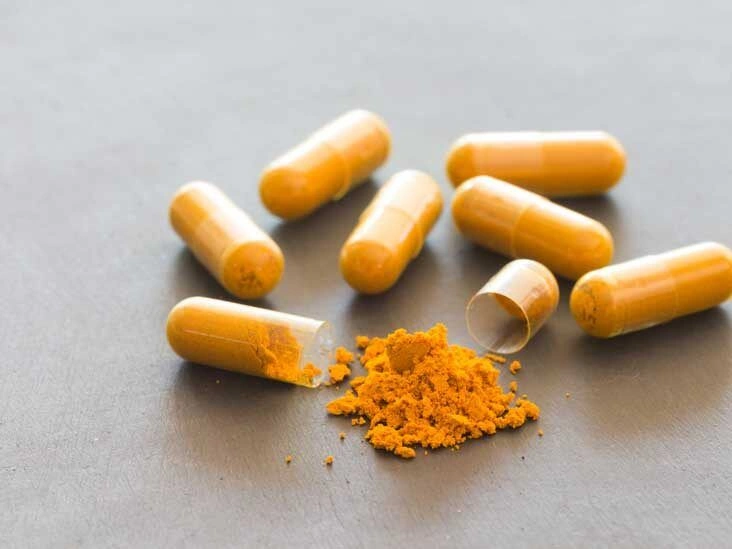
Research indicates turmeric may be helpful in amounts between 500 and 2,000 milligrams (mg) per day. That said, the ideal dose can differ based on the particular ailment you aim to address.
You might recognize turmeric mainly as a culinary spice, yet it also plays a role in Ayurvedic medicine, a traditional holistic system from India that dates back more than 3,000 years. Turmeric supplements are commonly sold for therapeutic purposes, but figuring out the appropriate quantity can be perplexing.
Below is an overview of turmeric’s uses and advantages, effective dosing ranges, and potential safety issues.
What are the uses and benefits of turmeric?
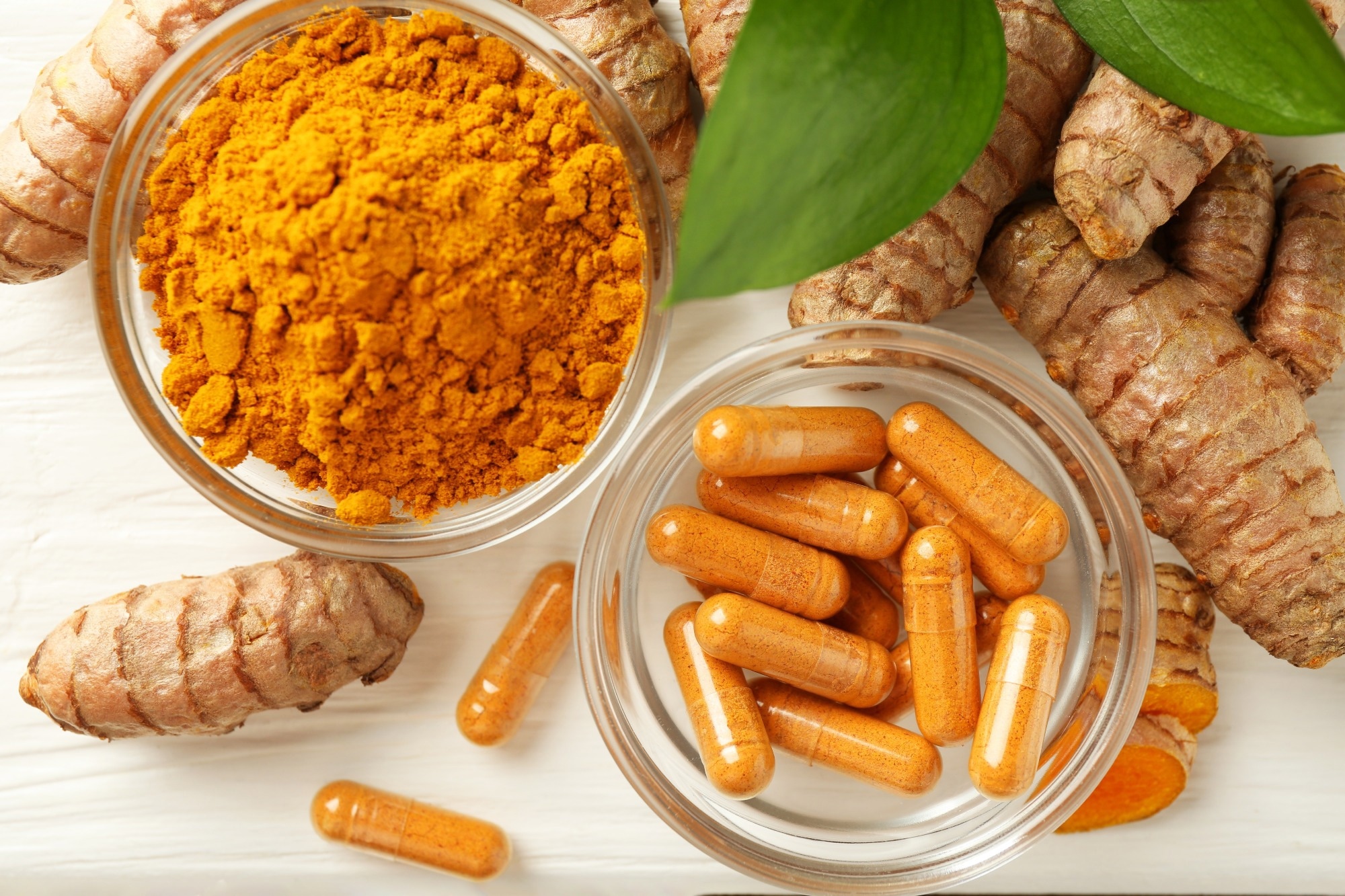
Curcumin, a bioactive compound in turmeric, is thought to possess notable anti-inflammatory properties. Numerous studies suggest that persistent, low-grade inflammation may play a major role in the development of diseases such as heart disease, diabetes, Alzheimer’s, and certain cancers.
A 2021 analysis found that curcumin supplementation could lower several inflammation markers, including C-reactive protein, interleukin-6, and tumor necrosis factor alpha.
In another meta-analysis, scientists observed that people with ulcerative colitis (UC) who combined curcumin with mesalamine, a medication for UC, were nearly three times more likely to reach remission than those taking mesalamine alone.
A 2022 review of 14 trials reported that oral curcumin, derived from turmeric, may help prevent progression to end-stage kidney disease for some individuals.
Although evidence is less definitive, other research suggests turmeric might be helpful in preventing , diabetes , and .
What is the effective dose of turmeric?
Clinical studies commonly use 500–2,000 mg of turmeric daily, typically as an extract with a curcumin concentration far greater than what appears naturally in foods.
For example, a typical Indian diet supplies about 2–2.5 grams of turmeric per day for someone weighing 60 kg (around 132 lbs), which equates to roughly 60–100 mg of curcumin. By comparison, turmeric spice contains around 3%–8% curcumin, whereas extracts can have up to 95% curcumin . Still, culinary turmeric may offer some benefits when used in cooking.
in older adults reported that curcumin intake was linked to better preservation of attention, short-term working memory, language, and executive functioning over time.
While there’s no universally accepted guideline for turmeric or curcumin dosing, studies showing beneficial outcomes have used the following ranges:
- For osteoarthritis:500–1,500 mg of turmeric daily for 3 months.
- For itchy skin:500 mg of turmeric three times a day for 2 months.
- For ulcerative colitis:100–10,000 mg of turmeric extract daily.
Long-term use of high turmeric or curcumin doses is not advised because evidence confirming their safety over extended periods is limited.
Still, the World Health Organization (WHO) has set an acceptable daily intake of 1.4 mg per pound (0–3 mg per kilogram) of body weight. As with any herbal product, approach turmeric cautiously. Always inform your physician or healthcare provider about any supplements you use, including turmeric and curcumin.
Who should not take turmeric?
Although turmeric is generally considered safe for many people, certain individuals should avoid it or use it with care.
Exercise heightened caution in these situations:
- Pregnancy and breastfeeding: There’s insufficient evidence to confirm the safety of turmeric supplements during pregnancy or while nursing.
- Gallbladder disease: Some sources suggest turmeric can prompt gallbladder contraction, possibly aggravating symptoms.
- Kidney stones: Turmeric is rich in oxalates, which can combine with calcium to form kidney stones.
- Bleeding disorders: It may slow blood clotting, which could exacerbate bleeding issues.
- Diabetes: It may lower blood glucose, risking hypoglycemia.
- Iron deficiency: It may hinder iron absorption.
Moreover, turmeric supplements can interact with certain medications, such as anticoagulants and drugs for diabetes. However, turmeric consumed in typical food amounts appears safe in these contexts.
What are the potential adverse effects of taking turmeric?
Research has used doses up to 12 grams per day for short durations without apparent toxicity. Still, some people report side effects. The more frequently observed reactions include allergic responses, abdominal pain, diarrhea, constipation, nausea, and vomiting.
In one 2011 case report, a person taking high doses of 1,500–2,250 mg twice daily developed an . However, the supplement also contained other ingredients such as mulberry leaves, black soybean, garlic, and arrowroot starch.
A noted two instances of liver injury associated with turmeric supplements, although other studies have linked curcumin to reduced liver toxicity. Additional research is required to fully understand potential long-term adverse effects.
How can you choose a turmeric supplement?
Extracts provide the most concentrated form of turmeric supplements, often containing up to 95% curcumin . By contrast, powders and spices may have as little as 2% curcuminoids. Extracts are also less prone to contamination with unwanted substances like heavy metals.
Regardless of the form you pick, think about using black pepper alongside your supplement. Black pepper contains piperine, which one study showed increased curcumin’s absorption by 2,000%.
Look for supplements tested by independent organizations such as NSF International, Informed Choice, or the United States Pharmacopeia (USP). These third-party verifiers help ensure the product matches its label and is free from contaminants.
Takeaway
Evidence suggests 500–2,000 mg of turmeric daily may offer benefits, especially when taken as a concentrated extract. The precise dose likely depends on the health issue being treated, though formal dosing guidelines are lacking.
Side effects are generally uncommon, but turmeric supplements aren’t appropriate for everyone. As with any supplement, use turmeric cautiously and review its use with your healthcare provider.
Frequently Asked Questions
Clinical studies commonly use 500–2,000 mg of turmeric daily, typically as a concentrated extract with higher curcumin content than culinary turmeric.
Long-term use of high turmeric or curcumin doses is not well studied; moderate use may be safe but consult your healthcare provider for prolonged supplementation.
People who are pregnant or breastfeeding, have gallbladder disease, a history of kidney stones, bleeding disorders, diabetes, or iron deficiency should avoid or use turmeric with caution.
Some people report allergic reactions, abdominal pain, diarrhea, constipation, nausea, or vomiting; rare cases of liver injury have been reported with supplements.
Combining turmeric or curcumin with black pepper (piperine) significantly increases absorption; choosing standardized extracts and third-party tested products also helps ensure quality.





Related Posts
Does Evening Primrose Oil Safely Induce Labor?
Aug 16, 2026 • 11 min read
Folic Acid vs. Folate — What’s the Difference?
Aug 17, 2026 • 35 min read
Is Willow Bark Nature’s Aspirin?
Sep 8, 2026 • 26 min read
What Are Deer Antler Supplements? Health Effects and Safety
Aug 15, 2026 • 25 min read
Everything You Need to Know About Borage Oil
Aug 9, 2026 • 11 min read