Potassium Chloride 20 mEq: Should You Add It to Your Health Routine?


- Wait, Could It Be Low Potassium?
- Why Potassium Even Matters
- What Role Does Potassium Play in My Body?
- How Do I Know if I’m Running Low?
- Potassium Chloride 20 mEq: Why That Dose?
- Is 20 mEq Some Magic Number?
- What Does “Extended Release” Even Mean?
- How to Take Potassium Chloride Without Stress
- Okay…What’s the Right Way?
- Possible Side Effects—Don’t Freak Out
- Will This Make Me Feel Weird?
- Better with Food—and Real Life
- Should I Just Eat More Bananas Instead?
- When Potassium and Meds Collide
- Can It Mess With My Other Meds?
- Who Needs It, Anyway?
- Is This Just for Athletes or Patients?
- The Scoop: Over-the-Counter and Beyond
- Do I Need a Prescription?
- Ready for Your Potassium Reboot?
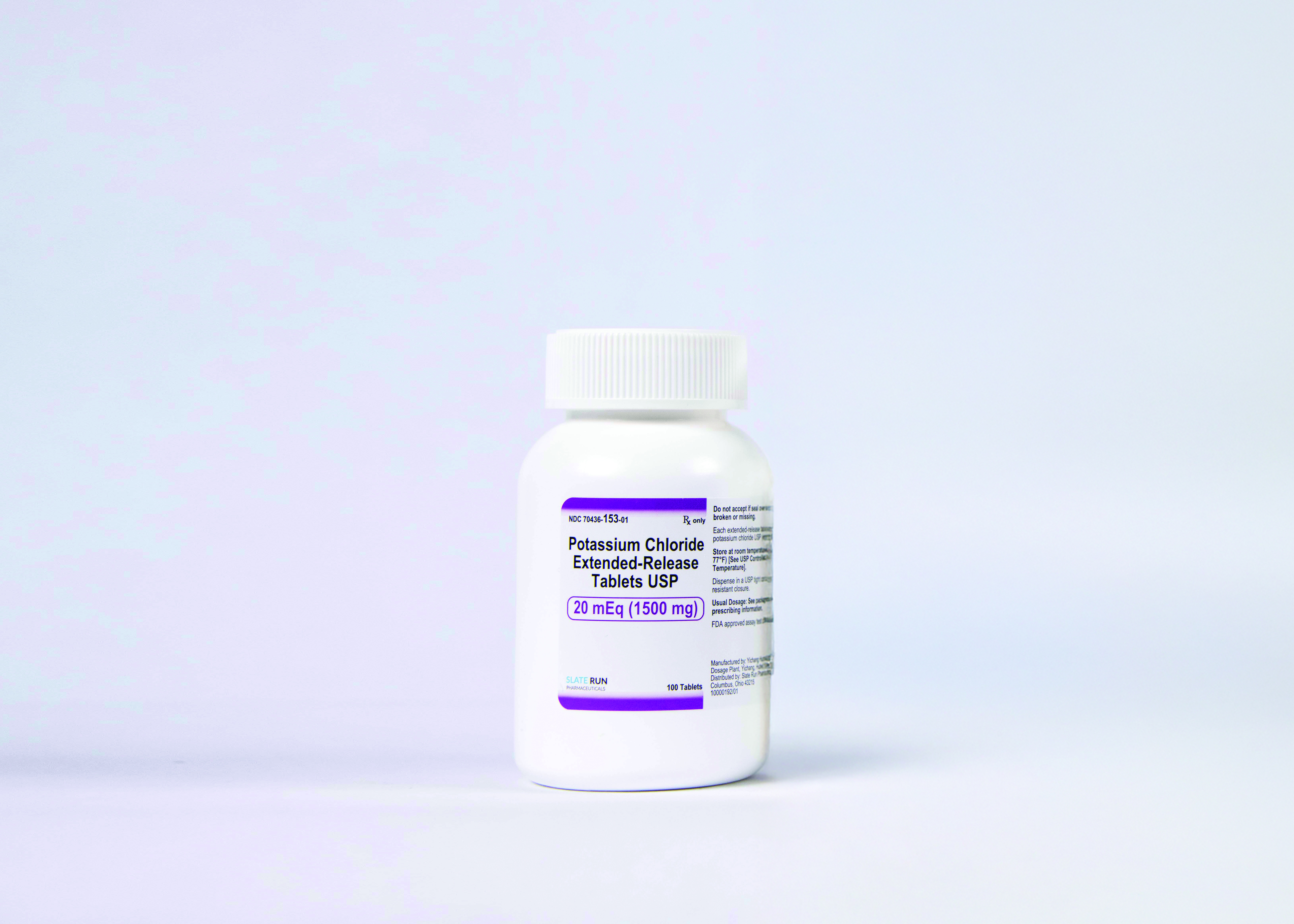
Wait, Could It Be Low Potassium?
You know those days when your legs suddenly cramp up for absolutely no reason? Or you drift through the afternoon feeling totally drained, blaming it on “just being busy”? Been there. Turns out, sometimes it’s not your schedule, your last workout, or getting older. Sometimes, it’s something tiny and sneaky—like your potassium levels quietly dipping lower than they should.
Let’s be real: none of us expects that a skipped banana or a sweaty run could mess with our heart, nerves, and muscles. It sounds a little dramatic, right? But for a surprising number of people, running low on potassium—what the docs call “hypokalemia”—is more common than you’d think, and the fixes are simpler than you might expect. Enter: potassium chloride 20 meq, the supplement that doesn’t get headline hype, but probably should.
Why Potassium Even Matters
What Role Does Potassium Play in My Body?
Potassium isn’t only about muscle cramps (though, ugh, those are annoying enough). This mineral keeps your heartbeat steady, your nerves firing, and your muscles moving the way they’re meant to. Like…just imagine your body as a group text where potassium is that one friend who smooths over misunderstandings and keeps everyone on schedule. When potassium is out of the mix? Total chaos—cramps, irregular heartbeat, fatigue you can’t shake.
Most people get enough from their regular food, but life happens. Intense workouts, certain common meds (especially those “water pills” or diuretics), stomach bugs, or dietary changes can all pull potassium down. According to research on potassium chloride and its uses , hypokalemia can present as muscle weakness, cramps, even irregular heartbeats—which honestly sounds terrifying when you read it. But hey—don’t freak out. There’s an easy fix if you catch it early.
How Do I Know if I’m Running Low?
Have you ever had that day when your eyelid twitches, your muscles feel weirdly tired, or everything just feels… off? I can’t tell you how many times I chalked it up to “just stress” until a routine blood test flagged my potassium. Apparently, you can have low potassium without any obvious symptoms—so if you’re on certain meds or just hustling hard at the gym, it’s something to keep on your radar.
A Quick Anecdote
My friend Sarah is a weekend yogi who lives for hot classes. She started feeling off after a bad case of food poisoning—legs cramping, weird heart flutters. Her doc suggested potassium chloride 20 meq, and honestly, it was like hitting “reset.” The cramps? Gone. Energy? Way better. It’s those small tweaks that can make you feel normal again.
Potassium Chloride 20 mEq: Why That Dose?
Is 20 mEq Some Magic Number?
I used to get lost in all the numbers. Do I want 10 mEq? 40? What even is an mEq? It’s just a unit that tells you how much potassium you’re getting. The 20 mEq dose is super common because it’s low enough for safety, but strong enough to make a difference for most people dealing with mild to moderate potassium dips (proof from Cleveland Clinic If you’re a numbers geek (I am, sometimes—no shame), you can dig into how much magnesium is in a dose with Potassium chloride 20 mEq to mg . It’s one of those things you won’t think about… until you need it. If you’re like me, the phrase “extended-release” sounds techy and intimidating. All it means is: the pill lets out potassium slowly, so your body has time to soak it up—no sudden surges, no tummy drama. It’s the difference between sipping your coffee versus taking a double espresso shot and bouncing off the walls. One’s way easier for your system! Potassium chloride 20 meq is almost too easy to take. You just swallow it with a big glass of water and food (pro trick: don’t skip the food, unless you love stomach aches). Tablets and capsules should go down whole—don’t cut them up or crush them, or you’ll get all the potassium at once and potentially regret your life choices (see recommendations here). If you miss a dose, don’t double up—just take the next one. And always, always check with your doc about your meds and medical history before starting (especially if you’re a kidney, heart, or GI issue veteran). I started taking mine post-run, and whoa—leg cramps I blamed on “old sneakers” disappeared. Sometimes, it’s not the gear. It’s just chemistry. Oh, the dreaded “possible side effects” part. But we’re not here for horror stories—just real talk. The most common thing? Mild digestive drama: nausea, maybe a little bloat, gassy feeling, or more frequent trips to the bathroom (it’s on WebMD ). But for most people, these sides are short-lived and get better if you stick with food + water habits. But—and this is key—do not ignore crazy heartbeats, chest pain, or muscle weakness. Those are your red flags to call your doc. Most folks never get close to these extremes, especially with 20 mEq tabs and some self-awareness. I once had someone message me, panicked about seeing a pill shell in their stool. It’s… normal. Your body absorbs the good stuff and sometimes the “shell” passes through (kind of like corn—odd but harmless). Honestly, food first is usually the vibe! Nature’s sources are great—bananas, sweet potatoes, spinach, beans, even avocados. But for people losing potassium faster than they can “eat it back” (thanks, marathons and sweat), or those on certain meds…you sometimes need a little help. That’s where potassium chloride supplements step in, like a reliable backup singer. If you’re curious whether your routine needs a supplement, it helps to check your levels. Docs can suggest blood work, or even recommend specific dosages if foods aren’t enough. Some people find it easier to snag Potassium Chloride 20 meq over the counter when needed—but again, that’s a talk for you and your provider. Honestly, it’s kind of like balancing your budget. Put in enough the natural way, but don’t be afraid to get a little outside help when life gets, well, expensive. Supplementation is the “bonus”, not the whole paycheck. Here’s the fine print: potassium can be a team player or a troublemaker. If you’re on certain heart meds, blood pressure pills, or even over-the-counter “salt substitutes,” mixing in a potassium supplement can push your body over the edge. That’s why your provider will probably want to know every supplement and med you’re on—no surprises. (Seriously, bring a list to your checkup. Docs love that. So do pharmacists.) If you want to convert a dose or check tricky labels, try Potassium chloride 20 mEq to mg. It’s a handy shortcut if you’re comparing supplements at the pharmacy or online. You might think potassium chloride is just for marathoners or folks with prescription pads—nope. Everyday people lose potassium during hot summer days, after GI bugs, or thanks to flu season. Anyone using diuretics, treating high blood pressure, or recovering from illness could use a check-in. For prevention, 20–40 mEq per day in divided doses is typical, but some people need more or less, based on their blood results and doc’s take (according to StatPearls clinical review My cousin Mike got prescribed potassium chloride 20 meq after being wiped out by a nasty stomach flu. Within a week, it was like his muscles woke up again. On the flip side, a different friend tried to “DIY” with supplements, ended up overdoing it, and had to scale back. Lesson? Listen to your care team, not just Google. Short answer: most potassium chloride 20 meq tablets are prescription, because a doctor can tailor the dose to your health story—but it’s always worth checking for accessible Potassium Chloride 20 meq over the counter options. If you’re ever in doubt, bring it up at your next checkup. Some pharmacies and supplement shops stock the lower doses or powder forms for refill emergencies. Still…don’t skip the advice. Getting your potassium in “just right” is way more important than simply “getting more.” Too much of a good thing? Not so good. Too little? Same. We’ve unraveled the pretty unglamorous—yet crazy important—role of potassium chloride 20 meq in keeping your body on track. Heart, muscle, energy… all of it runs smoother when potassium is just right. If you’ve been fighting cramps, unexplained fatigue, or you’re on meds that zap potassium, this could be the gentle nudge your system’s asking for. Don’t go it alone—bounce your questions off your doc, ask for a quick potassium check next time you’re in the lab, and explore options like Potassium Chloride 20 meq over the counter if you want to see what’s out there. A few small tweaks now—whether food-first, supplement, or just asking more questions—can give you back days with more energy, fewer aches, and less worry. Honestly, life’s too short for leg cramps and random fatigue ruining your plans. Ready to give your cells, muscles, and heart a leg up? Your next run, yoga class, or “just another Tuesday” will thank you. Let me know how it goes—I love hearing these small wins!What Does “Extended Release” Even Mean?
How to Take Potassium Chloride Without Stress
Okay…What’s the Right Way?
Form Why Try It? Any Drawbacks? Extended-release tablet (20 mEq) Sustained energy, once or twice a day, fewer stomach issues Swallow whole, can’t split or crush Capsule Some types can be sprinkled on applesauce if swallowing is tough Must follow instructions exactly, no making a smoothie out of it A Little Routine Help
Possible Side Effects—Don’t Freak Out
Will This Make Me Feel Weird?
True Story from the DMs
Better with Food—and Real Life
Should I Just Eat More Bananas Instead?
Balancing Act
When Potassium and Meds Collide
Can It Mess With My Other Meds?
Medication/Item Why It Matters What to Do Diuretics (“water pills”) Some deplete potassium; others make you keep too much Monitor levels; dose may shift Salt substitutes Most are loaded with potassium Avoid overdoing it if taking a supplement Certain heart meds Some can dangerously raise potassium when mixed Check with your doc before adding anything new Who Needs It, Anyway?
Is This Just for Athletes or Patients?
Story Break
The Scoop: Over-the-Counter and Beyond
Do I Need a Prescription?
Ready for Your Potassium Reboot?
Frequently Asked Questions
Potassium chloride 20 mEq is commonly used to treat or prevent low potassium levels, known as hypokalemia, which can cause muscle cramps, fatigue, and irregular heartbeats. It’s especially helpful for those on diuretics, after intense exercise, or during recovery from illness.
Take potassium chloride 20 mEq tablets whole with a full glass of water and food to avoid stomach upset. It’s extended-release, so don’t crush or chew it. Follow your doctor’s dosage, typically once or twice daily, and don’t double up if you miss a dose.
Common side effects include mild nausea, bloating, or diarrhea, which often improve with food and water. Serious signs like chest pain, severe weakness, or irregular heartbeat require immediate medical attention. Most people tolerate it well at this dose.
Most potassium chloride 20 mEq products require a prescription to ensure proper dosing based on your health needs. Lower doses might be available OTC, but always check with a doctor or pharmacist before starting to avoid interactions or over-supplementation.
Read Next

EGCG (Epigallocatechin Gallate): Benefits, Dosage, and Safety

Seed Probiotics Review 2025: A Dietitian’s Take

What Are Deer Antler Supplements? Health Effects and Safety

Does Tribulus Terrestris Really Work? An Evidence-Based Look
The 10 Best Selenium Supplements, According to a Dietitian

Everything You Need to Know About Borage Oil
Related Posts

Is Willow Bark Nature’s Aspirin?
Sep 8, 2026 • 3 min read
The 5 Best Broad-Spectrum CBD Products for 2025: Tried and Tested
Sep 27, 2026 • 7 min read
The 5 Best CBD Gummies for Sleep and Relaxation: Our Testers Tell All
Sep 30, 2026 • 8 min read
5 Best Vitamin B Complex Supplements for 2025, According to Our Dietitians
Oct 2, 2026 • 21 min read
What Is Colloidal Silver, and Is It Safe?
Sep 10, 2026 • 30 min read