Leqembi Drug Interactions: Essential Tips for Safe Use


- Quick Risk Overview
- Major Interactions
- Which drugs are flagged as major?
- Why are these considered major?
- Real‑world example
- Alcohol Considerations
- Is there a direct interaction?
- Why might doctors still say “limit drinking”?
- Practical tip list
- Supplements Overview
- Common supplements patients ask about
- Potential interaction mechanisms
- Quick‑reference table
- Bleeding Risks
- Why Leqembi heightens bleeding concerns
- Specific drugs to watch
- Monitoring protocol (expert suggestion)
- Side Effects & Contraindications
- Top side effects that overlap with interaction symptoms
- Key contraindications (when NOT to start)
- Check Your Interactions
- Free online tools you can trust
- Step‑by‑step walkthrough (featured‑snippet style)
- Conclusion
Hey there! If you’ve been prescribed Leqembi (lecanemab) or are just curious about how it plays with the rest of your meds, you’ve landed in the right spot. In the next few minutes, we’ll break down the biggest interaction risks, clear up the myths around alcohol, and even give you a handy checklist for your own medication list. Think of it as a friendly coffee chat—no jargon, just straight‑up answers you can use right away.
Quick Risk Overview
Leqembi isn’t a tiny pill you can take without a second thought; it’s a powerful antibody used to slow Alzheimer’s progression. Because of its mechanism, it can interact with 44 known drugs, and 42 of those are classified as major. That’s a lot, right? The good news is that most of those interactions revolve around a few key groups—anticoagulants, certain supplements, and some common prescription meds.
| Interaction Type | Why It Matters | Typical Drugs / Ingredients | Monitoring Tip |
|---|---|---|---|
| Anticoagulants / Antiplatelet agents | ↑ risk of brain bleeding (ARIA‑H) | Aspirin, warfarin, clopidogrel, apixaban, rivaroxaban | CBC + periodic MRI; consult neurologist |
| Strong CYP‑450 substrates | May alter lecanemab clearance | Atorvastatin, duloxetine, citalopram | Blood‑level checks if on high‑dose statin |
| Supplements that affect clotting | Add to bleeding risk | High‑dose vitamin K, fish‑oil > 3 g/day, curcumin | Ask pharmacist to review doses |
| Blood‑pressure meds (e.g., losartan) | No reported interaction, watch for additive side‑effects | Losartan, amlodipine | Routine BP monitoring |
That table gives you the “what, why, and how” at a glance. If any of those drug names sound familiar, you’re probably already on one of them, so keep reading to see what to do next.
Major Interactions
Let’s dive a little deeper into the heavy‑hit combos.
Which drugs are flagged as major?
According to Drugs.com, the 42 major‑interaction drugs include:
- Aspirin (low‑dose)
- Warfarin (Coumadin)
- Clopidogrel (Plavix)
- Apixaban (Eliquis)
- Rivaroxaban (Xarelto)
- Dabigatran (Pradaxa)
- Heparin and low‑molecular‑weight heparins
- Non‑steroidal anti‑inflammatory drugs (ibuprofen, naproxen)
- Selective serotonin reuptake inhibitors (sertraline, escitalopram)
- Statins such as atorvastatin and rosuvastatin
- Duloxetine (Cymbalta)
- Various monoclonal antibodies (e.g., aducanumab)
- CoQ10 (ubiquinone)
- Fish oil (high‑dose omega‑3)
- Curcumin/turmeric extracts
Why are these considered major?
When a drug is labeled “major,” the interaction could be life‑threatening—most often because of a heightened risk of bleeding in the brain. Leqembi carries a boxed warning for amyloid‑related imaging abnormalities (ARIA‑H), which means the brain is a bit more fragile. Add a blood thinner on top, and you’ve got a perfect storm.
Real‑world example
Meet Mary, a 72‑year‑old who started Leqembi while continuing her daily aspirin for heart disease. After three months, she complained of a mild headache and slight confusion. A quick MRI showed a tiny ARIA‑E lesion. Her neurologist paused Leqembi, switched her aspirin to a lower dose, and instituted monthly MRI checks. Within weeks, the headache vanished. Mary’s story reminds us that vigilance—and a good line of communication with your care team—can keep you on the safe side.
Alcohol Considerations
Is there a direct interaction?
Good news: there’s no pharmacologic clash between Leqembi and alcohol. Healthline notes that Leqembi doesn’t metabolize through the usual liver pathways that alcohol does.
Why might doctors still say “limit drinking”?
Even without a direct drug‑alcohol interaction, alcohol can worsen two things that matter to Leqembi patients:
- Alzheimer’s symptoms – Alcohol is linked to memory loss and cognitive decline, which can mask or amplify the disease’s progression.
- Bleeding risk – If you’re also on an anticoagulant, alcohol can thin your blood a bit further, nudging the risk of ARIA‑H upward.
So the advice is more about protecting your brain’s overall health than about a chemical clash.
Practical tip list
- Stick to ≤ 1 standard drink per day (roughly 5 oz of wine or 12 oz of beer).
- Avoid binge drinking; the sudden spike in blood pressure can aggravate ARIA‑E.
- Always mention any alcohol use to your prescriber—especially if you’re on a blood thinner.
Supplements Overview
Common supplements patients ask about
People love to pop vitamins and herbal extracts, so it’s natural to wonder if they’re safe with Leqembi. The most frequently mentioned ones are:
- CoQ10 (ubiquinone)
- Fish oil / omega‑3 fatty acids
- Curcumin (turmeric)
- Vitamin D3
- Calcium & magnesium
- Vitamin K (often hidden in “bone health” blends)
Potential interaction mechanisms
Most of these don’t directly alter Leqembi’s activity, but they can tip the balance when other meds are in play.
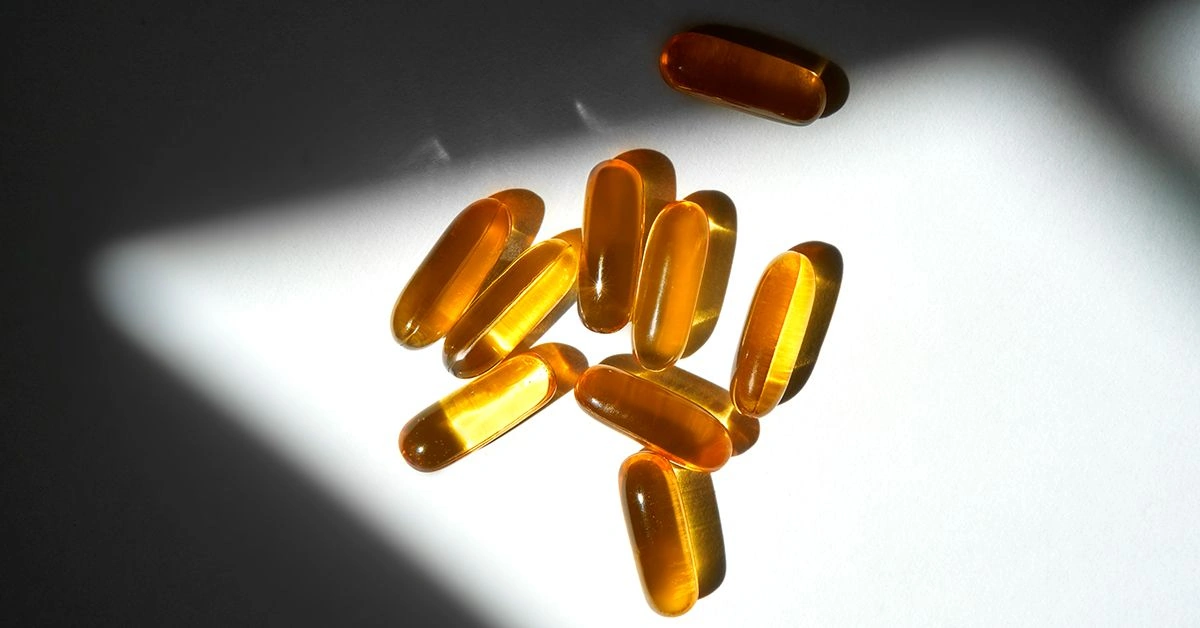
- Fish oil – High doses (> 3 g/day) can inhibit platelet aggregation, boosting bleeding risk alongside anticoagulants.
- Curcumin – Known to inhibit CYP3A4, which could affect the metabolism of certain statins you might be taking.
- Vitamin K – Can counteract the effect of warfarin, leading to under‑anticoagulation.
Quick‑reference table
| Supplement | Interaction Level | Recommended Action |
|---|---|---|
| Fish oil (≥ 3 g) | Major (bleeding) | Use ≤ 1 g or pause while on antiplatelets |
| Curcumin / Turmeric extract | Moderate (CYP3A4) | Discuss dosage with pharmacist; avoid high‑dose capsules |
| Vitamin D3 | Minor | Generally safe; monitor calcium if on thiazides |
| CoQ10 | Minor | No known issue, but watch INR if you’re on warfarin |
If any of those sound familiar, a quick chat with your pharmacist can clear up whether you need to adjust the dose or postpone the supplement.
Bleeding Risks
Why Leqembi heightens bleeding concerns
Leqembi’s mechanism targets amyloid‑beta plaques in the brain. While that’s a good thing for slowing Alzheimer’s, it also makes the brain’s tiny blood vessels a bit more vulnerable, leading to ARIA‑H (hemorrhagic abnormalities). Add a blood‑thinning drug, and you’ve got a recipe for potential intracerebral hemorrhage.
Specific drugs to watch
- Aspirin (low‑dose) – Major interaction; may need dose adjustment.
- Clopidogrel (Plavix) – Close monitoring advised; see the Drugs.com report.
- Warfarin (Coumadin) – Requires frequent INR checks.
- DOACs (apixaban, rivaroxaban, dabigatran) – Moderate to major, depending on dose.
Monitoring protocol (expert suggestion)
- Baseline MRI before starting Leqembi—to spot any pre‑existing micro‑bleeds.
- Blood work (CBC, INR) every 2–4 weeks if you’re on warfarin or a DOAC.
- Symptom diary – Note headaches, visual changes, sudden weakness, or confusion.
- Immediate action – If you notice any red‑flag symptom, call your neurologist or go to the ER.
Following a clear monitoring plan turns a scary “what‑if” into a manageable routine.
Side Effects & Contraindications
Top side effects that overlap with interaction symptoms
Some of Leqembi’s most common side effects—headache, swelling at the infusion site, and mild confusion—can also be early signs of an interaction, especially with anticoagulants. Keeping an eye on whether a symptom is new or worsening helps you catch issues early.
Key contraindications (when NOT to start)
- Prior allergic reaction to lecanemab or any of its excipients.
- Known cerebral amyloid angiopathy with recent intracerebral hemorrhage.
- ApoE ε4 homozygotes who have a markedly higher ARIA risk (often screened before treatment).
- Uncontrolled hypertension or active bleeding disorders.
These contraindications are highlighted on the Healthline page and in the FDA’s boxed warning. If any of these apply, your doctor will likely look for an alternative therapy.
Check Your Interactions
Free online tools you can trust
Two reputable checkers make it painless:
- Drugs.com Interaction Checker – Simple interface; just type “Leqembi” and the other drug names.
- Medscape Drug Interaction – More detailed, aimed at clinicians but still user‑friendly.
Step‑by‑step walkthrough (featured‑snippet style)
- Open the checker in your web browser.
- Enter “Leqembi” (or “lecanemab”) in the first box.
- Type each of your current medications, supplements, or herbals—one at a time.
- Look at the severity badge that appears (major, moderate, minor).
- Read the short “what to do” note underneath; it often says “monitor INR” or “avoid high‑dose fish oil.”
Take a screenshot of the report and bring it to your next appointment—your doctor will appreciate the preparation.
Conclusion
Navigating Leqembi drug interactions may feel like walking a tightrope, but with the right knowledge it becomes a manageable stroll. Remember:
- 44 known interactions, 42 of them major—mostly anticoagulants, high‑dose fish oil, and certain CYP‑450 substrates.
- Alcohol isn’t a direct foe, but moderation helps protect brain health and bleeding risk.
- Supplements are not automatically dangerous, but high doses of fish oil or curcumin warrant a pharmacist’s eye.
- Bleeding is the biggest safety concern; regular MRI, blood work, and symptom tracking are your safety net.
- Always double‑check with a reliable interaction tool and keep an open line with your prescriber.
Take these steps, stay curious, and don’t hesitate to ask questions—your health team is there to help you make the safest choices. Got a story about how you managed an interaction, or a question that’s still nagging you? Drop a comment below or reach out to your physician. We’re all in this together, and a little vigilance goes a long way toward keeping you thriving while on Leqembi.
Frequently Asked Questions
Leqembi has major interactions with anticoagulants such as aspirin, warfarin, clopidogrel, apixaban, and rivaroxaban, as well as certain statins, SSRIs, and high‑dose fish‑oil supplements.
There is no direct pharmacologic interaction, but alcohol can worsen bleeding risk when you’re also on blood thinners and may accelerate cognitive decline, so moderate consumption is advised.
Consult your prescriber to possibly adjust the dose, increase INR monitoring if you’re on warfarin, and schedule regular MRI scans to watch for ARIA‑H or ARIA‑E events.
Most are safe, but high‑dose fish oil (> 3 g/day) and curcumin can increase bleeding risk or affect CYP3A4 metabolism. Discuss any supplements with your pharmacist.
Baseline MRI before starting, CBC and INR checks every 2–4 weeks if on anticoagulants, routine blood pressure monitoring, and a symptom diary for headaches or confusion.



Related Posts
Seed Probiotics Review 2025: A Dietitian’s Take
Aug 24, 2026 • 3 min read
Everything You Need to Know About Borage Oil
Aug 9, 2026 • 36 min read
EGCG (Epigallocatechin Gallate): Benefits, Dosage, and Safety
Aug 10, 2026 • 23 min read
Is Willow Bark Nature’s Aspirin?
Sep 8, 2026 • 26 min read
Does Tribulus Terrestris Really Work? An Evidence-Based Look
Sep 2, 2026 • 34 min read