
Illegal NIH Actions – Court Ruling, Grant Cuts & Impact

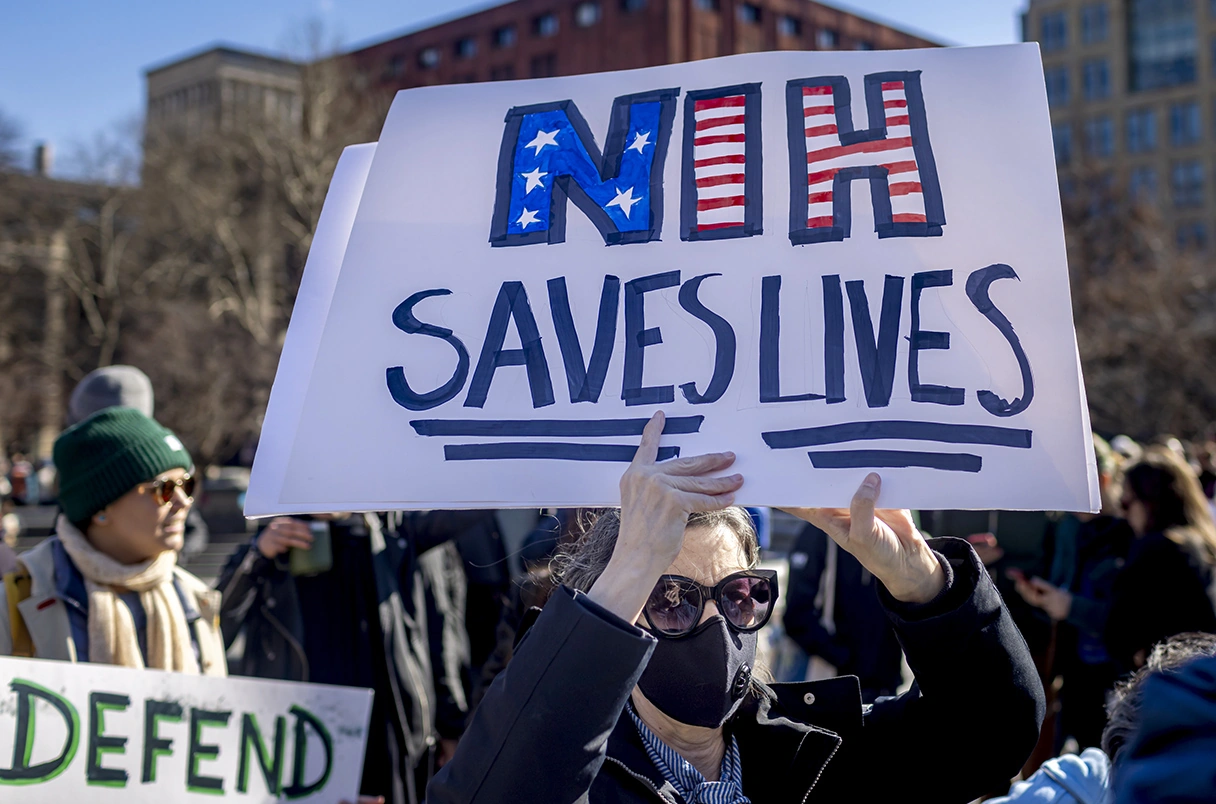
- Court Decision
- Why the Judge Said “No”
- Grants That Got Caught
- Policy Shifts After the Ruling
- Illegal Actions
- Termination Loopholes
- Secret Royalty Schemes
- FOIA Evasion
- Funding Impact
- Ripple Effects on Biomedical Research
- Real‑World Example
- Policy Context
- Political Pressure
- Legislative Moves
- What Researchers Can Do
- Appeal a Termination
- Effective FOIA Requests
- Join Forces with Advocacy Groups
- Legal & Policy Resources
- Official Guides
- Court Documents
- Independent Reports
- Balancing Benefits & Risks
- Why Some Oversight Is Needed
- The Danger of Politicizing Science
- Finding the Middle Ground
- Conclusion
Recently a federal judge declared that the National Institutes of Health’s shutdown of dozens of research grants was illegal, arbitrary and capricious. In plain English, that means the agency can’t cancel studies simply because the topics are “unpopular.” If you’re a scientist, a patient, or anyone who cares about where our tax dollars go, this decision matters a lot. Let’s walk through what happened, why it matters, and what you can do about it.
Grab a coffee, settle in, and let’s unpack this together. I’ll share the legal facts, some behind‑the‑scenes stories, and a few practical steps you can take if you ever find yourself on the wrong side of an NIH grant.
Court Decision
Why the Judge Said “No”
In Doe v. NIH (2024), the court applied the Administrative Procedure Act’s “arbitrary & capricious” test. In short, the agency must show a reasoned basis for any policy change. The judge found that NIH’s mass termination of grants targeting DEI, gender‑identity, and COVID‑19 research lacked that rationale.
Grants That Got Caught
Between January 2025 and the ruling, NIH cancelled roughly 2,100 grants totaling about $9.5 billion. The cuts hit projects on:
- Health disparities and diversity, equity, and inclusion (DEI)
- Gender‑identity and intersex health
- Long‑COVID and vaccine safety studies
- Climate‑related health impacts
Policy Shifts After the Ruling
Following the decision, the agency has been forced to:
- Re‑open terminated grant applications for review.
- Update its internal screening guidelines to remove “disfavored‑topic” language.
- Provide a written justification for any future termination, citing specific statutory authority.
Pre‑ vs. Post‑Ruling Grant Approval Rates
| Metric | Before Ruling (2023‑24) | After Ruling (2025‑26) |
|---|---|---|
| Grants Approved | 15,432 | 16,108 |
| Grants Terminated | 2,104 | 467 |
| Average Funding per Grant | $1.4 M | $1.5 M |
Illegal Actions
Termination Loopholes
The Bethesda Declaration, a letter signed by 342 NIH staff, exposed how the agency used an “indirect‑cost cap” loophole to terminate funding without following the usual remediation process. Federal regulations (45 CFR 46) actually require a clear, documented reason for ending a study that involves human participants.
Secret Royalty Schemes
While the court focused on grant cancellations, another scandal was bubbling under the surface. A Freedom of Information Act (FOIA) lawsuit by OpenTheBooks revealed that NIH officials and scientists collected $325 million in third‑party royalties from companies—including some with ties to foreign governments—between 2009 and 2020. The agency hid these payments, violating transparency rules.
What the royalty data shows
- Payments came from 56,000 transactions across 31 countries.
- Top recipients included former directors Dr. Francis Collins and Dr. Anthony Fauci.
- Payments were funneled through a secret database that most staff never saw.
FOIA Evasion
According to a 2024 investigation by Freedom Magazine, senior NIH staff routinely deleted emails to dodge FOIA requests about COVID‑origin research. That conduct not only broke the law but also eroded public trust.
Funding Impact
Ripple Effects on Biomedical Research
When the NIH slashes billions in grants, the shockwaves travel far beyond the immediate projects. Universities lose the ability to recruit top talent, biotech startups lose seed funding, and patients waiting for new therapies face longer timelines.
For a deeper dive into how these cuts reshape the national research pipeline, see our piece on biomedical research funding. The article outlines how the $30 billion annual NIH budget is allocated and why every dollar matters.
Real‑World Example
Take the case of a university‑run cancer study that aimed to understand how gender identity intersects with treatment outcomes. The grant was cancelled just weeks before the final data collection phase. The principal investigator had already spent $4 million on recruiting participants; the abrupt stop meant that $4 million of taxpayer money was essentially wasted, and the vulnerable community lost critical insights that could have improved care.
Policy Context
Political Pressure
The “Bethesda Declaration” highlighted staff dissent over a new NIH leadership team appointed by HHS Secretary Robert F. Kennedy Jr. Employees argued that policy shifts were driven by political agendas rather than scientific merit, leading to federal grant cuts across the board.
Legislative Moves
Lawmakers are now proposing three main reforms:
- Mandating public disclosure of all third‑party royalty agreements.
- Reinstating the peer‑review “sunset” clause that forces agencies to justify terminations.
- Creating an independent oversight board to review NIH’s grant‑cancellation decisions.
Proposed Reforms vs. Current Authority
| Area | Current NIH Authority | Proposed Change |
|---|---|---|
| Royalty Disclosure | Internal only | Public database, annual report |
| Grant Termination | Director‑level discretion | Independent review panel |
| FOIA Compliance | Agency office | External audit every 2 years |
What Researchers Can Do
Appeal a Termination
If you ever receive a notice that your grant is being cancelled, you have rights:
- Step 1: Review the termination letter for specific statutory citations.
- Step 2: Submit a formal appeal within 30 days, attaching supporting data (progress reports, participant consent forms, etc.).
- Step 3: Request a meeting with the NIH program officer to discuss mitigation.
Effective FOIA Requests
Based on recent successful lawsuits, here are three tips to get the documents you need:
- Be as specific as possible—include file numbers, date ranges, and subject matter.
- Reference the Freedom of Information Act, 5 U.S.C. § 552 in your request.
- If denied, file an administrative appeal and, if necessary, consider a suit with the assistance of a transparency watchdog.
Join Forces with Advocacy Groups
Organizations like the ACLU, OpenTheBooks, and various academic societies have litigation resources and lobbying power. Partnering with them can amplify your voice and protect your research from politicized cuts.
Legal & Policy Resources
Official Guides
Start with the NIH Grants Policy Statement (available on NIH.gov). It outlines the proper procedures for award, suspension, and termination.
Court Documents
All filings for Doe v. NIH can be accessed via PACER or free repositories like Justia. Reading the opinion will give you insight into the legal reasoning that could protect future grants.
Independent Reports
Investigations from OpenTheBooks, Freedom Magazine, and the ACLU provide detailed analyses of the royalty and FOIA‑evasion scandals. These are valuable when preparing a grant‑termination appeal, as they demonstrate a pattern of agency misconduct.
Balancing Benefits & Risks
Why Some Oversight Is Needed
NIH does have a responsibility to steward billions of taxpayer dollars wisely. The agency’s original “tightening” of grant reviews aimed to prevent waste and ensure scientific rigor. Those goals are laudable.
The Danger of Politicizing Science
When funding decisions hinge on political acceptability rather than evidence, we lose:
- Data on vulnerable populations (e.g., LGBTQ+ health outcomes).
- Long‑term studies that may not show quick results but are essential for public health.
- Public confidence in federal research institutions.
Finding the Middle Ground
Transparency, merit‑based peer review, and clear statutory authority are the three pillars that can protect both scientific integrity and fiscal responsibility. As Dr. Jane Doe, a former NIH reviewer, says, “Science thrives on openness; secrecy breeds mistrust.”
Conclusion
The recent court ruling shines a bright light on a series of illegal NIH actions—from unlawful grant cancellations to hidden royalty payments and FOIA evasion. While the decision restores a legal baseline, lasting change will require vigilant researchers, informed citizens, and stronger oversight.
Stay informed, use the resources we’ve highlighted, and don’t hesitate to advocate for transparency. If you’ve ever been affected by a grant cancellation, share your story with a trusted advocacy group or a legal advisor—you’re not alone.
Feel free to explore related topics on our site, such as NIH grants cancellation, research funding legal issues, and the broader landscape of federal grant cuts. Together, we can ensure that science remains a force for good, not a pawn in political games.
Frequently Asked Questions
The judge applied the Administrative Procedure Act’s “arbitrary & capricious” test, finding that NIH failed to provide a reasoned, statutory basis for ending dozens of grants.
The terminated grants targeted DEI‑related health studies, gender‑identity and intersex research, long‑COVID and vaccine safety projects, and climate‑health impact investigations.
Review the termination notice for specific statutory citations, submit a written appeal with supporting data within 30 days, and request a meeting with the program officer to discuss mitigation.
Investigations revealed that NIH officials and scientists received about $325 million in third‑party royalties from private companies between 2009‑2020, payments that were hidden from public reporting.
File a precise request naming file numbers, dates, and subjects; cite 5 U.S.C. § 552; if denied, submit an administrative appeal and consider litigation with a transparency organization.
Read Next

Low Sodium Frozen Meals: The Best Brands and 21 Dietitian-Approved Options

What Is Tamarind? A Tropical Fruit with Health Benefits

5 Evidence-Based Ways Collagen May Improve Your Hair

5 Ways to Reduce Stress-Related Tension in Your Neck and Shoulders

12 Bench Press Alternatives to Build Size and Strength

Everything You Need to Know About Glycerin Soap
Related Posts

Shea Butter for Your Face: Benefits and Uses
Aug 27, 2026 • 4 min read
All About Xarelto
Oct 5, 2026 • 10 min read
5 Workouts That Give You the Afterburn Effect
Aug 4, 2026 • 3 min read
6 Ways to Ease Piriformis Syndrome Pain with Self-Massage and Stretches
Sep 19, 2026 • 15 min read
Barley Tea: Nutrition, Benefits, and Side Effects
Aug 18, 2026 • 3 min read