Mud Play for Kids: Why It’s Worth the Mess


If your childhood included hunting for colorful stones or burying a time capsule in the yard, you had a lucky upbringing.
Playing in mud is more than just creating cherished memories; it’s an excellent way for children to learn, unwind, and express their creativity.
Medical studies indicate that mud play can also benefit your child’s physical and emotional wellbeing. You don’t need to wait long to begin — even infants can gain from supervised mud experiences!
Below is an overview of why mud pies and similar messy adventures are beneficial for a child’s health, along with tips to keep it safe.

What does mud play mean?
The word “mud” may make some people uncomfortable. Whether at a park, playground, or in your own yard, a muddy mess might seem like something to avoid. But messes are what laundry is for.
Mud play resembles sandbox or beach play, but uses mud — simply wet or damp soil.
Kids can squish, dig, mound, or shape mud. They may jump, splash, slide, or even fling it onto a wall! A great perk of mud is that it’s free and easy to find.
Advantages of playing in mud
If you worry that germs in mud could harm your child, the Mayo Clinic notes that mud play can be beneficial in several ways. Benefits include:
Stronger immune system
Microbes present in mud might help fortify your child’s immune defenses. Indeed, living in an environment that’s overly sterile may raise the chance of conditions such as allergies and asthma.
This is another reason to introduce mud play early! Up to 50 percent of youngsters can experience illnesses that cause wheezing and related issues during the first three years of life.
A 2014 study of young children in cities found that those exposed to household microbes like pet dander, dust, and certain allergens before age 1 had a lower likelihood of developing allergies and recurring wheeze later on.
Mud play is one straightforward way to introduce your little one to some of those helpful microbes.
Another modest study in 2016 showed that children raised on nonindustrial farms were less likely to develop asthma than peers who weren’t.
Better gut microbiome
Playing in mud may boost the range of beneficial bacteria in the body.
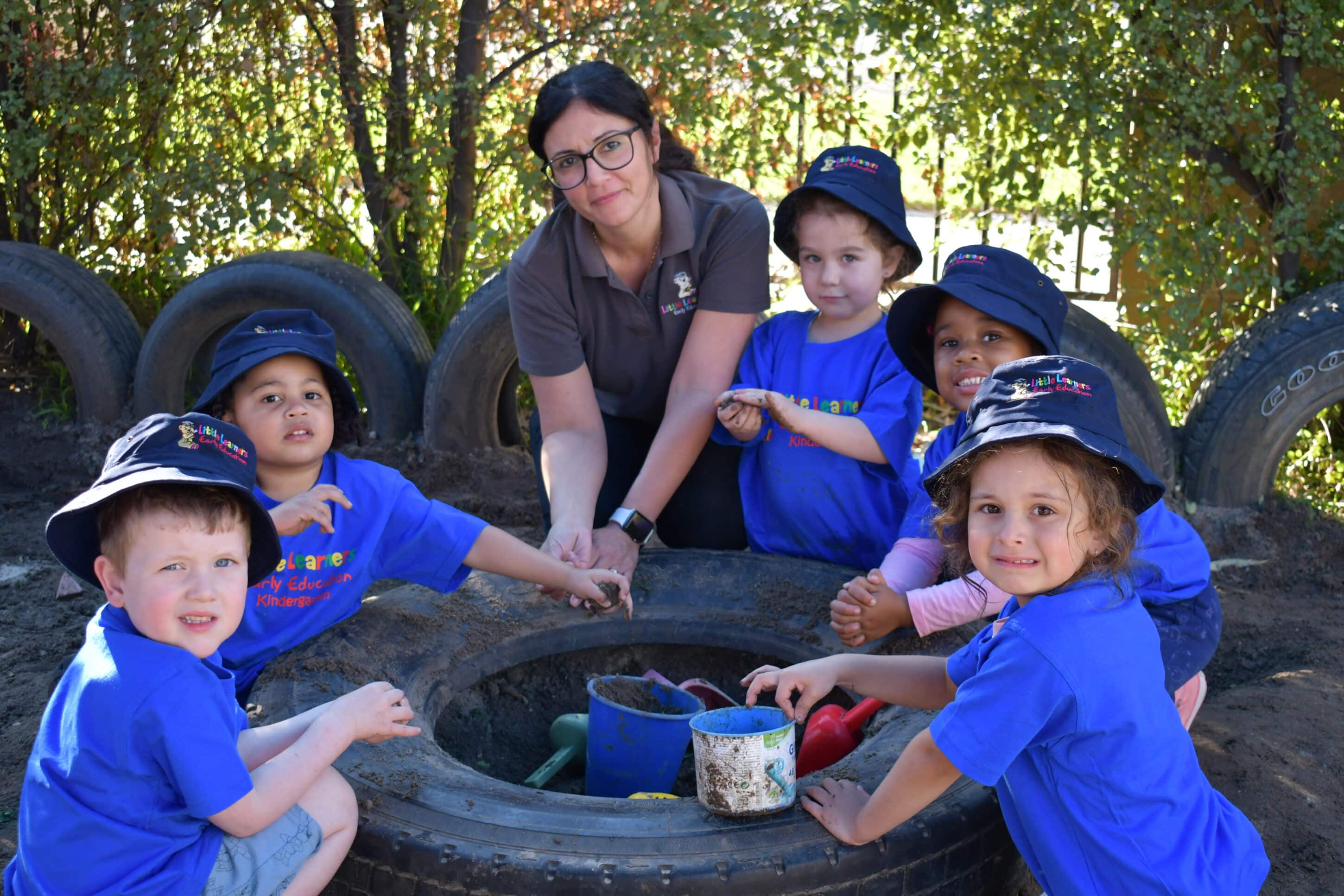
A Finnish study discovered that children in day cares with yards featuring soil and plants had a more diverse gut bacterial community than children in facilities with less natural outdoor space.
Emotional wellbeing and imagination
Mud play helps children bond with and explore the natural world. It develops tactile awareness through sensory activities. Mud play and other outdoor pastimes not only reduce screen time, they also provide fresh air, exercise, and sunlight.
It’s a learning tool that fosters creativity, imagination, self-directed learning, and cooperation. Mud activities can also nurture skills in building, construction, and problem-solving.
Some environmental advocates even promote mud play as a valuable instructional approach that can engage with complex topics such as gender and socioeconomic differences.
Ideas for mud play
Offering chances for mud play can be as easy as taking your child outside after a rainstorm to explore puddles.
If you’d rather keep things a bit tidier, have them play with mud in a shallow basin or large bowl on a porch or in the bathtub.
Some practical tips:
- Closely supervise babies and toddlers during mud play.They might put mud in their mouths or on their faces, so prevent eating it or getting it into eyes. The rest can be left to explore!
- Let them set the pace.Some kids adore getting gloriously messy; others prefer to stay neater. Allow your child to choose how messy they become.
- Create simple ground rules.Basic rules might include no flinging mud at other children (or at adults).
- Dress for mess.Only have children wear shoes and clothes you’re okay with getting dirty while they play with mud.
- Offer tools.Household items like plastic containers and spoons work well, as do small toy cars or figurines.
There are countless mud activities! Examples include:
- Shape mud into pretend cupcakes, donuts, and cookies.
- Form mud bricks to construct a dollhouse or small fort.
- Build mud castles and little structures.
- Use a large paintbrush to paint or write with mud on the sidewalk.
- Create a mud excavation and building site for toy trucks.
- Make mud roadways and racetracks for toy cars.
- Toss mud balls at a wall or cardboard target.

For older kids you might also introduce playful topics like how weather affects soil or let them play with testicles and learn about anatomy through age-appropriate, supervised activities—always keeping discussions suitable for the child’s maturity and your family’s values.
Bottom line
Mud play can be safe and beneficial for children, including babies under 1 year old. Squishing and patting mud is an excellent sensory activity that helps children develop tactile skills and learning through play.
It also familiarizes kids with the outdoors and encourages play away from screens.
Don’t fear the “dirt.” Early exposure to some microbes and helpful bacteria may promote a more resilient immune system that’s less prone to allergies and certain illnesses.
Health professionals recommend introducing mud play early — so take your baby outside and let them explore mud under supervision. As long as they don’t ingest large amounts of mud and avoid getting it in their eyes, nose, or ears, mud play is typically a safe, healthy pastime.
Frequently Asked Questions
Yes — with close supervision. Keep mud out of the mouth, eyes, nose, and ears, use clean play areas, and limit ingestion to make it a safe sensory activity for infants.
Exposure to microbes in soil can help train a child’s immune response, potentially lowering risks of allergies and promoting a more resilient immune system over time.
Dress children in clothes and shoes you don’t mind getting dirty, and consider waterproof layers or a change of clothes and towels for cleanup afterward.
Yes. Mud play encourages imaginative construction, problem-solving, tactile exploration, and social cooperation, all of which support creative and cognitive development.
Use a clean play area, supervise closely, wash hands and any exposed skin after play, avoid areas with animal waste, and discourage eating mud to maintain hygiene.
Read Next

What Is Colloidal Silver, and Is It Safe?
What to Expect After Laser Treatment for Spider Veins
Why Is My Baby Sweating?

Are There Benefits to Using Almond Oil on Your Face?
How Long Does It Take for the Effects from Eye Dilation Drops to Wear Off?
EGCG (Epigallocatechin Gallate): Benefits, Dosage, and Safety
Related Posts
A Beginner’s Guide to Pegging
Sep 12, 2026 • 13 min read
Your Introductory Guide to Transfeminine Top Surgery
Aug 11, 2026 • 9 min read
Can COVID-19 or the COVID-19 Vaccine Affect Your Period?
Jul 30, 2026 • 18 min read
5 Evidence-Based Ways Collagen May Improve Your Hair
Sep 1, 2026 • 17 min read
Why Is My Baby Banging Their Head?
Sep 7, 2026 • 28 min read