Childhood Collarbone Fractures Surge: Emergency Alert!

- Why Do Kid Collarbones Break So Easily?
- Clavicle Fracture Causes by Age Group
- What to Do (and What to Panic About)
- Don’t Let a “Pop” Keep You Up
- When Surgery Isn’t a Magic Fix
- Healing at Home: No Sippy Cups Needed (Well, Except for Pain)
- Days 1–2: Swelling’s the Real Villain
- Weeks 1–6: Treat the Sling Like a Seatbelt
- The Bump That Won’t Quit (But Is it a Big Deal?)
- Will the Bump Fade?
- Long-Term Worries: Real or Not?
- Playing Buddy: Keeping the Collarbone Safe in Full Body
- Kids vs. Sport-Induced Fractures
- Final Thoughts: Trust the Bone Remodeling, Not the Worst-Case Scrolling
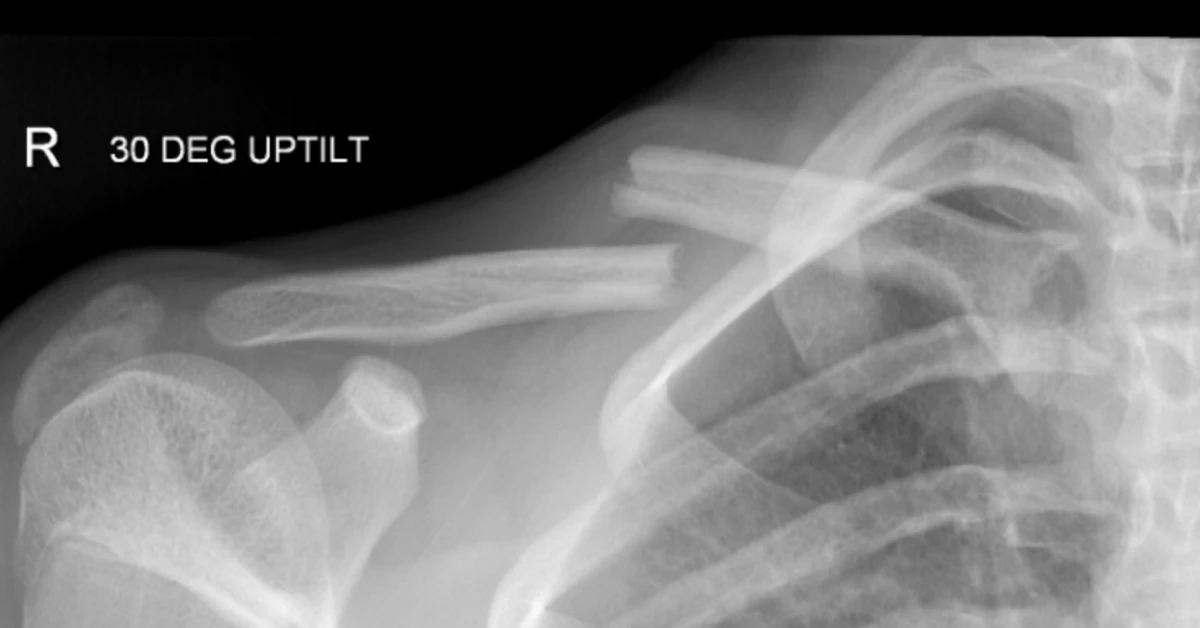
You’re helping your kid pack their backpack when they wince, “Mom, it’s like a lightning bolt ran from my neck to my shoulder!” Sound familiar? If they’ve been roughhousing, skateboarding, or falling off bikes, a child collarbone fracture might be the reason. These injuries—which doctors call pediatric clavicular fractures—are spiking in U.S. emergency departments. You’re not alone.
But wait—surgery for a broken collarbone?! Nope. Turns out, most of these injuries heal like a champ without invasive treatment. The real question? How do you spot the true red flags that mean your kid needs more than a sling? Let’s break it down—but not the scary way.
Why Do Kid Collarbones Break So Easily?
Clavicles—or collarbones—are like the “bridge” of your kid’s shoulder. They’re long, thin, and… yeah, basically built to snap when your child falls. Here’s the lowdown:
- Surge in sports injuries in teens (2022-2023 ED stats show a climb) after playgrounds, team sports, and… wait for it… trampolines. Yep, those bouncy backyard monsters are repeat offenders.
- Newborns can fracture the clavicle during birth, especially breech deliveries. (Orthobullets even calls this a “classic” curveball for parents).
- Kids under 12? Their bones are like fresh sprigs of basil: soft, flexible, and prone to bending. Translation? Most fractures fix themselves without a single scalpel stroke.
Clavicle Fracture Causes by Age Group
Let’s get super specific about what sends kids to the ER:
| Under 5 | Toys, swings, or a toddler faceplant—you know those moments. |
| 5–12 | Bikes, skateboards, or a sibling’s accidental karate kick. Playground rule! |
| Teens (13–18) | Sports tackles, parkour fails, or lockers slamming into them. Believe it or not. |
Three Ways to Spot a Broken Collarbone Fast
You don’t need a medical license to catch these signs:
- Pain that makes a kid locked their arm to their side—think “I can’t even lift a sippy cup!”
- Swelling or bruising right above the collarbone. Super obvious on a baby, less so on a pre-teen wearing a hoodie.
- A “tent-like” skin appearance? Panic dial—that’s a sign of open fracture (when bone breaches skin). ER triple-time.
What to Do (and What to Panic About)
Lounging in the ER waiting room isn’t anyone’s ideal Thursday afternoon. But if your doctor says “clavicle fracture,” here’s the script to follow without breaking a sweat:
Don’t Let a “Pop” Keep You Up
Unless the bone’s impaling the skin or the arm looks like a marion violin’s string snapped (nerve issues), nonoperative treatment is king. A fancy sling, scheduled X-rays, and mild painkillers like Tylenol are all you’ll need.
Pro tip: If your doctor says “no need for casting,” high-five them silently. Casts just aren’t chill for collarbones. Too bulky, too sweaty, and most importantly? They don’t heal faster than slings.
When Surgery Isn’t a Magic Fix
Hold on—here’s the wild part. Surgeons used to operate on adults with 2cm+ clavicle shortening, but with kids? Not so fast. Turns out, their bones self-negotiate like negotiation pros. A 2022 Lancet study even found teens treated without surgery reported the same shoulder function as their scalpel-remediated peers—all while dodging infections and scarring.
So when’s the scalpel fun time? Only if:
- The skin’s compromised (bone piercing it? Double red flag).
- There’s nerve damage (tingling, numbness, cold fingers) or blood flow issues.
- Repeated slings aren’t lining up the bone—though honestly, this is rare.
Nonoperative vs. Surgical: A Parent’s Cheat Sheet
Reviewed 300 pediatric clavicle cases? Short answer:
| Method | Kid-Friendliness | Healing Time |
| Sling + rest | Parent tries: “Look, just swing your arm!” | 6 weeks—no stress |
| Surgical alignment | Wait…you broke how many bones in how much time?! | 3 months—plus anesthesia jitters |
Healing at Home: No Sippy Cups Needed (Well, Except for Pain)
Here’s the game plan to get your kid from “I can’t” to “Check this backflip!” without a kitchen skin-crime:
Days 1–2: Swelling’s the Real Villain
Let’s normalize whining for extra cuddles this first day. Tips:
- Ice packs every 2–3 hours—wrap them in towels, please, unless you want frostbite.
- Arm movements: Waving wrist? Teaches flexibility. Blinking elbow? Full of ice results.
- Soba broth is the perfect meal. No, it’s not a hip thing—easy sipping, zero arm strain.
Weeks 1–6: Treat the Sling Like a Seatbelt
Teens over 12 may weep over shoulder-limping sports bans. But stick to these:
- Sling’s your new best friend at school—not a third/fourth wheel required
- X-rays at 3 weeks? Mostly unnecessary unless symptoms are like…reaching the level of soup that stuck to your arm.
- Encourage sneaky mobility—like “Shoulder Shrugs” while they watch their favorite cartoons.
The Bump That Won’t Quit (But Is it a Big Deal?)
You’ll spot it immediately: a Mount Rushmore-level ridge where the fracture occurred.
Will the Bump Fade?
- For kids under 10? Bone magic smooths it over. Think sandcastle tide—gone after a year.”
- Teens? The bump might stay as muscle’s new friend. But movement? Flawless clapbacks expected.
Long-Term Worries: Real or Not?
Fact: within a year, most kids play contact sports, lift heavy backpacks, and probably wrestle that elbow for the last slice of pizza no signs of weakness.
Myth:Fear the bump unless your kid says, “This spot hurts…like the first time I stepped on Legos.” Those kids need a doc rec, stat. But arm function? Mostly full swing continued.
Playing Buddy: Keeping the Collarbone Safe in Full Body
Here’s the secret to fewer bruises, falls, and broken bones:
- Students in martial arts programs get “Slingproof_ expertise from instructors (“Roll with it, don’t stiff-arm!” saves bones. No.
- Foam pads + stored bike helmets save parents’ neural pathways from overthinking every garageland jump.
- Tighten safety rules once and only once after a break. Let penalties hit the snack drawer, not the bones.
Kids vs. Sport-Induced Fractures
You already know hockey pucks and trampoline mishaps hitchhike to ERs with collarbone fractures. But here’s what the trainers say:
- Start with short scehedities in protective gear like shoulder pads before full rugby tackling sessions
- Warmups aren’t optional—start with slow spins and stretching, not Parkour drops.
- Take a page from stunt performers: landing on your arms is acceptable during practice, NOT during lunchroom tackle attempts. (Also don’t… do that.)
Final Thoughts: Trust the Bone Remodeling, Not the Worst-Case Scrolling
A broken collarbone can feel like the end of the world. But guess what? Kid bones are the QuickHeals of the artwork—they bounce back instantly if your kid plays it cool for 6 weeks.
So what now?
- Slings on, superhero capes off—we’ve got temporary Lance Armstrong lookalikes, but temporarily.
- Talk to your kid calmly: “Hitting healing is cool” is our mantra.
- Surgery? Only for the top 5%—and even then, required guidance steers this battle.
Got questions or a kid who’s refusing to stop skateboard slope drops? Drop a question below—or sign up for a free parent Q&A with pediatric orthopedics here at Not-A-Cast-Centers (Alright, but not really…start with your regular care team).
And hey? If you found this blog at 2 a.m. with a crying kid and no cast instructions in sight, share it with your soccer mom WhatsApp group. We’ve all been there—and I swear, even if the break happened on a scooter, they’ll be scaling playground walls again in six weeks. No lie.
Frequently Asked Questions
Clavicle fractures are the most frequent pediatric upper extremity injuries, with studies showing up to 15% of all childhood fractures occurring in this bone due to its placement and activity levels in kids.
Yes. Over 80% of collarbone breaks in children heal properly with nonoperative treatment like slings, and up to 90% of midshaft fractures resolve without complications given their natural remodeling ability.
Suspect a break if your child experiences pain, exaggerated shoulder drooping, visible lump, or can’t lift their arm fully. Immediate emergency care is crucial for open fractures or tented skin over the collarbone—get checked right away.
Many fractures produce a callus bump visible under the skin. Younger children (under 10) typically see full smoothing within a year, while older kids may notice a small, harmless ridge that doesn’t affect shoulder function.
Contact sports (football, hockey), trampoline use, and overhead lifting? Big nope for 3–6 weeks minimum. Light activities like swimming or writing? Fine, as long as pain doesn’t spike excessively.
Younger kids (under 12) often heal within 4–6 weeks due to aggressive bone remodeling. Teens? 8–12 weeks. Docs will typically clear device-heavy sports around 10–12 weeks with reassessment via X-ray.
Boys dominate the stats—55–65% higher incidence in boys than girls, likely due to differences in sports exposure, not purely biology.




Related Posts

The 9 Best Couches for Good Posture and a Healthy Back
Sep 30, 2026 • 30 min read
About Prickly Pear Seed Oil
Aug 17, 2026 • 16 min read
Does Excessive Alcohol Use Cause Rhinophyma?
Sep 2, 2026 • 4 min read
Pregnancy Yoga Stretches for Back, Hips, and Legs
Sep 15, 2026 • 27 min read
6 Natural Treatments for Shingles
Sep 8, 2026 • 14 min read