
6 Natural Treatments for Shingles

Shingles is an unpleasant viral ailment triggered by the same virus responsible for chickenpox. While there’s no definitive cure, a number of natural approaches can help alleviate symptoms.
If you had chickenpox earlier in life, the varicella-zoster virus remains dormant in your system. It can reactivate later and produce a shingles rash. This painful eruption can appear on virtually any area of the body.

Pain is often the initial sign of shingles. A rash with fluid-filled blisters typically emerges within a couple of days after the pain starts. Some individuals also experience fever, light sensitivity, and exhaustion.
According to the Centers for Disease Control and Prevention (CDC) , roughly one in three people in the United States will develop shingles at some point in their lives.
Symptoms of a shingles episode (reactivation) can continue for 2 to 6 weeks.
Although shingles is not usually fatal, some people develop postherpetic neuralgia. This condition occurs when nerve fibers are damaged, producing persistent shingles pain for weeks or months after the rash has resolved.
There isn’t a cure for shingles, but physicians can prescribe antiviral drugs to shorten the illness and lessen symptoms. Several natural remedies may also reduce pain and discomfort.
This article outlines six natural approaches that can help soothe shingles symptoms.
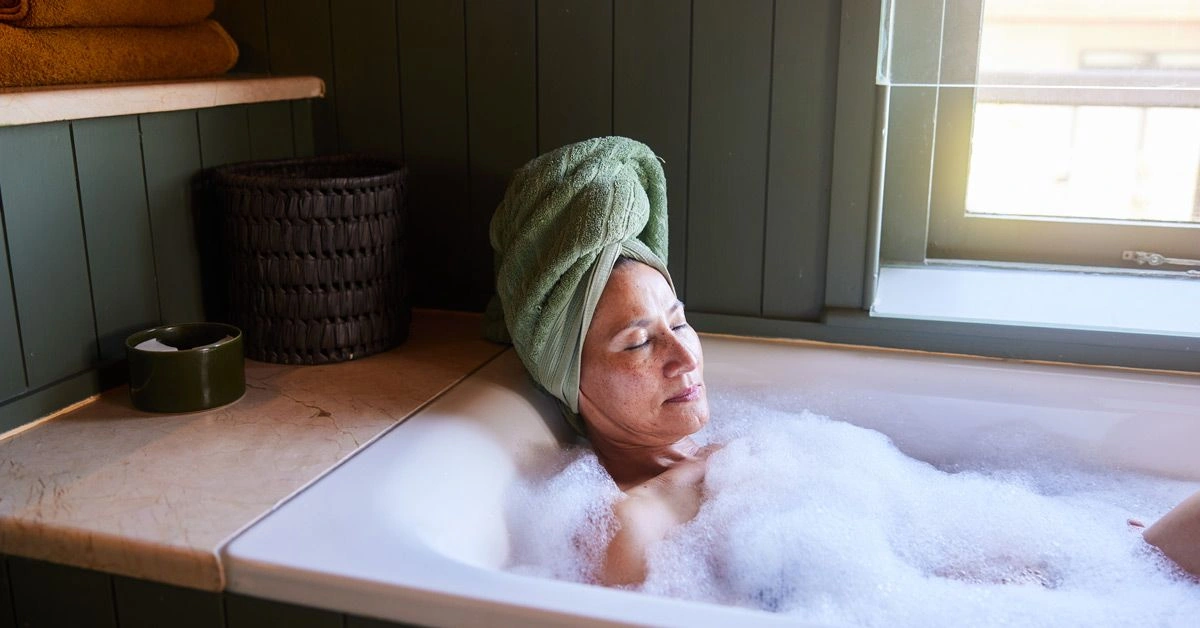
1. Soothing baths
Cleaning your shingles blisters daily can lower the chance of spreading the infection. A cool bath or shower may also calm your skin and reduce itching.
You can take a therapeutic bath to relieve symptoms. Add 1 to 2 cups of colloidal oatmeal or cornstarch to lukewarm bathwater and soak for 15 to 20 minutes.
Avoid hot water. Heat can aggravate shingles blisters because it increases blood flow.
Pat your skin dry gently and wash your towel afterward to prevent passing the virus to others.
2. Cool, wet compresses
Alongside baths to reduce pain and itch from a shingles rash, applying a cool, damp compress can also help.
Soak a cloth in cool water, wring it out, and place it over the rash and blisters. You can use a cool compress several times a day to ease symptoms.
The cooling effect helps lower pain. Do not apply ice directly to the rash, as extreme cold can heighten skin sensitivity and worsen discomfort.
3. Baking soda or cornstarch paste
To calm itching from a shingles rash, make a simple paste from cornstarch or baking soda.
Measure two parts cornstarch or baking soda into a cup and add one part water until you reach a paste-like consistency. Spread the mixture on the rash and rinse off after 10 to 15 minutes. Repeat multiple times per day as needed.
4. Soothing creams and lotions
Scratching a shingles rash can lead to scarring and prolong the life of blisters. If itching persists after a bath or a baking soda paste, consider using gentle lotions or creams.
While lotions and creams won’t speed up recovery, they can make you more comfortable. Steer clear of scented or perfumed products because they may irritate the skin further.
Use topical products sparingly. Heavy application can keep lesions from drying and extend the healing process. For the same reason, avoid antibiotic ointments on the sores.
If you choose creams, look for ones containing capsaicin. Capsaicin has anti-inflammatory properties that can ease pain. You may notice increased discomfort right after first applying it, but the pain typically diminishes gradually.
Capsaicin works by lowering pain signals sent to the brain. Apply lightly three to four times daily if using this cream.
Additionally, applying calamine lotion after bathing can soothe irritated skin and help dry out blisters.
5. Dietary measures
A weakened immune system makes recovery from shingles more difficult. Certain dietary adjustments can support immune function and help prevent the virus from spreading to other areas.
You can bolster your immune system by choosing specific foods and avoiding others.
A diet supportive of shingles recovery includes foods rich in vitamins A, B12, C, and E, plus the amino acid lysine. Foods that help healing include:
- orange and yellow fruits
- leafy green vegetables
- red meat
- eggs
- chicken
- wild-caught fish
- dairy
- whole grains
- legumes
- beans
- tomatoes
- spinach
When coping with shingles, you may crave comfort foods, but certain items should be limited or avoided. Foods to skip include:
- foods and beverages high in sugar
- arginine-rich items (such as chocolate, gelatin, and certain nuts)
- refined carbohydrates
- foods high in saturated fat
Consuming too much of these can impair immune function and potentially prolong the illness.
6. Herbal, homeopathic, and complementary remedies
You might explore homeopathic or herbal options alongside standard medical care to help manage shingles symptoms.
There is limited scientific proof that homeopathic remedies effectively treat any condition. Also, the U.S. Food and Drug Administration (FDA) does not oversee the safety or efficacy of homeopathic products.
Some supplements and herbal preparations that people use to support immune response and help with sleep or anxiety related to shingles include:
- melatonin
- St. John’s Wort
- oregano oil
- Echinacea
- lemon balm
- green tea
- essential fatty acids
Before trying any homeopathic or herbal remedy, consult your physician. Seek immediate medical attention if your condition deteriorates.
Also consider complementary approaches such as aromatherapy or topical options discussed in resources about shingles essential oils to help with symptom relief.
Summary
Keep in mind that natural remedies don’t work for everyone. Even when a natural approach provides relief, there is still no cure for shingles; the virus must simply run its course.
Nevertheless, nonpharmacologic remedies can reduce discomfort and irritation and may support recovery when used alongside conventional treatments.
Frequently Asked Questions
Cool baths, cool wet compresses, and gentle topical options like calamine or light capsaicin cream can reduce pain and itching when applied carefully.
A diet rich in vitamins A, B12, C, E and lysine (fruits, vegetables, lean meats, fish, dairy, whole grains) supports immunity; avoid high sugar and arginine-rich foods.
Yes—simple pastes made from baking soda or cornstarch and water can soothe itching; apply for 10–15 minutes and rinse, repeating as needed.
No proven cure exists for shingles from herbal or homeopathic treatments; some supplements may ease symptoms but should be used with medical advice.
Seek medical care promptly if you have severe pain, widespread rash, eye involvement, signs of infection, or if you are immunocompromised—antiviral drugs can reduce complications.
Read Next

How to Remove and Prevent Moths in Your Home

Is Shaving Against the Grain the Secret to Your Smoothest Shave Ever?

What You Need to Know About Vacuum-Assisted Wound Closure (VAC)
What Are Skin Neoplasms?

If You’re Transitioning, Breast Growth Is Possible — Here’s What You Need to Know

Virectin Review: Does It Really Work?
Related Posts

What Causes Peau D’Orange?
Aug 23, 2026 • 28 min read
Why Is My Sweat Salty? The Science Behind Sweat
Aug 27, 2026 • 20 min read
Do Tattoos Always Stretch? What to Know Before Getting Inked
Sep 23, 2026 • 6 min read
Hernias by Picture
Sep 26, 2026 • 16 min read
What’s the Best Antiseptic for Open Wounds? Iodine, Peroxides, and More
Aug 15, 2026 • 16 min read