

Geranium, peppermint, thyme, lemon, and lavender essential oils might help ease the pain and itching connected to shingles. They should never be applied to broken skin or active shingles lesions. Use caution.
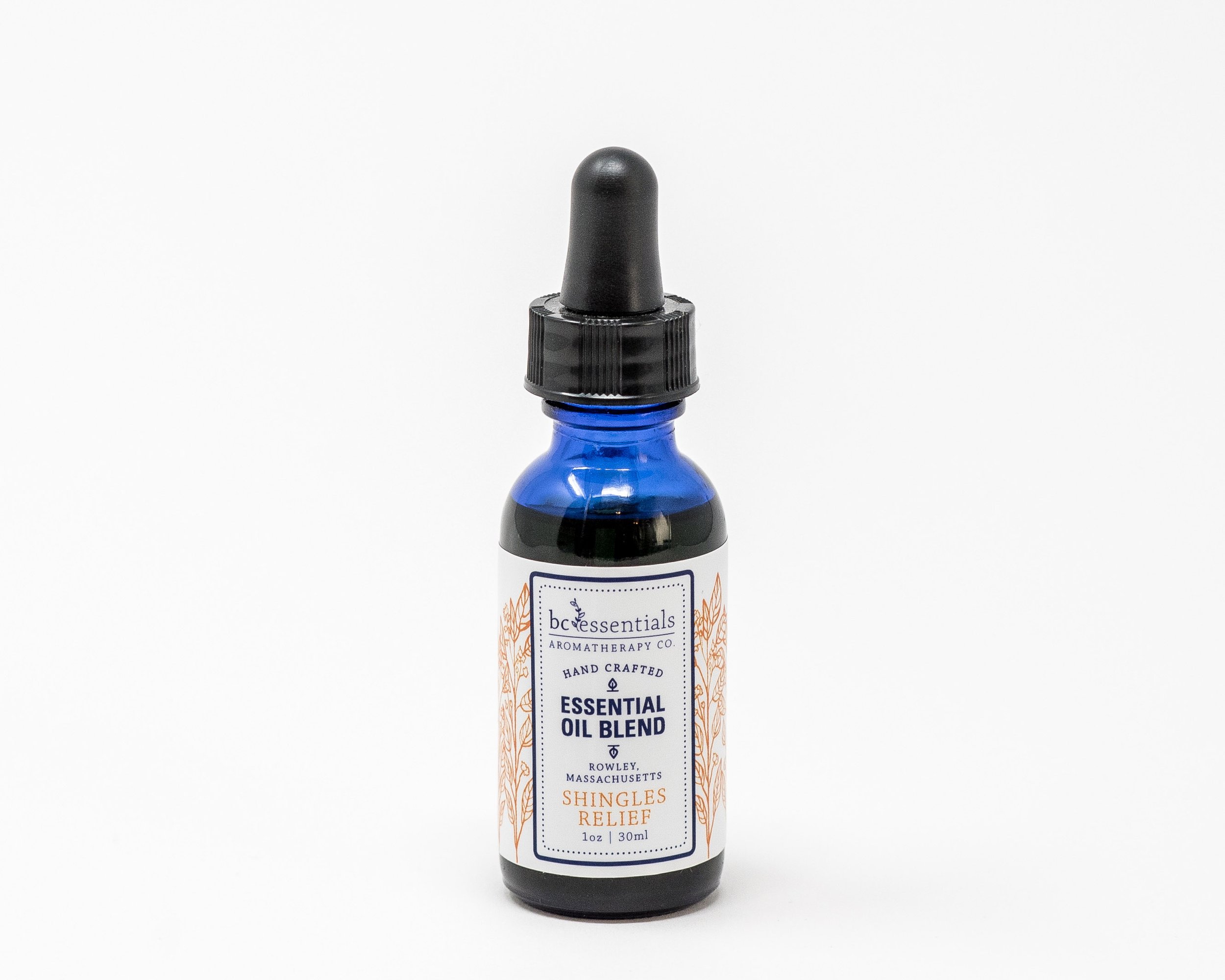
Herpes zoster, commonly called shingles, is caused by the same virus that produces chickenpox. The virus can lie dormant in nerve cells and reactivate later in life as shingles.
The shingles vaccine is effective at reducing the risk of outbreaks, and antiviral drugs plus topical analgesics can help control symptoms. Some nutritionists and holistic practitioners also suggest essential oils as part of a natural symptom-management plan. But do essential oils actually help, and are they safe?
Essential oils for shingles: A clinician’s view
“Although some reports indicate particular essential oils may show antiviral activity, there’s no solid evidence supporting topical oils as a first-line treatment for shingles,” explains Dr. Nicole Van Groningen, a clinical fellow at the UCSF School of Medicine in San Francisco.
Evidence about the therapeutic properties of essential oils is sparse and mainly comes from animal research.
From a clinical standpoint, while essential oils aren’t primary therapy, Dr. Van Groningen doesn’t dismiss them outright. “There are case reports and some literature that support using peppermint oil and geranium oil to address shingles-related pain,” she notes.
Long-term discomfort (postherpetic neuralgia) is a possible complication of shingles. Even after the rash fades, some people continue to feel localized pain in the affected area.
“Capsaicin, a compound found in chili peppers, is effective at reducing pain from a variety of conditions, including shingles,” Dr. Van Groningen adds. “Patients should also know there are several evidence-based medications that can help manage severe nerve pain.”
Learn more about early symptoms of shingles here
Which essential oils might help with shingles?
For shingles-related pain and itching, Dr. Van Groningen suggests:
- capsaicin
- peppermint oil
- geranium oil

These may serve as adjuncts to the antiviral or pain therapies prescribed by your clinician.
Holistic practitioner Birgitta Lauren, based in California, also recommends oils such as:
- thyme
- lemon
- coconut
Lauren suggests blending these with geranium oil. One suggested mix is 10 drops each of lemon, thyme, and geranium oils combined into about a tablespoon of good-quality coconut oil, then applying the blend to the shingles-affected skin.
Rubbing this mixture on painful spots may offer temporary pain relief for some individuals. The moisturizing nature of coconut oil can also help reduce itching and prevent the skin from cracking.
You can apply this essential oil blend daily, but it’s wise to patch-test a small skin area and wait 48 hours before spreading it over the rash.
Because stress often triggers shingles flares, Lauren points out that taking time for self-care can be beneficial.
Some people also use essential oils for aromatherapy — warming the oil and inhaling the scent.
A 2024 controlled trial examining postherpetic pain found that lavender oil aromatherapy lowered pain intensity and severity in individuals with postherpetic neuralgia. Floral constituents such as linalool and linalyl acetate were linked to symptom relief.
Other essential oils with potential analgesic and antimicrobial actions may include:
- clove
- clover
- rosemary
- ginger
For people seeking natural symptom support, you might also read about essential oils for fever and how they’re used in other conditions.
A cautionary note about using essential oils for shingles
Applying essential oils topically or using them in aromatherapy hasn’t been linked to major adverse outcomes in general. However, individuals vary, and what helps one person may not help another. Any topical product carries a risk of irritation or allergic reaction.
Research on appropriate dosing is limited, and product quality varies. Some commercial oils may be overly diluted and lack therapeutic potency. Seek high-quality oils that aren’t blended with unknown additives.
Oils like clove and clover can be irritating to the skin, especially if a rash is active. Diluting essential oils in a carrier such as coconut oil may be necessary.
If you have an active shingles rash, discuss essential oil use with your healthcare provider to review safety and application guidelines.
Bacterial infection is a potential complication of shingles, and handling the area or introducing foreign substances may raise that risk.
Do not use essential oils on broken skin or leaking blisters to avoid infection or worsening symptoms.
Also check whether any essential oil could interact with topical medications you’re using.
How is shingles treated?
Shingles usually resolves within up to five weeks and can improve without specific treatment.
If pain or itching is severe, your clinician may prescribe medications.
Antiviral drugs are commonly used to shorten symptom severity and promote recovery.
Dr. Van Groningen advises making a healthcare appointment as soon as you notice pain or the first sign of a rash. “These medications must be started within 72 hours of symptom onset to achieve the greatest benefit,” she says.
“Patients should also know there is an FDA-approved vaccine that can prevent shingles, now recommended for adults over 50.”
Optum Now is operated by RVO Health. By clicking on this link, we may receive a commission. Learn more.
Takeaway
Essential oils may offer complementary relief for shingles when you don’t have open sores or active blisters. Oils like peppermint and geranium, diluted in coconut oil, could reduce some pain and itching. Discuss the advantages and risks with your healthcare professional before applying any product if you have shingles. Avoid essential oils on oozing blisters or broken skin.


















Leave a Reply
You must be logged in to post a comment.