
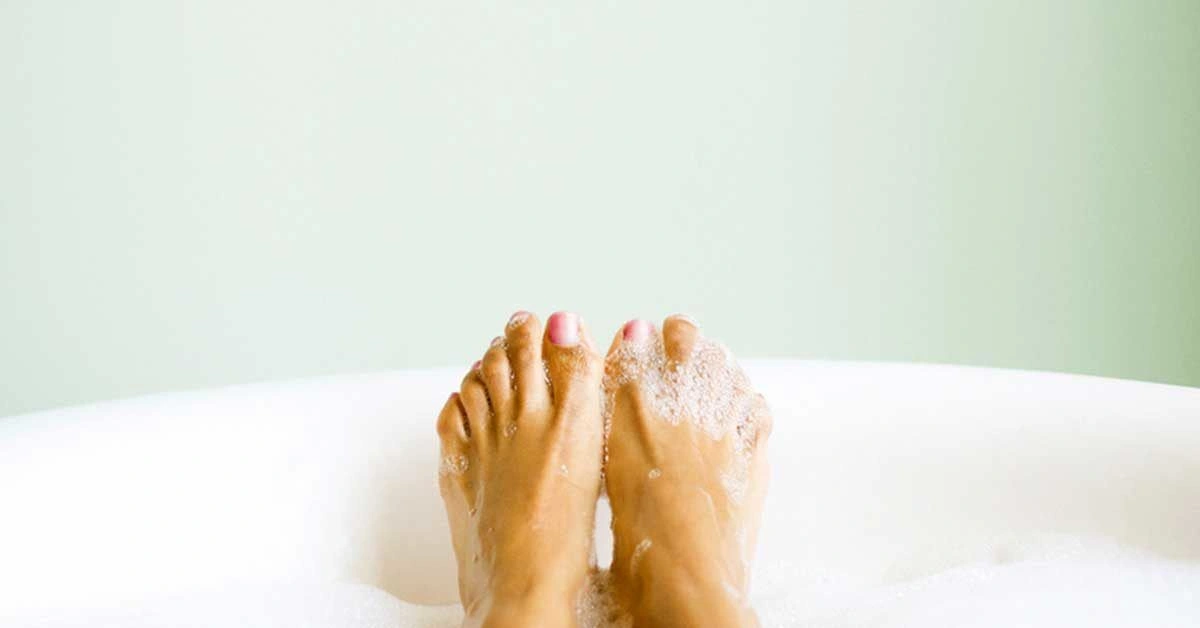
Soaking in a baking soda bath can help manage several skin issues, including eczema and yeast infections, among others. However, it may not be appropriate for everyone, particularly those with open sores.
:max_bytes(150000):strip_icc()/baking-soda-tip-washing-machine-1900716-hero-0c3a1e871a1c4d43b2c25fcb1c785ef5.jpg)
Baking soda baths are an economical, generally safe, and often effective method for skin care and managing certain health complaints.
These baths are distinct from Epsom salt soaks, which are aimed at different problems. Baking soda baths are most often used for dermatological concerns, while Epsom salt baths are employed for matters like circulation, blood pressure, and nerve function. Some bath recipes combine baking soda with Epsom salt.
Read on to discover how baking soda baths can support your health.
How to
Be sure to drink plenty of fluids before taking a baking soda bath. Consider setting a calming ambience with candles, dim lighting, and tranquil music to enhance relaxation. You might choose to dry brush your skin beforehand. For preparing the bath:
- Put between 5 tablespoons and 2 cups of baking soda into the tub, depending on the issue you are treating.
- Stir the water so the baking soda dissolves completely.
- Sit in the bath for 10 to 40 minutes.
It’s advisable to rinse with clean water after the soak to remove any residue and toxins. You can gently exfoliate with a washcloth or loofah to slough off dead skin.
The bathwater should be comfortably warm, not scalding. Avoiding very hot water helps prevent burns, fainting, or lightheadedness, and prevents excessive drying of the skin. Lukewarm water helps skin retain moisture. If you start to feel overheated, add cooler water until the temperature is comfortable.
After bathing:
- pat dry with a towel
- apply moisturizer
- drink water
If you feel weak, dizzy, or faint after the bath, move carefully and sit down.
What conditions can a baking soda bath help to treat?
A warm soak is relaxing and can also help to:
- ease muscle tension and discomfort
- promote sweating
- improve circulation
- support healing
Adding baking soda may bring extra benefits, many of which relate to the skin. Some common uses include:
Yeast infections
Baking soda baths can ease symptoms of yeast infections such as:
- itchiness
- burning sensations
- swelling
Baking soda may also positively influence vaginal pH.
A 2014 study reported that baking soda killed Candida cells that cause yeast infections. Baking soda has also demonstrated broad antifungal properties.
Diaper rash
If an infant has irritated skin from diaper rash, you can soak the affected area in a baking soda bath up to three times daily for 10 minutes each time. The baking soda may calm the irritated skin and aid recovery. Always pat the area completely dry before putting on a fresh diaper.
Use only 2 tablespoons of baking soda for babies and toddlers. Excessive amounts can be absorbed through the skin and lead to alkalosis.
Eczema
A baking soda soak can soothe and help heal eczema. Add 1/4 cup of baking soda to your bath to reduce itching. It’s crucial to moisturize immediately after bathing while the skin is still damp.
Avoid vigorously rubbing your skin with a towel, as this can worsen irritation. Instead, gently pat your skin dry.
Poison ivy and poison oak
Bathing promptly after exposure limits spreading the irritant oils to others and reduces absorption into the skin. A baking soda bath may help relieve itching and irritation from poison ivy or oak.
- Dissolve 1/2 cup of baking soda in a tub of warm water.
- Soak for up to 30 minutes.
Psoriasis
Medicated soaks are frequently an initial treatment for psoriasis. Research from 2005 supports using baking soda baths for psoriasis, showing they can reduce itch and irritation. Oatmeal baths are another option for psoriasis.
Detox bath
Baking soda has cleansing properties and may assist in body purification and immune support. It can be combined with Epsom salt, sea salt, and ground ginger for a detox soak. You can also include essential oils or other natural additions as desired.
For related information on home remedies and internal pH, see baking soda for diabetes.
Chickenpox
Baking soda baths up to three times daily can help relieve itching from chickenpox.
- Use 1 cup of baking soda for every inch-deep of lukewarm water.
- Soak for 15 to 20 minutes.

Urinary tract infections (UTIs)
Sitting in a baking soda bath may help neutralize urine acidity, remove bacteria, and support healing, while easing painful urination.
- Add 1/4 cup of baking soda to the bath.
- Soak for up to 30 minutes (10–15 minutes for young children).
- Repeat twice daily.
Vulvar vestibulitis
Soaking in a baking soda bath may soothe vulvar burning and itching.
- Add 4–5 tablespoons of baking soda to a lukewarm bath.
- Soak up to three times daily for 15 minutes each.
Constipation
A baking soda bath may help relieve rectal pain from constipation and relax the anal sphincter to facilitate a bowel movement.
- Add 2 ounces of baking soda to the tub.
- Soak for 20 minutes.
Safety
Overall, baking soda baths are tolerated well by most individuals.
Avoid baking soda baths if you:
- are pregnant or nursing
- have high blood pressure
- have diabetes
- are under the influence of drugs or alcohol
- have open wounds or serious infections
- are prone to fainting
Always perform a patch test before applying baking soda broadly. Make a paste and apply it to the inside of your forearm, rinse it off, and wait 24 hours to check for any reaction before taking a full bath. If you’re adding essential oils for a detox soak, patch-test those as well.
Consult your child’s pediatrician before giving a baking soda bath to an infant. It’s generally safe if only small amounts are used and bathing time is limited. One reported case from 1981 described a baby who developed hypokalemic metabolic alkalosis after absorbing baking soda through the skin.
Takeaway
Speak with your healthcare provider before beginning any new therapy. Review your plan and the symptoms you aim to address. Monitor your body’s response to the baths and stop using them if you experience adverse effects. If symptoms do not improve within a few days, seek medical care.


















Leave a Reply
You must be logged in to post a comment.