
The suggested amount of ashwagandha can differ based on individual goals, but most studies indicate that taking 250–500 milligrams (mg) daily for at least a month might be helpful.

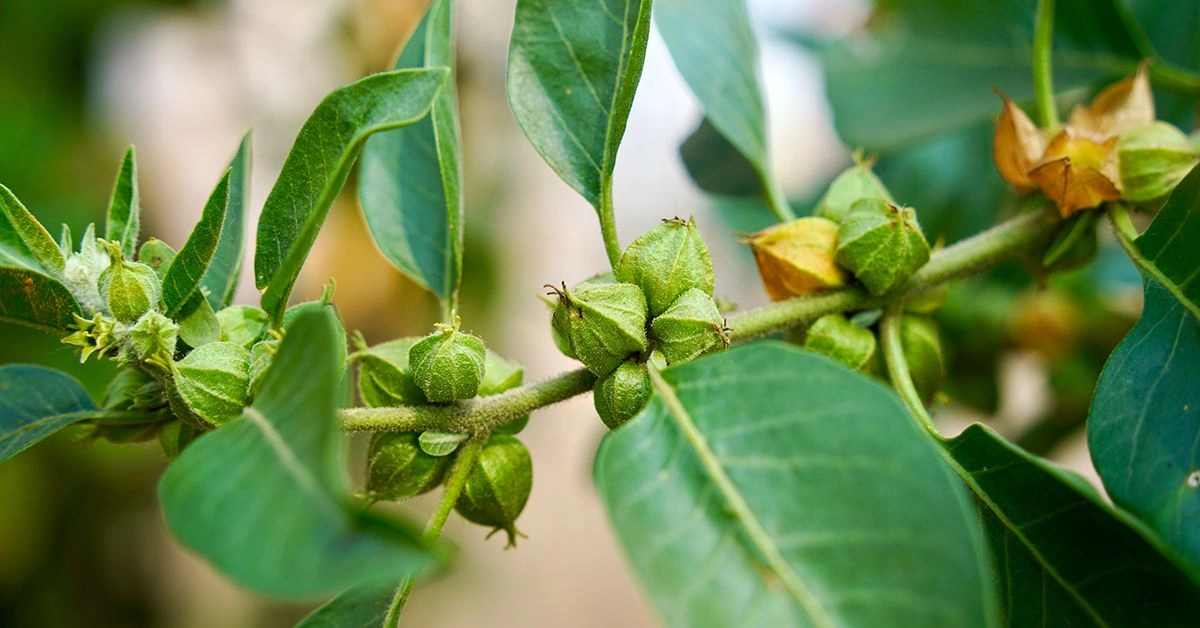
Ashwagandha, botanically known as Withania somnifera, is a small woody plant with yellow blooms native to regions of India and North Africa.
It’s categorized as an adaptogen, thought to assist the body in coping with stress. The plant — particularly its root — has been used as an Ayurvedic remedy for over 3,000 years to address a range of ailments.
Contemporary research also associates it with various health perks, including reduced stress and anxiety, and possible improvements in blood sugar control, mood, and cognition.
Continue reading to find the commonly studied dosages associated with different benefits.
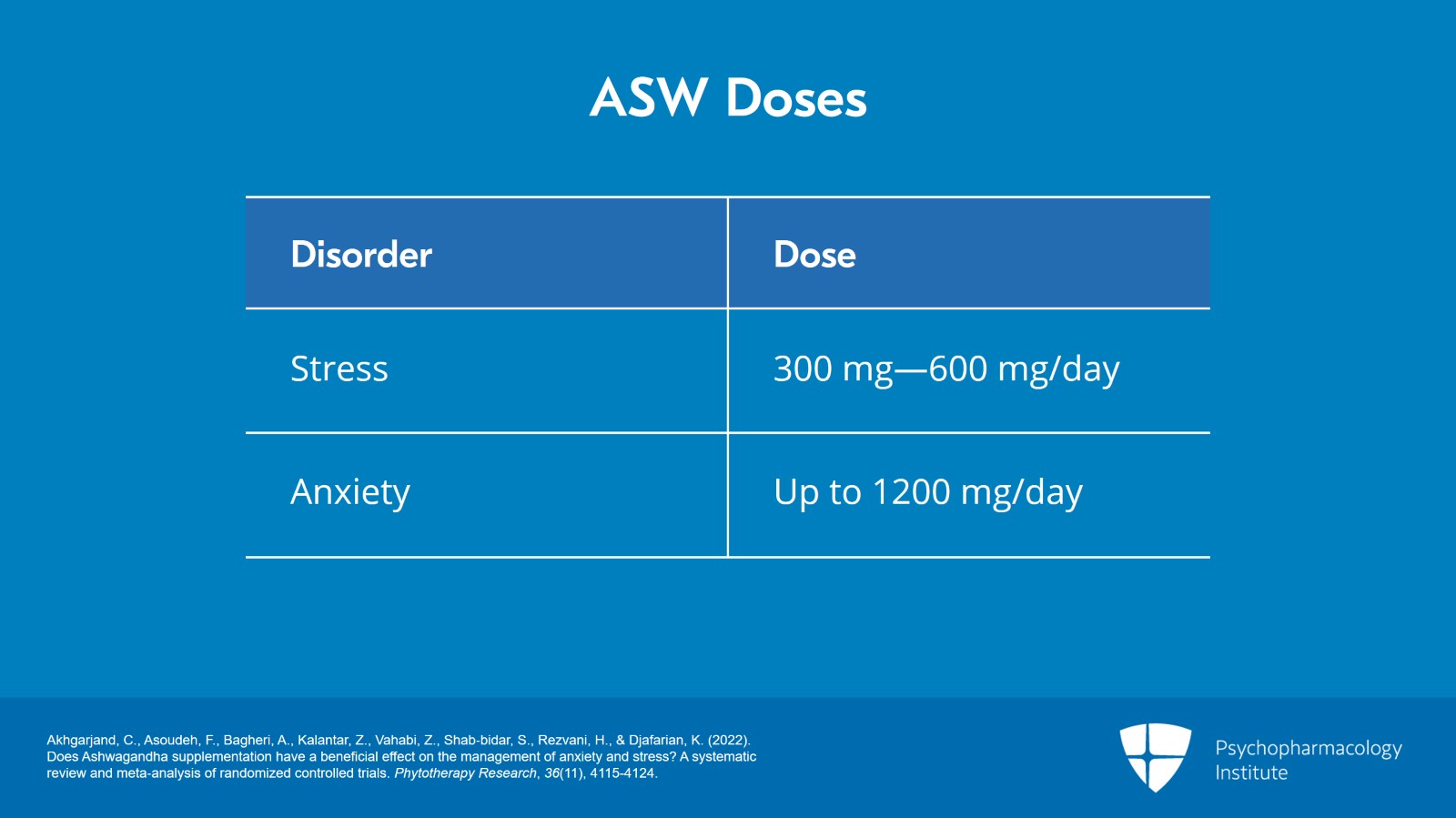
To reduce stress and anxiety
Ashwagandha is most recognized for its ability to mitigate stress.
The herb appears to help decrease cortisol, the hormone your adrenal glands release in response to stress.
Specifically, daily intakes of 225–400 mg for about a month have been shown to significantly lower cortisol concentrations.
A 2021 review found that consuming at least 600 mg of ashwagandha daily for eight weeks could lessen anxiety and enhance sleep quality in people experiencing stress or insomnia.
To boost fertility
Ashwagandha may support reproductive health and fertility, particularly in men.
A 2018 review reported that ashwagandha can improve male fertility by increasing sperm motility and concentration.
In a small 2022 trial, adult men with low sexual desire received 300 mg of ashwagandha root extract twice daily for eight weeks. The study found notable increases in serum testosterone and sexual well‑being.
To enhance muscle growth and strength
Supplementing with ashwagandha may also help increase muscle mass and strength.
In one study, taking 500 mg of ashwagandha extract produced significant gains in upper and lower body strength when combined with resistance training over 12 weeks.
To lower inflammation and protect against infection
Ashwagandha may help reduce inflammation and support immune function.
A 2021 study observed that consuming 60 mg of ashwagandha extract daily for one month enhanced innate and adaptive immune responses, which could aid in defending against infections.
To boost memory
In Ayurvedic tradition, ashwagandha is used to support memory, and some research backs this use.
A 2021 trial reported that taking 300 mg of ashwagandha root extract per day resulted in meaningful improvements in memory and attention after 90 days in adults experiencing high stress.
However, human studies in this area remain limited, and additional research is needed before drawing firm conclusions.
Safety
Ashwagandha is generally safe for most people. Still, healthcare providers advise against using the herb if you:
- are pregnant
- are breastfeeding or chestfeeding
- have an autoimmune disorder, such as lupus
- have rheumatoid arthritis
- have type 1 diabetes or Hashimoto’s thyroiditis — you may need to avoid it
Ashwagandha can interact with certain medications, so anyone on prescription drugs should consult their clinician before starting the supplement.
Keep in mind that many of the ashwagandha studies are small and of limited quality. Because of this, information on effective and safe dosages might be imprecise. More rigorous research is required.
Side effects
Although ashwagandha is widely regarded as safe, it can cause some adverse effects, including:
- stomach discomfort
- loose stools
- nausea
- drowsiness
Rarely, more serious effects such as liver injury have been reported. If you notice signs of liver problems, like jaundice, seek immediate medical care to reduce the risk of lasting liver damage.
The bottom line
Ashwagandha is an herbal remedy that may provide several health advantages, including improvements in:
- inflammation
- mood
- memory
- stress and anxiety
- muscle strength
- fertility
Recommended amounts depend on the intended use, but research indicates that 250–500 mg daily for at least one month may be effective.





















Leave a Reply
You must be logged in to post a comment.