
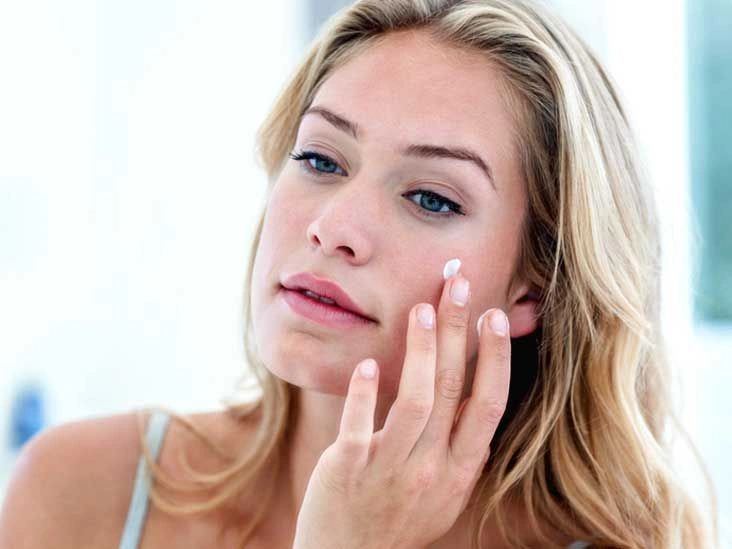
To balance skin tone, you can explore several natural at-home treatments. However, consult a dermatologist if the discoloration might stem from a medical condition.
Many of us desire flawlessly uniform skin, yet uneven tones are common. This can appear as redness, acne scarring, age spots, or sun-related damage, producing patches or discoloration.
Uneven skin tone may be temporary or long-lasting and can be caused by:
- sun exposure
- aging
- medications
- hormonal changes
Luckily, there are approaches to help reduce discoloration and hyperpigmentation.
Lifestyle adjustments to improve your complexion
Several habit changes can enhance the look of your skin.
Keep hydrated
Hydrating both your body and skin greatly benefits complexion.
Drinking water nourishes you internally.
Applying moisturizer calms the skin, addressing dryness and redness. Opt for noncomedogenic formulas to avoid clogged pores and irritation.
Remember to moisturize all exposed skin — not only your face. A broad-spectrum moisturizer that blocks UVA and UVB rays on your hands can help ward off age spots over time.
Use sunscreen daily
Apply sunscreen every day to prevent sun-related skin damage. This not only stops immediate sunburn redness and peeling but also reduces the risk of developing age spots.
Wear sunscreen whenever you’ll be outdoors, and reapply during sun exposure, even in colder months.
Avoid certain foods and beverages
Some foods and drinks can provoke flushing or uneven skin. Items like sugary treats may accelerate wrinkle and age spot development.
Cutting back on these can help maintain a more even complexion.
Foods and drinks to limit include:
- alcohol, which can dilate blood vessels and cause facial flushing
- spicy foods, which may heighten redness
- items high in refined sugars
- dairy, which can trigger various skin issues, including acne
- highly processed or oily snacks like chips
Natural ingredients to promote even skin
There are many natural remedies you can use at home to even skin tone. Numerous premium skincare products include these ingredients.
Vitamin C
Vitamin C is an antioxidant that can shield against free radical damage that leads to tissue harm and uneven pigmentation.
You can take supplements, apply a vitamin C serum, or get vitamin C from foods like:
- oranges
- guava
- bell peppers
- kiwi
- strawberries
A balanced diet and a topical vitamin C serum are among the best sources.
Niacin
Niacin is a nutrient important for healthy skin, hair, and nails.
It may help:
- restore uneven skin tones
- reduce fine lines
- brighten the complexion
Niacin enhances skin hydration. You can find it in foods such as:
- poultry
- green peas
- mushrooms
- tuna
Niacinamide, a form of niacin, also supports skin health by helping to:
Witch hazel
Witch hazel has calming, anti-inflammatory qualities that may diminish irritation and redness. Apply it topically or use products like toners, lotions, or soaps that contain it.
Be aware that witch hazel may be drying or irritating for some individuals.
Rosehip oil
Rosehip oil may lessen discoloration due to inflammation. Its antioxidants help counter free radical damage and may stimulate collagen production.
For best results, apply rosehip oil directly to the skin.
Nigella sativa (blackseed oil)
Nigella sativa oil, or blackseed oil, may treat certain skin infections because of its antibacterial and antifungal actions.
Its antioxidant and anti-inflammatory traits might also contribute to evening out skin tone.
A 2015 study even indicated it could reduce vitiligo without major side effects.
Kojic acid
Kojic acid appears in many OTC products for its antioxidant effects. It has been deemed safe at a 2 percent concentration in cosmetics.
It’s commonly used to lighten areas of hyperpigmentation.
Chemical peels
Various chemical peel options exist. Both professional and at-home peels may include low concentrations of glycolic or salicylic acids.
Avoid peels if you have sensitive skin or are using acne treatments, including topical retinoids or oral drugs like isotretinoin (Accutane).
Here are more tips for performing a chemical peel at home.
Glycolic acid
Glycolic acid can treat acne, scars, sun and age spots, and wrinkles. It works by penetrating the upper skin layers and prompting exfoliation, revealing fresher skin beneath.
Salicylic acid
Salicylic acid is common in OTC acne care. Milder than glycolic acid, it exfoliates the skin’s surface to remove damaged cells.
It can help with:
- acne
- scarring
- discoloration
Medical and professional treatments
Certain treatments require a prescription or must be performed by a professional. These options can be pricier but may resolve stubborn concerns that home remedies don’t.
4 percent hydroquinone
Hydroquinone cream can be applied to darkened areas twice daily or as instructed by your clinician. It’s typically used to lighten dark spots and even out skin tone.
The cream can cause irritation or contact dermatitis in some people. The FDA recognizes it as safe within regulated concentrations.
If you experience pain, persistent redness, or lasting dryness, consult your skincare professional about alternate treatments.
Laser therapy
Lasers are used to improve skin tone, lighten scars, and reduce age and sun spots. For example, yellow lasers can flatten scars and lessen their redness.
However, laser therapy can sometimes trigger hyperpigmentation or color changes, so it may be wise to try other treatments first.
When considering laser work, choose a provider experienced in treating pigmentation issues.
Clinical-strength chemical peels
Professional peels come in three depths:
- light
- medium
- deep
They exfoliate the skin with a chemical solution, causing peeling before new skin appears.
Light peels use gentler acids like salicylic acid and are quick. Medium peels may need sedatives or pain control, while deep peels require sedation and use potent agents like phenol.
Recovery from deep peels can extend up to two weeks, with redness possibly lasting months. Light peels typically have only a few days of recovery.
Professional microdermabrasion
Microdermabrasion treats conditions such as:
- mild scarring
- sun damage
- uneven pigmentation
It removes the thicker damaged outer layer while encouraging collagen production, resulting in a fresher appearance.
Downtime is minimal. You may have some redness, dryness, or flaking for a few days afterward.
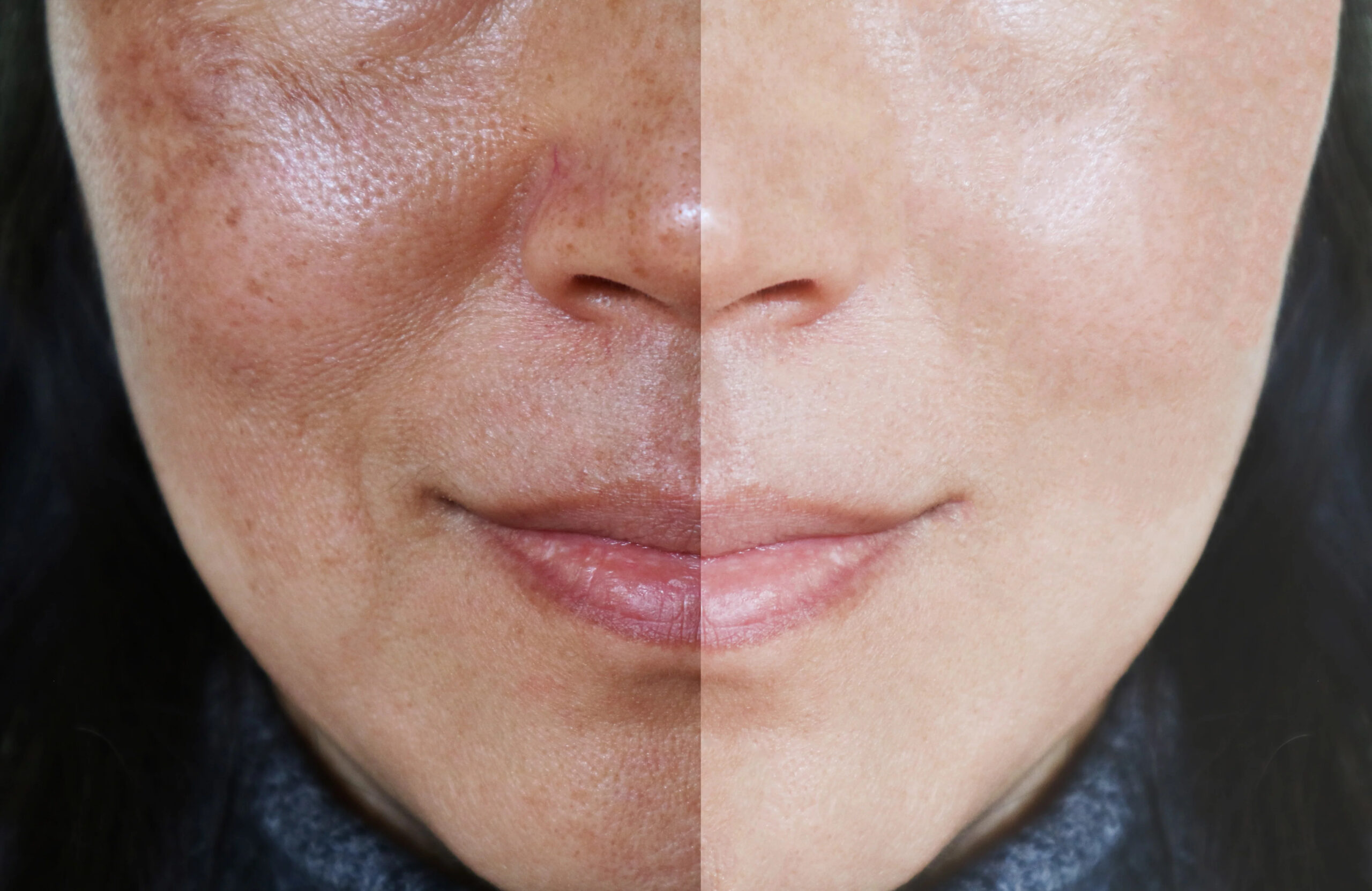
Makeup as a quick fix
For an immediate solution to uneven tone, makeup provides many options, including:
- foundations, delivering fuller coverage to even out the entire face
- tinted moisturizers, available in skin-tone or green tints (green masks mild redness). They offer lighter coverage than foundation but help with minor unevenness.
- concealers, designed to hide blemishes or discolored patches
Warning about injectable lightening products
The FDA has found injectable skin-bleaching or lightening products to be unsafe and ineffective. They may contain dangerous substances or contaminants.
If you’ve used injectable lightening treatments and are experiencing adverse effects, seek medical attention promptly.
Bottom line
To even out your skin tone, you can try a variety of at-home remedies, including lifestyle adjustments and natural treatments.
If needed, consult a healthcare provider or skincare specialist. See a professional right away if you notice blemishes or irregularities that might indicate an underlying issue.
These conditions include:
- moles or spots that could be skin cancer
- psoriasis
- severe acne not improving with home care
- rosacea
If home measures haven’t produced improvement after about a month and you want better results, schedule an appointment with your healthcare provider or a skin specialist. They can recommend more effective treatments.















Leave a Reply
You must be logged in to post a comment.