

For many people, the first thing in the morning is reaching for a box of tissues. Why do so many of us arise with nasal congestion, even when we aren’t ill?
There are multiple reasons for early-morning nasal blockage, commonly called rhinitis, and some of them may surprise you.
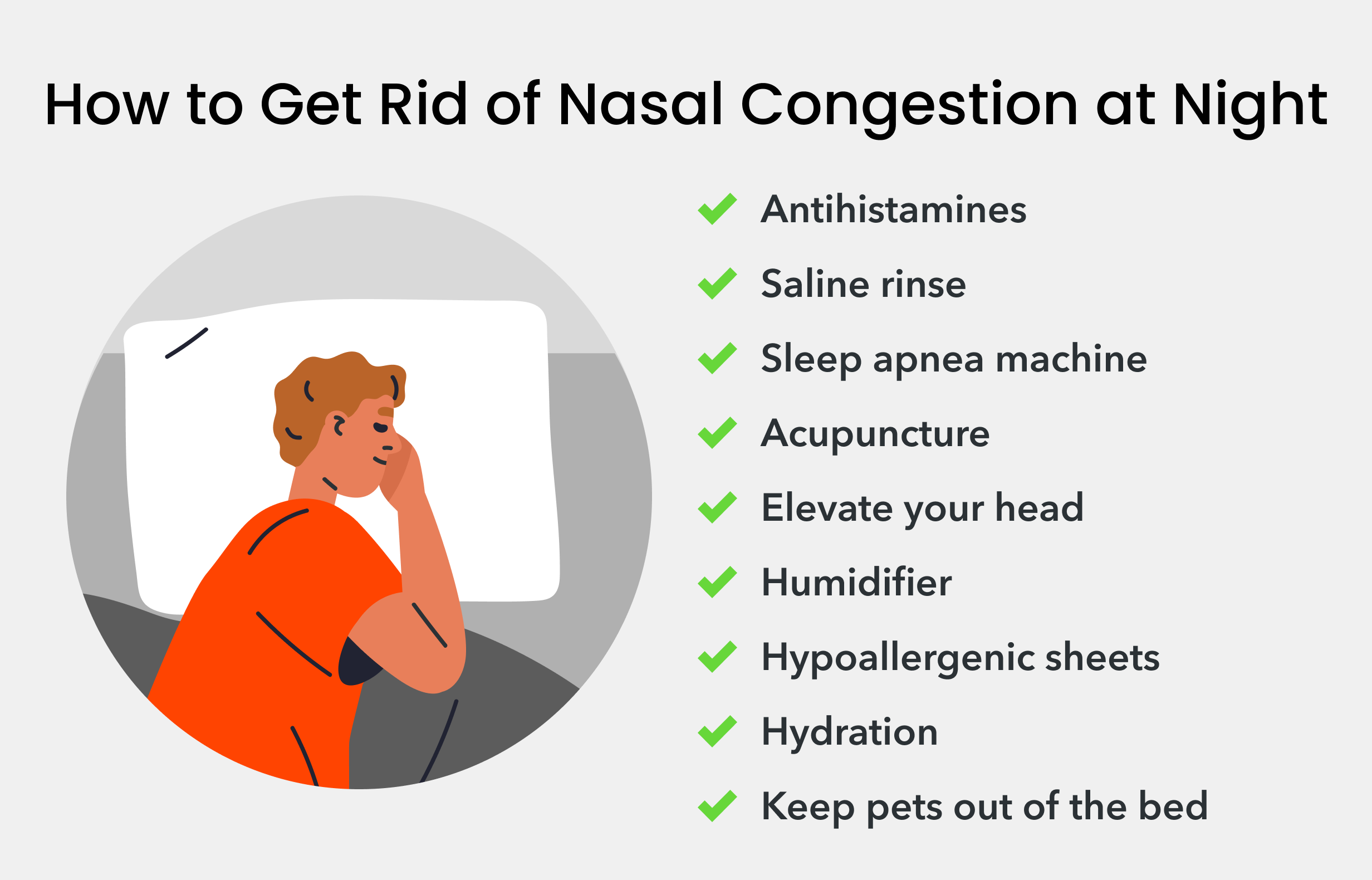
The most frequent cause is allergens
Data from the 2005–2006 National Health and Nutrition Examination Survey (NHANES) shows that about 74 percent of us are exposed to 3–6 allergens in our bedrooms each night.
Every time you turn over, tug at your covers, move the dog off the bed, or plump your pillow, you stir up fresh clouds of allergens into the air you breathe. It’s no wonder nasal tissues become inflamed overnight!
Here are common bedroom allergens and steps you can take to reduce their impact:
Dust mites
All homes, no matter how tidy, harbor dust mites.
If you’re allergic to dust mites, it isn’t the dust or the mites themselves that provoke symptoms. Brace yourself: it’s particles of dust mite feces that trigger sneezing, itchy eyes, and morning stuffiness.
People allergic to dust mites contend with symptoms year-round, unlike those with seasonal allergies.
Reducing dust mites The Asthma and Allergy Foundation suggests these measures to lower dust mite numbers in your bedroom: Wash bedding in hot water frequently — at least weekly, or more if needed. Keep the thermostat between 64 and 68 degrees because dust mites flourish in warmer air. Zip allergen-barrier covers over mattress and pillows. Use certified allergen-reducing air filters at home. Avoid carpets and upholstered furniture in the bedroom. Use a dehumidifier to make the environment less hospitable for dust mites. Clean floors with a vacuum that has a certified HEPA filter, and mop to pick up debris your vacuum may miss.
Pollen
Seasonal allergies peak in spring and fall. If you’re sensitive to pollen in your region, it may be increasing mucus production or swelling the tissues inside your nose.
Pollen that worsens seasonal allergies can enter through open windows or be circulated via your HVAC system.
Mayo Clinic physicians recommend these approaches to manage seasonal allergy symptoms:
- Limit outdoor activities on high-pollen days.
- Assign outdoor chores to household members less affected by pollen.
- Use high-quality air filters to clean indoor air.
- Discuss immunotherapy, prescription, or over-the-counter allergy treatments with your doctor for peak allergy times.
- Consider acupuncture. In 2015, acupuncture was listed among recommended treatment options by the American Academy of Otolaryngology-Head and Neck Surgery.
- Explore alternative remedies like spirulina and butterbur. The National Institutes of Health notes evidence that butterbur can ease allergic rhinitis symptoms. Research also indicates spirulina has reduced allergy symptoms for some people.
Mold
Indoor mold exposure might be the nighttime trigger. The American College of Allergy, Asthma, and Immunology recommends checking these areas for mold:
- bathrooms
- basements
- gutters
- trash bins
- refrigerator drip pans
- anywhere a leak may have left surfaces damp
Hire professional mold remediators for cleanup when needed, and consult an allergist if over-the-counter antihistamines aren’t helpful.
Pet dander
The American Veterinary Medical Association estimates some 70 million U.S. households have at least one pet. If your dog, cat, or bird sleeps with you, it may be contributing to your congestion.
If morning stuffiness outweighs evening snuggles, avoid letting your pet sleep in your bed. You can also try these steps to reduce nasal irritation and blockage:
- Bathe your pet with an anti-allergen shampoo.
- Keep litter boxes out of the bedroom.
- Choose hardwood or other non-carpet flooring so dander doesn’t embed in rugs.
Morning congestion can also stem from irritants
Sometimes morning stuffiness isn’t from allergens but from irritants that cause nasal tissues to swell overnight. Here are common irritants encountered during sleep.
GERD
Gastroesophageal reflux disease (GERD) is a chronic condition where stomach contents flow back into the throat and nasal passages.
Research has shown a link between GERD and rhinitis. Symptoms of GERD often worsen at night when sleeping position can make reflux more likely.
Ways to ease GERD symptoms at night To reduce GERD’s effect when sleeping, try: elevating one end of your mattress avoiding late-night meals and snacks wearing pajamas that don’t constrict the waist
Tobacco smoke
If you’re exposed to cigarette smoke during the day or someone in your household smokes, you may wake with rhinitis. Secondhand smoke can also raise your risk for chronic sinus issues.
Discuss medications with your doctor, and be cautious with over-the-counter decongestants: Mayo Clinic experts warn that excessive use can sometimes worsen inflammation.
Or the cause may be bodily changes
Hormones
Hormonal shifts during pregnancy and menstruation can also produce morning nasal congestion.
About 39 percent of pregnant women experience pregnancy-related rhinitis. Studies suggest these methods can help reduce symptoms safely:
- Rinse your nose with saline using a Neti pot
- Exercise
- Use nasal dilators such as Breathe Right strips
The takeaway
If you wake up stuffy without a cold or the flu, you might have allergic or non-allergic rhinitis.
Your nasal blockage could be due to dust mites, seasonal pollen, pet dander, reflux disease, hormonal changes, or environmental chemicals like secondhand smoke.
Reduce exposure to triggers by keeping bedding clean, minimizing bedroom fabrics like carpets and upholstered furnishings, and keeping pets out of the sleeping area.
Air filters for your HVAC system and vacuum cleaner can help, but consider discussing antihistamines, decongestants, and natural remedies with your doctor to relieve symptoms.























Leave a Reply
You must be logged in to post a comment.