

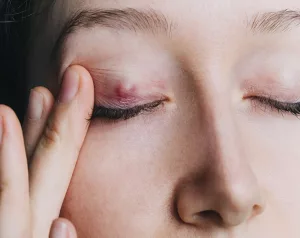
Your eyes may seem bloodshot in the morning because of allergies or a lack of tears. Occasionally, however, morning redness can signal a more serious issue, such as trauma or infection.
After rising from sleep, you might catch sight of red, bloodshot eyes in the mirror.
Sometimes the eyes appear vividly red or pinkish, and you may notice squiggly red or pink lines — these are blood vessels that are usually not prominent.
A variety of factors can make the tiny blood vessels in the eyes widen and swell after sleep. Some of these causes are harmless, but morning bloodshot eyes can also point to more significant problems.
In this article, we’ll review the reasons for red eyes upon waking and explain when you should seek medical care. We’ll also suggest home remedies you can try when the redness is not an urgent concern.
Causes of red eyes in the morning
The sclera — the white part of the eye — contains countless small blood vessels. When these vessels become engorged or inflamed, your eyes will look red, especially first thing in the morning.
Many cases of morning eye redness improve with simple lifestyle changes. It’s important, though, to tell apart nonurgent causes from serious conditions that produce similar redness.
| Nonemergency causes | More serious causes |
| computer vision syndrome | uveitis |
| eyestrain | sleep apnea |
| lack of sleep | nocturnal lagophthalmos |
| dry eye syndrome | subconjunctival hemorrhage |
| drinking alcohol to excess | blepharitis (eyelid inflammation) |
| environmental irritants | conjunctivitis (pink eye) |
| allergies | acute glaucoma |
| rheumatoid arthritis |
Nonemergency causes
There are many benign reasons your eyes might be red when you wake.
Computer vision syndrome
Looking at screens for two hours or more continuously can cause ocular redness. If this habit occurs late at night, you may rise every morning with reddened eyes.
Using computers and other digital devices strains the eyes because we blink less while focused on screens, which reduces tear distribution and leads to redness.
Eyestrain
Other forms of eyestrain can also produce morning redness, such as long nighttime drives or reading in poor light.
Lack of sleep
When you don’t get enough rest, red eyes upon waking are common. Sleep deprivation reduces lubrication and oxygen delivery to the eyes, producing temporary redness.
Dry eye syndrome
While you sleep, tear production may fall, causing dryness and resultant redness when you wake. People with chronic dry eye often notice this more prominently after sleeping.
Drinking alcohol to excess
Having too much alcohol the night before can leave your eyes red in the morning because alcohol acts as a diuretic and dehydrates the body, including the eyes.
Environmental irritants
Pollutants like dust, cigarette smoke, ash from fire, and vehicle exhaust can inflame the eyes and make them red. Low-humidity air that’s very dry can also irritate the eyes.
Allergies
Pollen, dust mites, pet dander, and other allergens can trigger itching, redness, and tearing. Whether seasonal or perennial, an over-the-counter antihistamine may ease symptoms. If allergies are keeping you congested at night, see our guide on waking up with stuffy nose.
Serious conditions
When morning bloodshot eyes stem from an underlying medical issue, other warning signs often accompany them.
Symptoms that warrant prompt medical evaluation include:
- eye pain
- deep red or pink discoloration that doesn’t fade after a week
- blurry or double vision
- any change in eyesight
- light sensitivity or seeing halos around lights
- nausea or vomiting
- eye discharge
Some serious disorders linked with these signs include:
Uveitis
The uvea is the eye’s middle layer that supplies blood to the retina. Uveitis is inflammation of this layer.
This condition can arise from many causes and typically produces severe redness, pain, blurred vision, floating dark spots, and light sensitivity.
Uveitis can threaten sight and needs evaluation and treatment by a physician.
Sleep apnea
Sleep apnea causes abrupt changes in blood pressure and oxygen levels during sleep, which can impact the eye’s blood vessels.
This may lead to inflammation and redness, and over time it can damage the retina. If you experience other sleep apnea signs — such as morning headaches, irritability on waking, or memory problems — consult your doctor.
Nocturnal lagophthalmos
Nocturnal lagophthalmos means the eyelids don’t fully close during sleep. It may be a sign of more serious conditions like Bell’s palsy or autoimmune disease.
Along with morning redness, affected people may feel pain, irritation, tearing, and a gritty sensation as if something is in the eye.
Subconjunctival hemorrhage
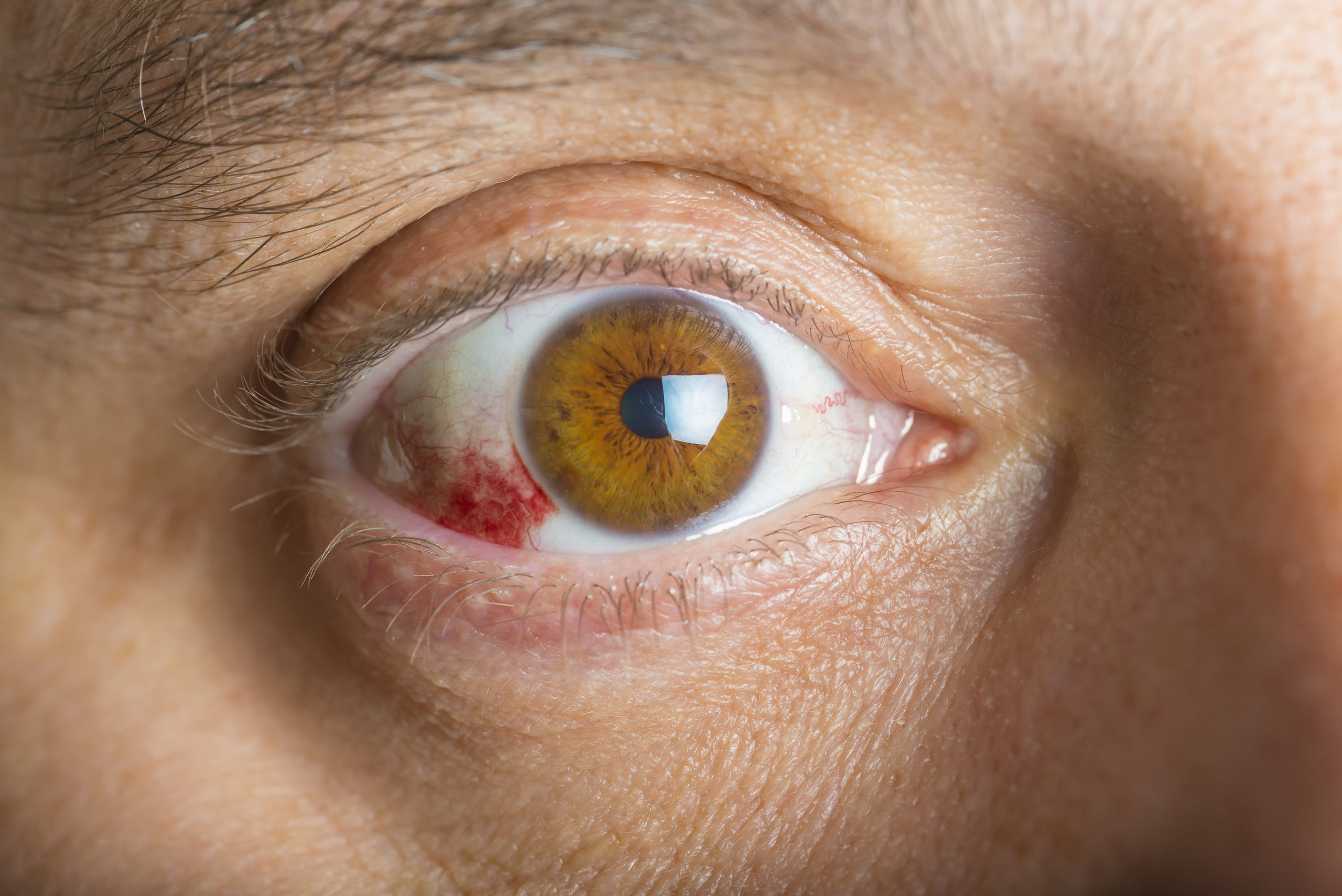
This occurs when a small blood vessel in the eye ruptures or leaks, which can happen after eye trauma or vigorous coughing.
Although it can look alarming, it’s usually painless. The eye may feel scratchy or full. Subconjunctival hemorrhages generally resolve without treatment, but see your doctor after an eye injury.
 Treating red eyes in the morning
When red eyes signal an emergency, treatment must be managed by a healthcare professional.
For nonurgent causes of morning eye redness, several home measures can provide relief, including:
- resting with eyes closed and using cold compresses
- applying warm compresses if an infection is suspected
- taking antihistamines for allergy-related redness and reducing exposure to triggers
- using lubricating eye drops such as artificial tears
Preventing red eyes in the morning
To reduce the chance of waking up with red eyes, consider:
- limiting contact lens wear during the day and never sleeping in contacts
- cutting down screen time in the evening
- avoiding secondhand smoke and other airborne irritants
- washing bedding regularly
- keeping your bedroom free of allergens like dust, dust mites, and pet dander
If you also notice visual changes after sleep, see our article on blurry vision in the morning for more information.
Takeaway
Waking with red eyes is common and can be caused by lifestyle factors, benign conditions, or more serious health problems.
Many causes are manageable at home, but some conditions that present with morning redness require professional medical evaluation and treatment.

















Leave a Reply
You must be logged in to post a comment.